
South Mills
Camden
Civil War North Carolina
American Civil War
April 19, 1862
|
Kindle Available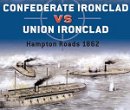 Confederate Ironclad vs Union Ironclad: Hampton Roads 1862 The Ironclad was a revolutionary weapon of war. Although iron was used for protection in the Far East during the 16th century, it was the 19th century and the American Civil War that heralded the first modern armored self-propelled warships. |
 Civil War Soldier 102 Piece Playset
| North Carolina State Battle Map State Battle Maps American Civil War Exhibits Civil War Timeline Women in the War Civil War Picture Album Civil War Maps Confederate President Jefferson Davis Civil War Submarines Kids Zone Gettysburg General Stonewall Jackson |
 Civil War Musket Wood & Steel Frontier Rifle Designed After The Original Rifle  Confederate Army Civil War Collectibles |
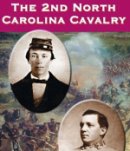 The 2nd North Carolina Cavalry The Second North Carolina Cavalry involvement with the Army of Northern Virginia and the North Carolina Cavalry Brigade, and includes official documents, letters written to and from home, diaries and memoirs to present the soldiers' war experiences |
Kindle Available The Heart of Confederate Appalachia: Western North Carolina in the Civil War Differing ideologies turned into opposing loyalties, and the resulting strife proved as traumatic as anything imposed by outside armies. As the mountains became hiding places for deserters, draft dodgers, fugitive slaves, and escaped prisoners of war, the conflict became a more localized and internalized guerrilla war |
 Two Great Rebel Armies: An Essay in Confederate Military History The Army of Northern Virginia was able to compile a large number of impressive victories during the war. The Army of Tennessee was only able to win at Chickamauga, and even that victory proved barren strategically. |
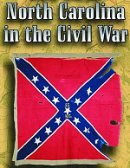 55th North Carolina in the Civil War: A History And Roster The 55th Regiment North Carolina Troops was composed primarily of farmers and tradesmen, the regiment also presented a microcosm of the Tar Heel State with a regionally diverse membership from more than 20 counties |
 The 4th North Carolina Cavalry in the Civil War: A History and Roster With the Civil War was entering its second year North Carolina was rallying to supply more troops. The Partisan Ranger Act prompted local leaders to recruit companies of irregular soldiers for service in the Confederate Army. Seven such companies were banded together into a regiment to form the 4th North Carolina Cavalry. |
Kindle Available Six Years of Hell Harpers Ferry During the Civil War While Harpers Ferry was an important location during the Civil War, in most Civil War books it's a sideshow of something larger. John Brown's raid, Lee's invasions of 1862 & 1863 as well as Early's 1864 raid are all covered in depth |
 Lee's Tar Heels: The Pettigrew-Kirkland-MacRae Brigade The most successful of North Carolina's units during the Civil War. The brigade played a central role in Pickett's Charge at Gettysburg and also fought with distinction during the Petersburg campaign and in later battles including the Wilderness, Spotsylvania, and Cold Harbor |
Kindle Available Chancellorsville The Battle and Its Aftermath Chancellorsville was a remarkable victory for Robert E. Lee's troops, a fact that had enormous psychological importance for both sides, which had met recently at Fredericksburg and would meet again at Gettysburg in just two months. But the achievement, while stunning, came at an enormous cost: more than 13,000 Confederates became casualties, including Stonewall Jackson |
|
Kindle Available Confederate Ironclad vs Union Ironclad: Hampton Roads 1862 The Ironclad was a revolutionary weapon of war. Although iron was used for protection in the Far East during the 16th century, it was the 19th century and the American Civil War that heralded the first modern armored self-propelled warships. Release date Nov. 2008 |
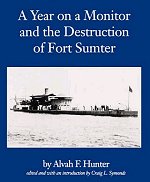 Year on a Monitor and the Destruction of Fort Sumter Personal view of the Civil War Navy. The monitor saw action in several significant naval assaults by the Union's Squadron. It took part in the failed Federal attack on Sumter in April 1863. The "Nahant" also participated in the capture of the Confederate Ram "Atlanta," and in the assault on Fort Wagner |
 Blockaders, Refugees, and Contrabands: Civil War on Florida'S Gulf Coast, 1861-1865 Coastal Florida had a refugee crisis as the war progressed. Escaped slaves ("contrabands") sought out the blockaders. Some joined the U.S. Navy. White men and their families sought to avoid conscription or vengeful neighbors/regulators and eventually sought refuge with the blockaders |
 War, Technology, and Experience aboard the USS Monitor The experience of the men aboard the Monitor and their reactions to the thrills and dangers that accompanied the new machine. The invention surrounded men with iron and threatened their heroism, their self-image as warriors, even their lives |
 Life in Mr. Lincoln's Navy A tantalizing glimpse into the hardships endured by the naval leadership to build and recruit a fighting force. The seaman endured periods of boredom, punctuated by happy social times and terrifying bouts of battle horror |
Kindle Available Glory in the Name: A Novel of the Confederate Navy From Norfolk to Hampton Roads, from Roanoke Island to the nighttime battle on the river below New Orleans, Glory in the Name tells the story of the Confederate States Navy, and the brave men who carried forward against overwhelming odds |
 Ironclad Down: USS Merrimack-CSS Virginia from Design to Destruction A treasure trove of detailed information about one of history s most famous vessels. Describing Stephen Russell Mallory, John Mercer Brooke, John Luke Porter, et al.--who conceived, designed and built one of the world's first ironclads |
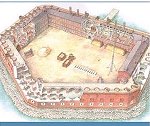 American Civil War Fortifications Coastal Brick and Stone Forts The design, construction and operational history of fortifications, such as Fort Sumter, Fort Morgan and Fort Pulaski. Stone and brick forts stretched from New England to the Florida Keys, and as far as the Mississippi River. A handful of key sites remained in Union hands throughout the war, the remainder had to be won back through bombardment or assault. |
 Bad Blood: The Border War That Triggered the Civil War In the years leading up to the Civil War, a bloody conflict between slaveholders and abolitionists focused the nation's eyes on the state of Missouri and the territory of Kansas. Told through the actual words of slave owners, free-staters, border ruffians, and politicians, Bad Blood presents the complex morality, differing values, and life-and-death decisions faced by those who lived on the Missouri-Kansas border |
 Blue Vs. Gray - Killing Fields Relive the most vicious fighting of the Civil War, in which General Ulysses S. Grant forcibly reversed the tide of the conflict by paying with the blood of thousands. It was a desperate time for the Union |
 Civil War Combat: America's Bloodiest Battles The violent mayhem of the hornet's nest at Shiloh, the valiant charge on the sunken road at Antietam, the carnage in the wheat field at Gettysburg, and the brutal fighting at Cold Harbor |
 Jefferson Davis An American President One of the most outstanding statesmen of the United States during the first 60 years of the 19th century, he sacrificed everything to defend the South's position regarding the rights of the states and conservative constitutional interpretation. Against staggering odds he led the South and held it together in the bloody Civil War or War Between the States |
|||||||||||||||||||||||||||||||||||||||||||||||||||||||||||||||||||||||||||||||||||||||||||||||||||||||||||||||||||||||||||||||||||||||||||||||||||||||||||||||||||||||||||||||||||||||||||||||||||||||||||||||||||||||||||||||||||||||||||||||||||||||||||||||||||||||||||||||||||||||||||||||||||||||||||||||||||||||||||||||||||||||||||||||||||||||||||||||||||||||||||||||||||||||||||||||||||||||||||||||||||||||||||||||||||||||||||||||||||||||||||||||||||||||||||||||||||||||||||||||||||||||||||||||||||||||||||||||||||||||||||||||||||||||||||||||||||||||||||||||||||||||||||||||||||||||||||||||||||||||||||||||||||||||||||||||||||||||||||||||||||||||||||||||||||||||||||||||||||||||||||||||||||||||||||||||||||||||||||||||||||||||||||||||||||||||||||||||||||||||||||||||||||||||||||||||||||||||||||||||||||||||||||||||||||||||||||||||||||||||||||||||||||||||||||||||||||||||||||||||||||||||||||||||||||||||||||||||||||||||||||||||||||||||||||||||||||||||||||||||||||||||||||||||||||||||||||||||||||
 The Blue and the Gray The Complete Miniseries The Civil War proved a backdrop for this 1982 miniseries. Complete and uncut three disc set. Two families divided by the War Between the States. A Southerner caught when he becomes a war correspondent for the Northern newspaper. He finds himself where history's in the making from the Battle of Bull Run to Abraham Lincoln's assassination |
 Battle of Stones River The Fight for Murfreesboro At dawn on December 31, 1862 the two armies clashed in a deadly struggle along the banks of Stones River. |
 The Battle of Chickamauga Special Widescreen Edition Chickamauga one of the fiercest engagements of the American Civil War. Over a period of two days, more than 100,000 men struggled for control of the south's transportation hub, Chattanooga. |
 Struggle For Vicksburg Photography of the park with authentic battlefield illustrations and life-like paintings. Vicksburg's wartime role in the bloody and brutal conflict. |
|||||||||||||||||||||||||||||||||||||||||||||||||||||||||||||||||||||||||||||||||||||||||||||||||||||||||||||||||||||||||||||||||||||||||||||||||||||||||||||||||||||||||||||||||||||||||||||||||||||||||||||||||||||||||||||||||||||||||||||||||||||||||||||||||||||||||||||||||||||||||||||||||||||||||||||||||||||||||||||||||||||||||||||||||||||||||||||||||||||||||||||||||||||||||||||||||||||||||||||||||||||||||||||||||||||||||||||||||||||||||||||||||||||||||||||||||||||||||||||||||||||||||||||||||||||||||||||||||||||||||||||||||||||||||||||||||||||||||||||||||||||||||||||||||||||||||||||||||||||||||||||||||||||||||||||||||||||||||||||||||||||||||||||||||||||||||||||||||||||||||||||||||||||||||||||||||||||||||||||||||||||||||||||||||||||||||||||||||||||||||||||||||||||||||||||||||||||||||||||||||||||||||||||||||||||||||||||||||||||||||||||||||||||||||||||||||||||||||||||||||||||||||||||||||||||||||||||||||||||||||||||||||||||||||||||||||||||||||||||||||||||||||||||||||||||||||||||||||||
U.S. National Park Service
U.S. Library of Congress.
|
Books Civil War Womens Subjects Young Readers Military History DVDs Confederate Store Civil War Games Music CDs Reenactors |
