Kindle Available The Politically Incorrect Guide to the Civil War As a graduate history instructor, I found this book to be a refreshing view of history. It's nice to read some critical reasoning that goes against the popular biases by presenting facts that are conveniently over-looked by many others. I highly recommend this book to high school seniors and college undergraduates as an excellent basis to their understanding of the war. |
American Civil War
|
|
|
|
Western Theater - click to enlarge map 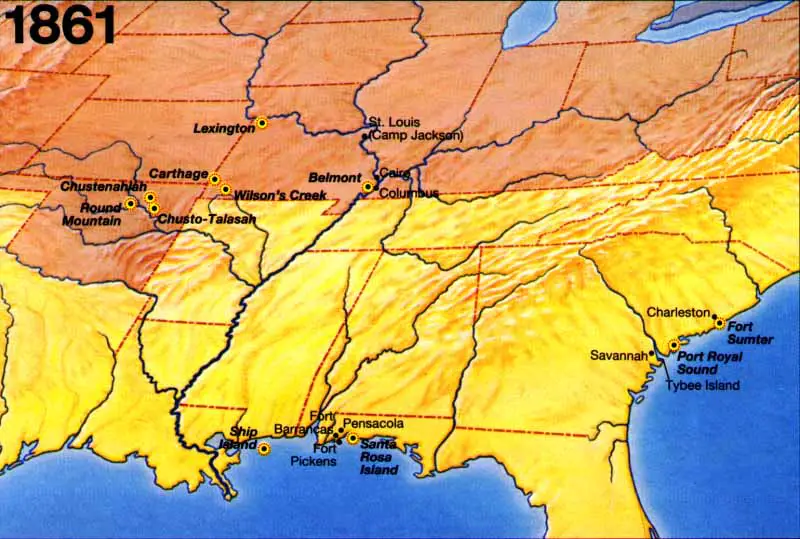 |
Easter Theater - click to enlarge map 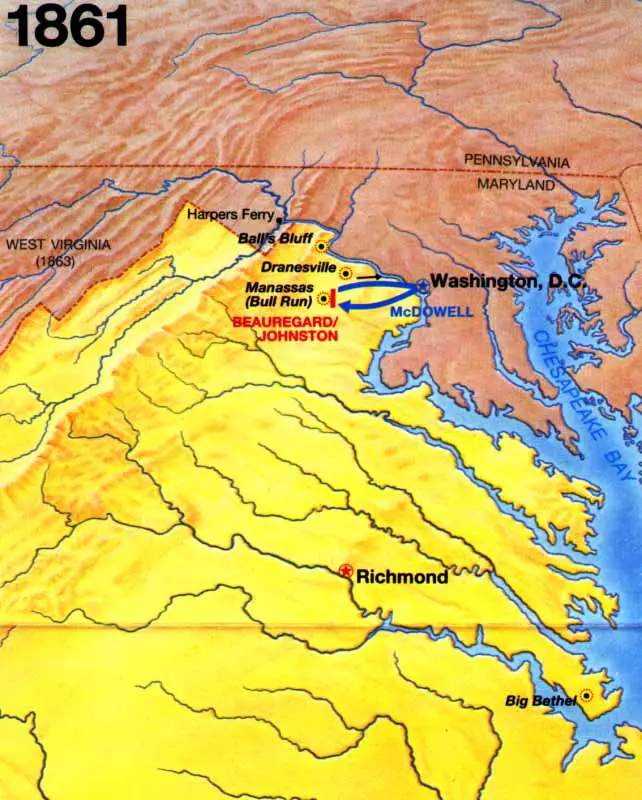 |
|
 Battle at Bull Run: A History of the First Major Campaign of the Civil War The battle, was unique in the Civil War in that no general on either side had ever exercised high command in combat  Civil War: A Concise History The best collection of Civil War visuals ever assembled in one 75-minute program. A breathtaking and first-hand account of the war. Great DVD Bonuses  History Channel Presents The Civil War From Harper's Ferry, Fort Sumter, and First Bull Run to Shiloh, Antietam, and Gettysburg. The most legendary Civil War battles in brilliant detail. A selection of the soldiers and legendary leaders  The Civil War - A Film by Ken Burns The saga of celebrated generals and ordinary soldiers, a heroic and transcendent president and a country that had to divide itself in two in order to become one Kindle Available  The Illustrated Battle Cry of Freedom The Civil War Era Published in 1988 to universal acclaim, this single-volume treatment of the Civil War quickly became recognized as the new standard in its field. James M. McPherson, who won the Pulitzer Prize for this book, impressively combines a brisk writing style with an admirable thoroughness.  Lee's Cavalrymen: A History of the Mounted Forces of the Army of Northern Virginia, 1861-1865 The cavalry of the Army of Northern Virginia its leadership, the military life of its officers and men as revealed in their diaries and letters, the development of its tactics as the war evolved Kindle Available  Six Years of Hell Harpers Ferry During the Civil War While Harpers Ferry was an important location during the Civil War, in most Civil War books it's a sideshow of something larger. John Brown's raid, Lee's invasions of 1862 & 1863 as well as Early's 1864 raid are all covered in depth 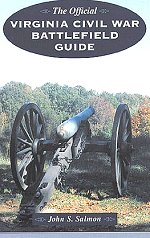 The Official Virginia Civil War Battlefield Guide Virginia was host to nearly 1/3rd of all Civil War engagements. This guide covers them all like a mini-history of the war. This guide organizes battles chronologically. Each campaign has a detailed overview, followed by concise descriptions of the individual engagements |
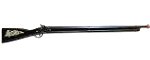 Civil War Musket Wood & Steel Frontier Rifle Designed After The Original Rifle, This Civil War Musket replica has been designed after the original rifle of its era. Measures approximately 37 inches long. Each is constructed with a solid one-piece wood stock, painted steel barrel and die-cast parts. |
1862 Timeline Civil War Timeline American Civil War Exhibits Civil War Documents Women in the War Civil War Summary Kids Zone Causes of the War Civil War Submarines Confederate Johnny Cakes Recipe |
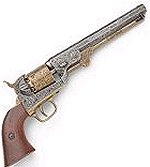 Civil War Model 1851 Naval Pistol Engraved Silver Tone / Gold Tone Finish and Wooden Grips - Replica of Revolver Used by Both USA / Union and CSA / Confederate Forces |
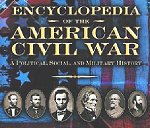 Encyclopedia of the American Civil War: A Political, Social, and Military History Definitive Reference Work, this volume, rich with over 500 illustrations, 75 maps, and 250 primary source documents, offers more than 1,600 entries that chart the war's strategic aims, analyze diplomatic and political maneuvering, describe key military actions, sketch important participants, assess developments in military science, and discuss the social and financial impact of the conflict. |
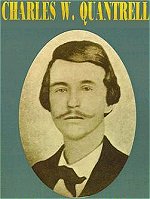 Charles W. Quantrell A True History Of His Guerilla Warfare On The Missouri And Kansas Border During The Civil War Of 1861-1865 This book was written just as Captain Harrison Trow told it to John P. Burch, giving accounts of fights that he participated in, narrow escapes experienced, dilemmas it seemed almost impossible to get out of, and also other battles |
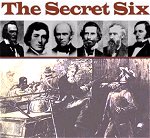 Secret Six: The True Tale of the Men Who Conspired with John Brown The story of how Brown was covertly aided by a circle of prosperous and privileged Northeasterners who supplied him with money and weapons, and, before the raid, even hid him in their homes while authorities sought Brown on a murder charge. These men called themselves the Secret Six. |
 The Shipwreck of Their Hopes The Battles for Chattanooga All the information you need to understand the flow of the battle at Chattanooga as well as the political intriguing that helped to shape the results is here |
Kindle Available Shiloh and the Western Campaign of 1862 The Battle of Shiloh was one of the most critical battles in American History. Some of the biggest figures of the Civil War - Grant, Sherman, Johnston, Bragg, Beauregard, Buell - they all fought there. As Grant would write in his memoirs, before Shiloh, Americans on both sides of the Mason Dixon line believed that the war could still be a short limited affair. |
Kindle Available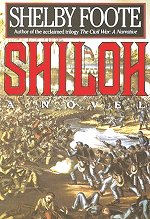 Shiloh: A Novel by Shelby Foote One of the best novels of the American Civil War. Foote is able to capture not only the sense of the battle, but the spirit of the soldiers who fought there. A study of the human condition and how it deals with the horrors of war |
Kindle Available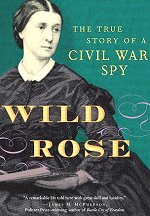 Rose O'Neale Greenhow, Civil War Spy Fearless spy for the Confederacy, glittering Washington hostess, legendary beauty and lover, Rose Greenhow risked everything for the cause she valued more than life itself |
Kindle Available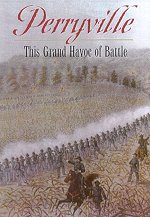 Perryville: This Grand Havoc of Battle On October 8, 1862, Union and Confederate forces clashed near Perryville, Kentucky, in what would be the largest battle ever fought on Kentucky soil. |
|
Books Civil War Womens Subjects Young Readers Military History DVDs Confederate Store Civil War Games Music CDs Reenactors |