 Lee's Last Retreat: The Flight to Appomattox Lee's troops were more numerous and far less faithful to their cause than has been suggested. Lee himself made mistakes in this campaign, and defeat wrung from him an unusual display of faultfinding |
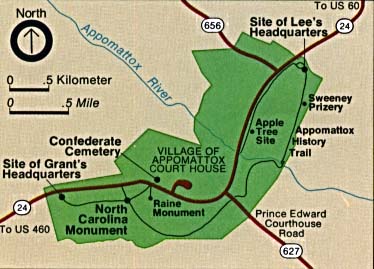
Appomattox Court House
|
|
|
|
|
 Unconditional Surrender U. S. Grant and the Civil War This is the best juvenile biography on Ulysses S. Grant by a wide margin. Marrin has done an excellent job in introducing Grant to a young audience. I highly recommend it.  Civil War Musket Wood & Steel Frontier Rifle Designed After The Original Rifle |
|
March - April 1865 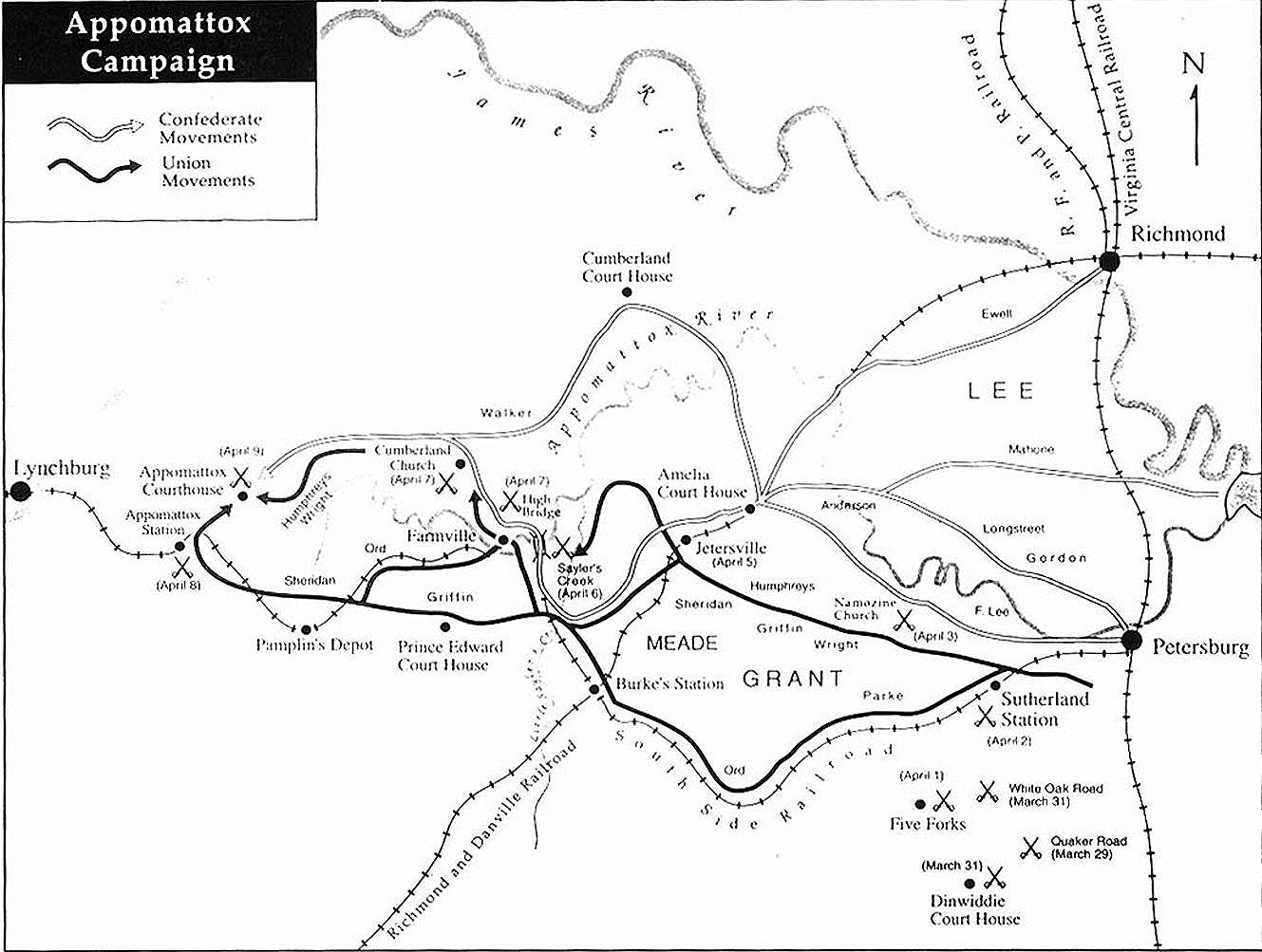 |
||
April 9, 1865 |
Kindle Available The Civil War Introduces young readers to the harrowing true story of the American Civil War and its immediate aftermath. A surprisingly detailed battle-by-battle account of America's deadliest conflict ensues, culminating in the restoration of the Union followed by the tragic assassination of President Lincoln |
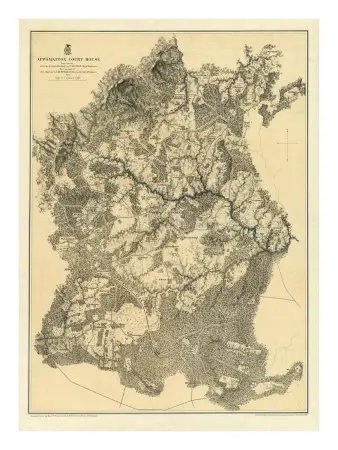 Civil War Map: Appomattox Court House, c.1869 36 in. x 48 in. $169.99 Buy at AllPosters.com Framed |
|
 Lee The Last Years After his surrender at Appomattox, Robert E. Lee lived only another five years - the forgotten chapter of an extraordinary life. These were his finest hours, when he did more than any other American to heal the wounds between North and South 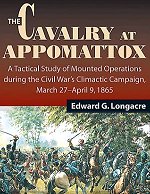 The Cavalry at Appomattox A Tactical Study of Mounted Operations During the Civil War's Climactic Campaign, March 27-April 9, 1865 |
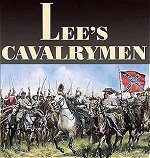 Lee's Cavalrymen: A History of the Mounted Forces of the Army of Northern Virginia, 1861-1865 The cavalry of the Army of Northern Virginia its leadership, the military life of its officers and men as revealed in their diaries and letters, the development of its tactics as the war evolved, and the influence of government policies on its operational abilities. All the major players and battles are involved |
|
 Civil War Soldier 102 Piece Playset
|
More on Appomattox Court House Virginia State Battle Map 1865 State Battle Maps Civil War Submarines Civil War Picture Album President Abraham Lincoln Confederate Commanders Union Generals Battle of Gettysburg American Civil War Exhibits Civil War Summary Documents of the Civil War |
Civil War Musket Wood & Steel Frontier Rifle Designed After The Original Rifle  Sid Meier's Civil War Collection Take command of either Confederate or Union troops and command them to attack |
Kindle Available The Passing of Armies: An Account Of The Final Campaign Of The Army Of The Potomac The beginning of the final campaign of the Army of the Potomac against Confederate General Robert E. Lee and the Army of Northern Virginia. It was the spring of 1864 and General Grant had Lee and his army backing up toward what finally became the siege of Petersburg, Virginia. |
Kindle Available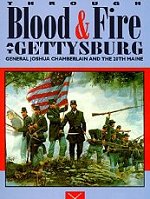 Through Blood and Fire at Gettysburg: General Joshua L. Chamberlain and the 20th Maine This book is based on the actual report written by Joshua Chamberlain after Gettysburg. It is full of photos and maps which helps to clarify positions and movements on the battlefield. Chamberlain's account are full of excellent insight and illustrations. |
Kindle Available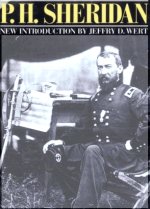 Personal Memoirs of P.H. Sheridan, General United States Army Philip H. Sheridan earned the enmity of many Virginians for laying waste to the Shenandoah Valley. His date and place of birth is uncertain, but he himself claimed to have been born in New York in 1831 |
Kindle Available April 1865 The Month That Saved America There was nothing inevitable about the end of the Civil War, from the fall of Richmond to the surrender at Appomattox to the murder of Lincoln. It all happened so quickly, in what was the most moving and decisive month not simply of the Civil War, but indeed, quite likely, in the life of the United States |
Kindle Available Grant Wins the War Decision at Vicksburg A brilliantly constructed new account,A penetrating analysis of Grant's strategies and actions leading to the Union victory at Vicksburg. Approaching these epic events from a unique and well-rounded perspective, and based on careful research |
 Ulysses S. Grant Memoirs and Selected Letters Grant wrote his "Personal Memoirs" to secure his family's future. In doing so, the Civil War's greatest general won himself a unique place in American letters. His character, sense of purpose, and simple compassion are evident throughout this deeply moving account, as well as in the letters to his wife, Julia |
Kindle Available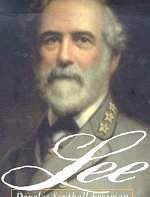 Robert E. Lee This book not only offers concise detail but also gives terrific insight into the state of the Union and Confederacy during Lee's life. Lee was truly a one of kind gentleman and American, and had Virginia not been in the south or neutral, he ultimately would have led the Union forces. |
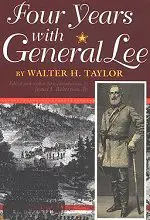 Four Years With General Lee Walter Taylor was staff officer to General Robert E. Lee. His book first appeared in 1877. For many years a standard authority on Confederate history, it is the source for dozens of incidents that have now become a part of every biography of Lee. |
 The Last Confederate The Story of Robert Adams Great historically correct movie of a noble confederate and his undying love of a Yankee girl. |
 Civil War Terror Tales of hidden conspiracies of terror that specifically targeted the civilian populations. Engineers of chemical weapons, new-fangled explosives and biological warfare competed |
 The Civil War: To the Finish: Sherman and the March to the Sea After 3 years of battles, a Union general captured Atlanta and decided to change the course of the war for good. That general was William Tecumseh Sherman |
 The Last Days of the Civil War - Biography: Abraham Lincoln & Robert E. Lee, Civil War Journal: Jefferson Davis In-depth profiles that series--illuminate the personalities at the heart of the conflict: Abraham Lincoln, Jefferson Davis, and Robert E. Lee |
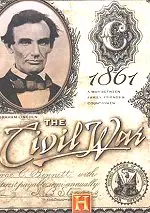 History Channel Presents The Civil War From Harper's Ferry, Fort Sumter, and First Bull Run to Shiloh, Antietam, and Gettysburg. The most legendary Civil War battles in brilliant detail. A selection of the soldiers and legendary leaders. |
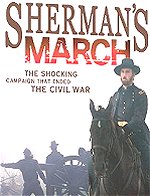 History Channel Presents Sherman's March In November 1864, Sherman and an army of 60,000 troops began their month-long march from Atlanta to Savannah. Burning crops, destroying bridges and railroads, and laying waste to virtually everything in his path |
 History's Mysteries - Human Bondage The story of Africans forcibly enslaved and shipped to America is a well-known tale; yet, it is just one tragic episode in the saga of world slavery. For nearly 6,000 years of recorded history, conquerors have imprisoned their enemies and forced them to act as laborers |
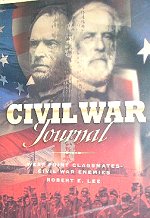 Civil War Journal, West Point Classmates - Civil War Enemies, Robert E. Lee Beyond the pages of history and into the personal stories behind the Great Conflict |
|
Books Civil War Womens Subjects Young Readers Military History DVDs Confederate Store Civil War Games Music CDs Reenactors |