 Custer Victorious: The Civil War Battles of General George Armstrong Custer Custer was promoted to major general and the helm of the Third Cavalry Division when he was only twenty-four. Urwin describes the Boy General's vital contributions to Union victories from Gettysburg to Appomattox. |
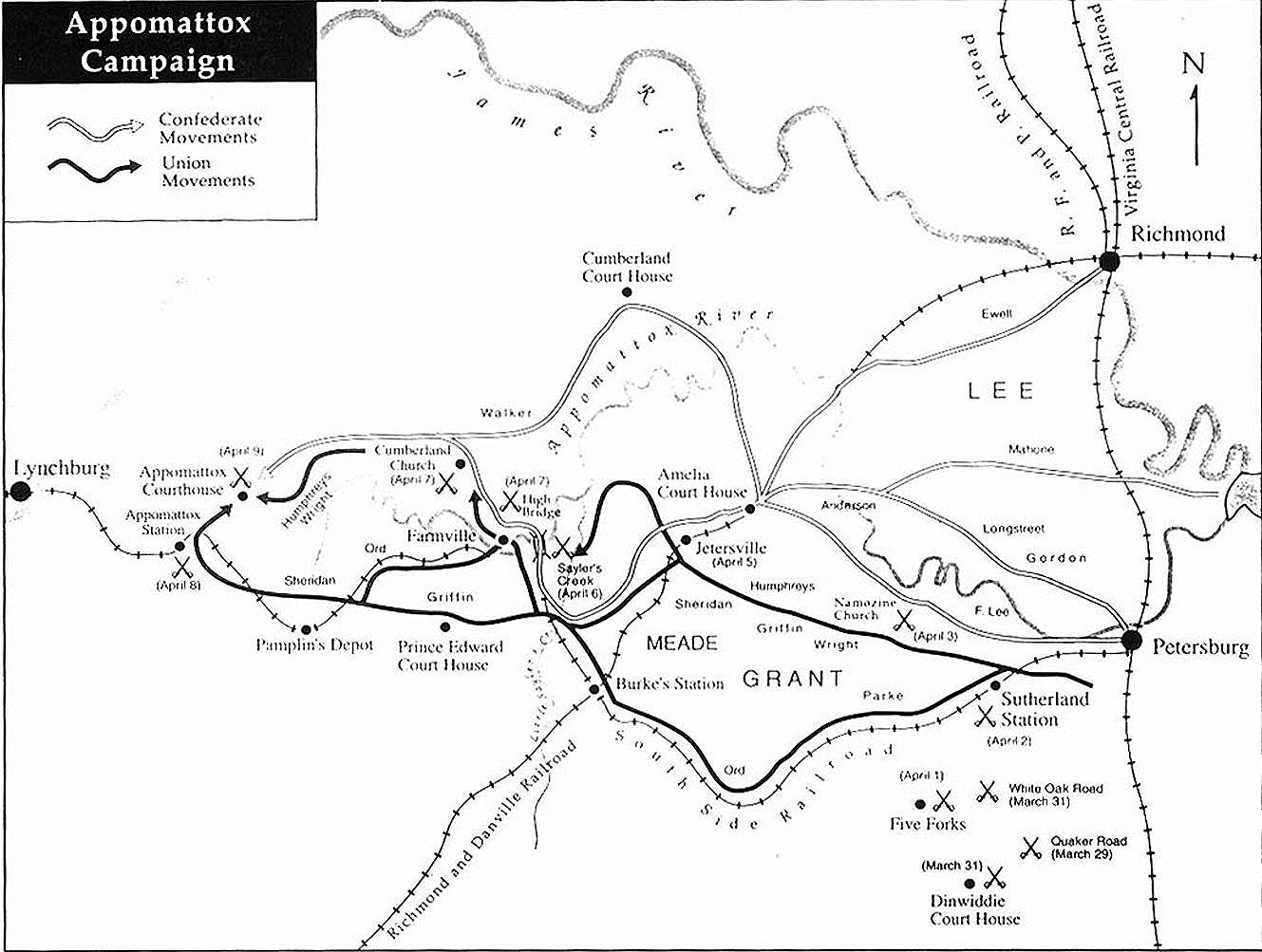
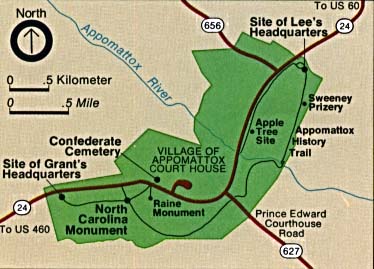
Appomattox Station
|
|
|
|
|
Kindle Available The Passing of Armies: An Account Of The Final Campaign Of The Army Of The Potomac The beginning of the final campaign of the Army of the Potomac against Confederate General Robert E. Lee and the Army of Northern Virginia. It was the spring of 1864 and General Grant had Lee and his army backing up toward what finally became the siege of Petersburg, Virginia. |
|
 Grant's Secret Service: The Intelligence War from Belmont to Appomattox The first scholarly examination of the use of military intelligence under Ulysses S. Grant's command during the Civil War. Feis makes the new and provocative argument that Grant's use of the Army of the Potomac's Bureau of Military Information played a significant role in Lee's defeat |
Kindle Available Standard Catalog of Civil War Firearms Over 700 photographs and a rarity scale for each gun, this comprehensive guide to the thousands of weapons used by Billy Yank and Johnny Reb will be indispensable for historians and collectors. |
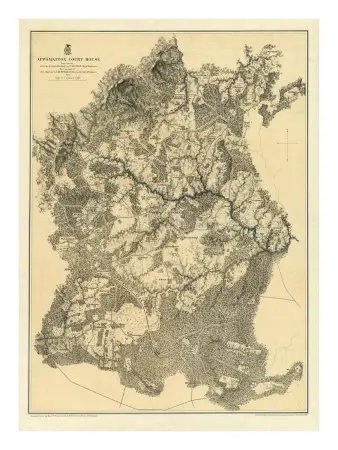 Civil War Map: Appomattox Court House, c.1869 Giclee Print 36 in. x 48 in. $169.99 Buy at AllPosters.com Framed |
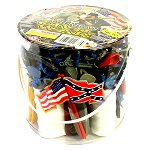 Civil War Soldier 102 Piece Playset
|
Virginia State Battle Map 1865 State Battle Maps Civil War Submarines Appomattox Courthouse Civil War Picture Album President Abraham Lincoln Confederate Commanders Union Generals Battle of Gettysburg American Civil War Exhibits Civil War Summary Documents of the Civil War |
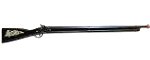 Civil War Musket Wood & Steel Frontier Rifle Designed After The Original Rifle 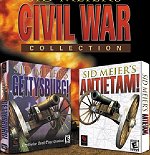 Sid Meier's Civil War Collection Take command of either Confederate or Union troops and command them to attack |
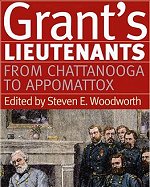 Grant's Lieutenants From Chattanooga to Appomattox This new volume assesses Union generalship during the final two years of the Civil War. Steven Woodworth, one of the war's premier historians, is joined by a team of scholars-- Grimsley, Marszalek, and Hess, among others--who critique Ulysses S. Grant's commanders |
 Unconditional Surrender: U. S. Grant and the Civil War This is the best juvenile biography on Ulysses S. Grant by a wide margin. Marrin has done an excellent job in introducing Grant to a young audience. I highly recommend it. |
Kindle Available Staff Officers in Gray: A Biographical Register of the Staff Officers in the Army of Northern Virginia Profiles some 2,300 staff officers in Robert E. Lee's famous Army of Northern Virginia. A typical entry includes the officer's full name, the date and place of his birth and death, details of his education and occupation, and a synopsis of his military record. Two appendixes provide a list of more than 3,000 staff officers who served in other armies of the Confederacy and complete rosters of known staff officers of each general |
Kindle Available The Class of 1846: From West Point to Appomattox: Stonewall Jackson, George McClellan, and Their Brothers No single group of men at West Point has been so indelibly written into history as the class of 1846. The names are legendary: Thomas "Stonewall" Jackson, George B. McClellan, Ambrose Powell Hill, Darius Nash Couch, George Edward Pickett, Cadmus Marcellus Wilcox, and George Stoneman |
Kindle Available Grant Wins the War Decision at Vicksburg A brilliantly constructed new account,A penetrating analysis of Grant's strategies and actions leading to the Union victory at Vicksburg. Approaching these epic events from a unique and well-rounded perspective, and based on careful research |
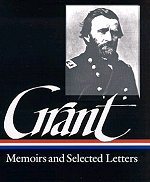 Ulysses S. Grant Memoirs and Selected Letters Grant wrote his "Personal Memoirs" to secure his family's future. In doing so, the Civil War's greatest general won himself a unique place in American letters. His character, sense of purpose, and simple compassion are evident throughout this deeply moving account, as well as in the letters to his wife, Julia |
Kindle Available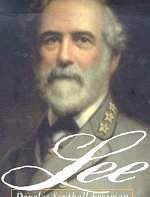 Robert E. Lee This book not only offers concise detail but also gives terrific insight into the state of the Union and Confederacy during Lee's life. Lee was truly a one of kind gentleman and American, and had Virginia not been in the south or neutral, he ultimately would have led the Union forces. |
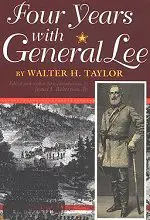 Four Years With General Lee Walter Taylor was staff officer to General Robert E. Lee. His book first appeared in 1877. For many years a standard authority on Confederate history, it is the source for dozens of incidents that have now become a part of every biography of Lee. |
Kindle Available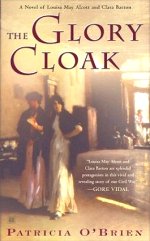 The Glory Cloak: A Novel of Louisa May Alcott and Clara Barton From childhood, Susan Gray and her cousin Louisa May Alcott have shared a safe, insular world of outdoor adventures and grand amateur theater -- a world that begins to evaporate with the outbreak of the Civil War. Frustrated with sewing uniforms and wrapping bandages, the two women journey to Washington, D.C.'s Union Hospital to volunteer as nurses. |
Kindle Available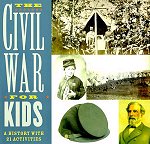 The Civil War for Kids History explodes in this activity guide spanning the turmoil preceding secession, the first shots fired at Fort Sumter, the fierce battles on land and sea, and finally the Confederate surrender at Appomattox. Making butternut dye for a Rebel uniform, learning drills and signals with flags, decoding wigwag, baking hardtack, reenacting battles, and making a medicine kit bring this pivotal period in our nation's history to life. |
Kindle Available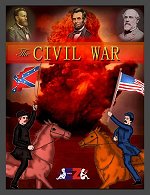 The Civil War Introduces young readers to the harrowing true story of the American Civil War and its immediate aftermath. A surprisingly detailed battle-by-battle account of America's deadliest conflict ensues, culminating in the restoration of the Union followed by the tragic assassination of President Lincoln |
Kindle Available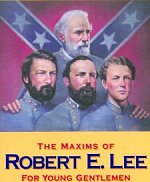 The Maxims Of Robert E. Lee For Young Gentlemen: Advice, Admonitions, and Anecdotes on Christian Duty and Wisdom from the Life of General Lee All his life, Robert E. Lee relied upon his faith for strength and guidance not only in troubled times, but also as the foundation upon which he based all of his dealings with others. |
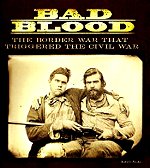 Bad Blood: The Border War That Triggered the Civil War In the years leading up to the Civil War, a bloody conflict between slaveholders and abolitionists focused the nation's eyes on the state of Missouri and the territory of Kansas. Told through the actual words of slave owners, free-staters, border ruffians, and politicians, Bad Blood presents the complex morality, differing values, and life-and-death decisions faced by those who lived on the Missouri-Kansas border |
 Blue Vs. Gray - Killing Fields Relive the most vicious fighting of the Civil War, in which General Ulysses S. Grant forcibly reversed the tide of the conflict by paying with the blood of thousands. It was a desperate time for the Union |
 Civil War Combat: America's Bloodiest Battles The violent mayhem of the hornet's nest at Shiloh, the valiant charge on the sunken road at Antietam, the carnage in the wheat field at Gettysburg, and the brutal fighting at Cold Harbor |
 Jefferson Davis An American President One of the most outstanding statesmen of the United States during the first 60 years of the 19th century, he sacrificed everything to defend the South's position regarding the rights of the states and conservative constitutional interpretation. Against staggering odds he led the South and held it together in the bloody Civil War or War Between the States |
 The Blue and the Gray The Complete Miniseries The Civil War proved a backdrop for this 1982 miniseries. Complete and uncut three disc set. Two families divided by the War Between the States. A Southerner caught when he becomes a war correspondent for the Northern newspaper. He finds himself where history's in the making from the Battle of Bull Run to Abraham Lincoln's assassination |
 Civil War Terror Tales of hidden conspiracies of terror that specifically targeted the civilian populations. Engineers of chemical weapons, new-fangled explosives and biological warfare competed |
 The Civil War - A Film by Ken Burns Here is the saga of celebrated generals and ordinary soldiers, a heroic and transcendent president and a country that had to divide itself in two in order to become one |
 The Civil War in Virginia Virginia was the arena where North and South fought many of their bloodiest battles. the program gives a full account of the events that took place describing in detail the history of the American Civil War in Virginia |
|
Battle of Shiloh Civil War Map First Manassas Civil War Pictures Civil War Cooking Gettysburg Civil War Ships |