|
|
|
|
 Sherman's Mississippi Campaign Sherman set out from Vicksburg on February 3, 1864, with an army of some 25,000 infantry and a battalion of cavalry. An opportunity to observe how this large-scale raid presaged Shermans Atlanta and Carolina campaigns, revealing the transformation of Shermans strategic thinking |
Kindle Available Standard Catalog of Civil War Firearms Over 700 photographs and a rarity scale for each gun, this comprehensive guide to the thousands of weapons used by Billy Yank and Johnny Reb will be indispensable for historians and collectors. |
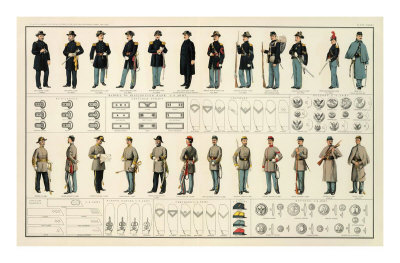 Civil War: Uniforms, US and Confederate Armies, c.1895 Giclee Print 48 in. x 31.5 in. $169.99 Buy at AllPosters.com Framed |
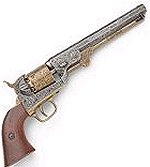 Civil War Model 1851 Naval Pistol  Civil War Musket Wood & Steel Frontier Rifle Designed After The Original Rifle |
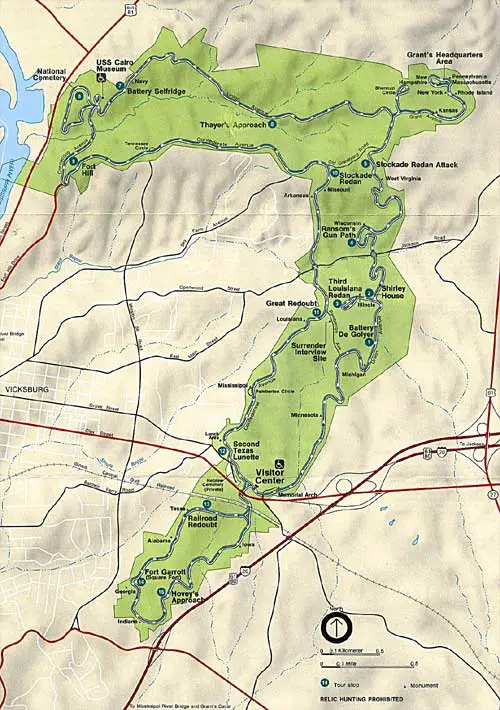
Vicksburg Mississippi Campaign Vicksburg Battle Map Mississippi State Battle Map State Battle Maps American Civil War Exhibits Civil War Timeline Women in the War Kids Zone Causes of the Civil War General Stonewall Jackson Civil War Submarine |
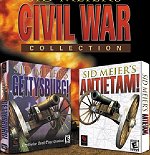 Sid Meier's Civil War Collection Take command of either Confederate or Union troops and command them to attack from the trees, rally around the general, or do any number of other realistic military actions. The AI reacts to your commands as if it was a real Civil War general, and offers infinite replayability. The random-scenario generator provides endless variations on the battles |
Kindle Available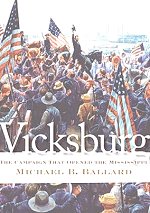 Vicksburg: The Campaign That Opened the Mississippi Confederate troops surrendered Vicksburg on July 4, 1863 a crucial port and rail depot for the South was lost |
Kindle Available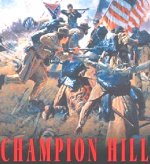 Champion Hill Decisive Battle for Vicksburg The Battle of Champion Hill was the decisive land engagement of the Vicksburg Campaign. The May 16, 1863, fighting took place just 20 miles east of the river city, where the advance of Gen. Ulysses S. Grant's Federal army attacked Gen. John C. Pemberton's hastily gathered Confederates |
 Vicksburg Expedition Guide Annimated movie that details Grants Mississippi campaign which concluded with the seige of Vicksburg. A great background on the importance of this site in the entire war, as well as battles leading up to the Vicksburgh seige. |
 The Darkest Days of the War The Battles of Iuka and Corinth The strategic implications of the battles of Iuka and Corinth, exploring their impact on the fate of the Northern Mississippi Campaign, the fall of Vicksburg and by extension, the fate of the Confederacy. |
Kindle Available The Free State of Jones Mississippi's Longest Civil War The southeastern Mississippi county that was home to a Unionist stronghold during the Civil War and home to a large and complex mixed-race community in the late nineteenth and twentieth centuries |
|
Kindle Available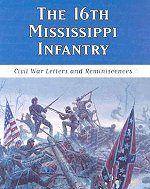 The 16th Mississippi Infantry Civil War Letters and Reminiscences Who better to tell an infrantry man's story then themselves. The hardships of Marches, Poor food and bitter fighting. |
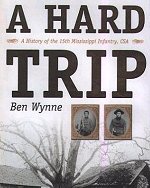 A Hard Trip A History of the 15th Mississippi Infantry The reality of the moment in 1860-61 Mississippi. The thoughts of the men who formed the 15th Mississippi are front and center with good background about the communities the men came from and the reasons they joined the army. |
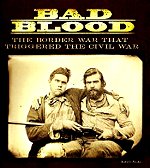 Bad Blood: The Border War That Triggered the Civil War In the years leading up to the Civil War, a bloody conflict between slaveholders and abolitionists focused the nation's eyes on the state of Missouri and the territory of Kansas. Told through the actual words of slave owners, free-staters, border ruffians, and politicians, Bad Blood presents the complex morality, differing values, and life-and-death decisions faced by those who lived on the Missouri-Kansas border |
 Blue Vs. Gray - Killing Fields Relive the most vicious fighting of the Civil War, in which General Ulysses S. Grant forcibly reversed the tide of the conflict by paying with the blood of thousands. It was a desperate time for the Union |
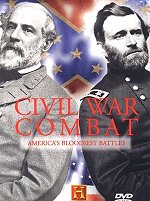 Civil War Combat: America's Bloodiest Battles The violent mayhem of the hornet's nest at Shiloh, the valiant charge on the sunken road at Antietam, the carnage in the wheat field at Gettysburg, and the brutal fighting at Cold Harbor |
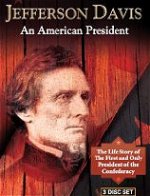 Jefferson Davis An American President One of the most outstanding statesmen of the United States during the first 60 years of the 19th century, he sacrificed everything to defend the South's position regarding the rights of the states and conservative constitutional interpretation. Against staggering odds he led the South and held it together in the bloody Civil War or War Between the States |
 The Blue and the Gray The Complete Miniseries The Civil War proved a backdrop for this 1982 miniseries. Complete and uncut three disc set. Two families divided by the War Between the States. A Southerner caught when he becomes a war correspondent for the Northern newspaper. He finds himself where history's in the making from the Battle of Bull Run to Abraham Lincoln's assassination |
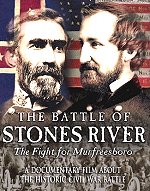 Battle of Stones River The Fight for Murfreesboro At dawn on December 31, 1862 the two armies clashed in a deadly struggle along the banks of Stones River. |
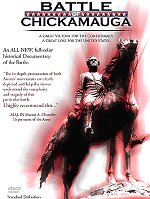 The Battle of Chickamauga Special Widescreen Edition Chickamauga one of the fiercest engagements of the American Civil War. Over a period of two days, more than 100,000 men struggled for control of the south's transportation hub, Chattanooga. |
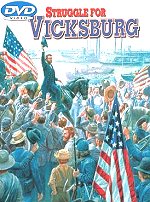 Struggle For Vicksburg Photography of the park with authentic battlefield illustrations and life-like paintings. Vicksburg's wartime role in the bloody and brutal conflict. |
|
Battle of Shiloh Civil War Map First Manassas Civil War Pictures Civil War Cooking Gettysburg Civil War Ships |