 Vicksburg Expedition Guide Annimated movie that details Grants Mississippi campaign which concluded with the seige of Vicksburg. A great background on the importance of this site in the entire war, as well as battles leading up to the Vicksburgh seige. |
American Civil War
|
|
|
|
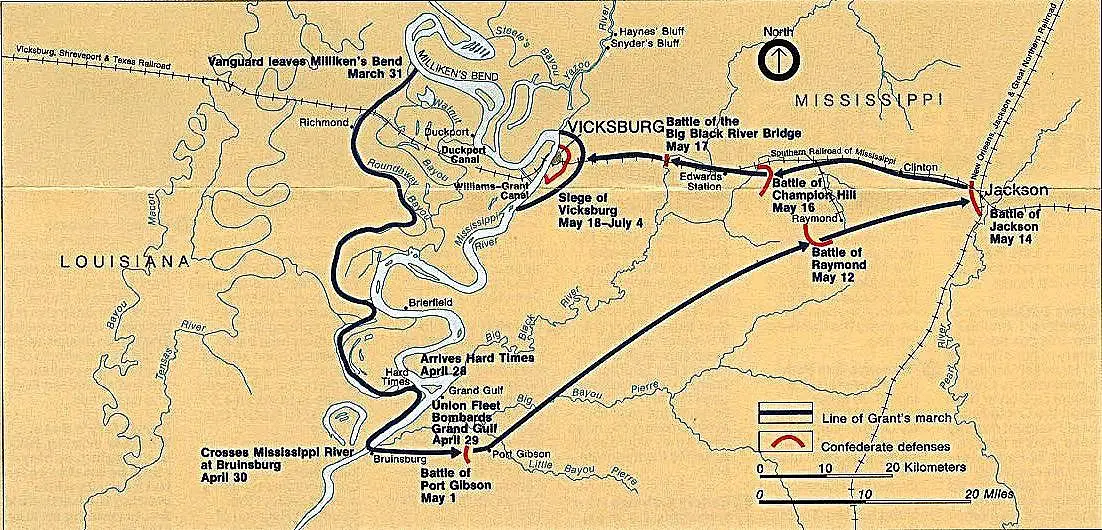
| Union General Ulysses S. Grant won several victories around Vicksburg, Mississippi, the fortified city considered essential to the Union's plans to regain control of the Mississippi River. On May 22, Grant began a siege of the city. After six weeks, Confederate General John Pemberton surrendered, giving up the city and 30,000 men. The capture of Port Hudson, Louisiana, shortly thereafter placed the entire Mississippi River in Union hands. The Confederacy was split in two. |
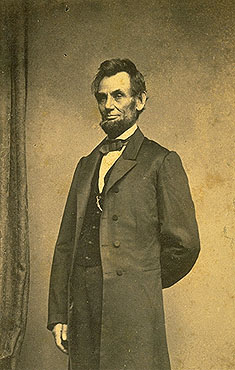 |
"Vicksburg is the key. The war can never be brought to a close until the key is in our pocket," said. Union President Abraham Lincoln |
"Vicksburg is the nail head that holds the South's two halves together," said Confederate President Jefferson Davis. | 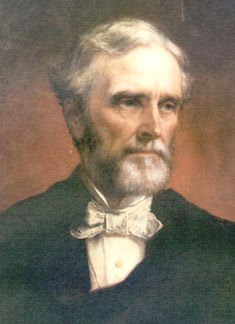 |
|
Original Work: General Grant's Vicksburg Campaign Kindle Available  Grant Wins the War Decision at Vicksburg A brilliantly constructed new account,A penetrating analysis of Grant's strategies and actions leading to the Union victory at Vicksburg. Approaching these epic events from a unique and well-rounded perspective, and based on careful research |
Attack Begins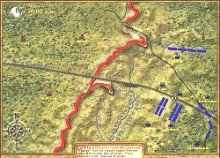 |
10:00 A.M.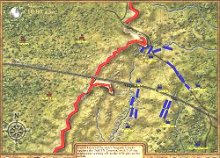 |
10:15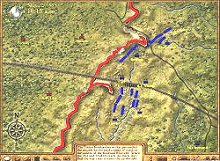 |
| Click to enlarge these Battle Travelbrains screenshots from the Multi-Media Battle detail |
10:45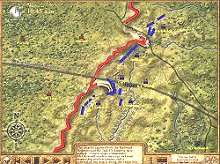 |
 Civil War Campaigns: Vicksburg A chance to refight one of the American Civil War's most crucial battles. It's April of 1863, and General U.S. Grant has led his men to the banks of the Mississippi River. After disastrous Union campaigns at Chickasaw Bayou, Steele Bayou and Greenville, Grant elects to bypass the Confederate fortress city of Vicksburg |
Kindle Available Standard Catalog of Civil War Firearms Over 700 photographs and a rarity scale for each gun, this comprehensive guide to the thousands of weapons used by Billy Yank and Johnny Reb will be indispensable for historians and collectors. |
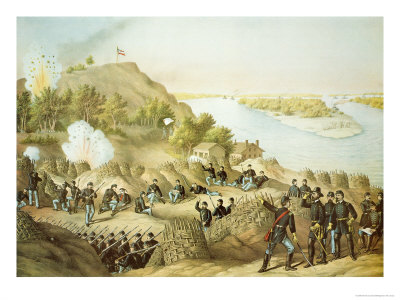
Siege of Vicksburg, 1863 Engraved by Kurz and Allison, 1888 24 in. x 18 in. Buy at AllPosters.com Framed Mounted |
Vicksburg Battles Map
Click to enlarge |
 The Beleaguered City: The Vicksburg Campaign, December 1862-July 1863 Shelby Foote explains all engagements in and around Vicksburg. Every event is descriptively written covering naval strategies along the Mississippi, Yazoo and other rivers which were of importance to naval affairs of each opposing side |
|
 Ninety-Eight Days: A Geographer's View of the Vicksburg Campaign The geology of the Mississippi river, and how the landcape along the river determined the course of events and logistical realities that the armies had to contend with, such as the pounds per square inch of a cassion wheel as it contacts the earth Kindle Available  Champion Hill: Decisive Battle for Vicksburg The Battle of Champion Hill was the decisive land engagement of the Vicksburg Campaign. The May 16, 1863, fighting took place just 20 miles east of the river city, where the advance of Gen. Ulysses S. Grant's Federal army attacked Gen. John C. Pemberton's hastily gathered Confederates |
|
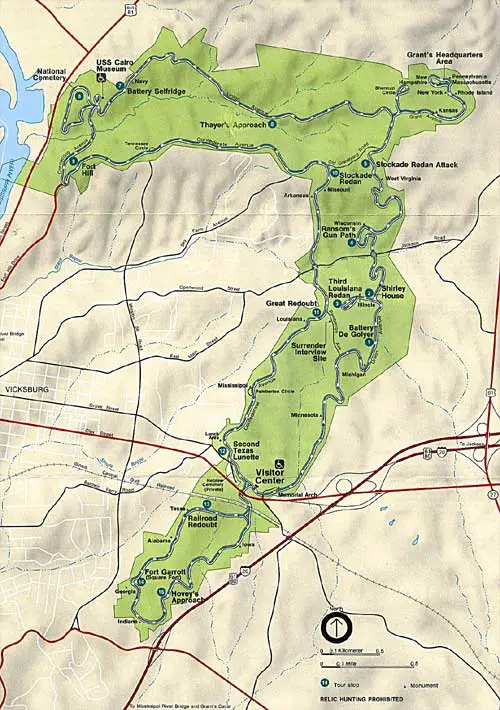
Vicksburg National Park Map More on Vicksburg Mississippi State Battle Map Battles by Campaign Civil War Exhibits Kids Zone Gettysburg Civil War Summary |
12 Inch Action Figures  |
 Guide to the Vicksburg Campaign U.S. Army War College Guides to Civil War Battles Army War College Examines an entire campaign, looking at many interlinked battles and joint Army-Navy operations as they played out over seven months and thousands of square miles |
 Vicksburg: 47 Days of Siege First-hand accounts of life during the 47 days Vicksburg was under siege. Ranging from housewives to soliders on both sides, a good idea of what life was like, from ways to pass the time to what to eat, in and around Vicksburg. A large photo album and a glossary |
 Mississippi's Civil War: A Narrative History A great treatment of wartime Mississippi that includes a lot of social and political material in addition to information on battles. It also includes a lot of great stories, from the dramatic resignation of Jefferson Davis from the U.S. Senate in 1861 to Ulysses S. Grant's drinking habits during the siege of Vicksburg |
 A Hard Trip: A History of the 15th Mississippi Infantry, CSA The reality of the moment in 1860-61 Mississippi. The thoughts of the men who formed the 15th Mississippi are front and center with good background about the communities the men came from and the reasons they joined the army. |
Kindle Available Personal Memoirs of P.H. Sheridan, General United States Army Philip H. Sheridan earned the enmity of many Virginians for laying waste to the Shenandoah Valley. His date and place of birth is uncertain, but he himself claimed to have been born in New York in 1831 |
 Grant's Lieutenants: From Chattanooga to Appomattox This new volume assesses Union generalship during the final two years of the Civil War. Steven Woodworth, one of the war's premier historians, is joined by a team of scholars-- Grimsley, Marszalek, and Hess, among others--who critique Ulysses S. Grant's commanders |
 Unconditional Surrender: U. S. Grant and the Civil War This is the best juvenile biography on Ulysses S. Grant by a wide margin. Marrin has done an excellent job in introducing Grant to a young audience. I highly recommend it. |
 Grant's Secret Service: The Intelligence War from Belmont to Appomattox The first scholarly examination of the use of military intelligence under Ulysses S. Grant's command during the Civil War. Feis makes the new and provocative argument that Grant's use of the Army of the Potomac's Bureau of Military Information played a significant role in Lee's defeat |
 History Channel Civil War Secret Missions There are about a half-dozen different small arms types, but the Henry is the best for rapid repeating fire and least reloading. The shotgun they give you is useless: you must aim spot-on to affect an enemy, so why not just use the rifle? Grenades are useful at times. |
 Civil War Battles Campaign Atlanta You decide the outcome of a duel between two determined generals in the American Civil War. It's 1864 and the Union forces are ready to make a final drive into the Deep South. General William T. Sherman advances to destroy the Confederate Army of Tennessee & capture the city of Atlanta. Confederate General Joseph E. Johnston planned on using Georgia's difficult terrain to inflict heavy losses |
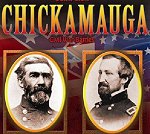 Campaign Chickamauga Civil War Battles A defining moment in the Civil War -- one that could have spelled victory for the South if things had been slightly different. At Chickamauga Creek near Chattanooga, TN there was a battle that earned it a new nickname: "River Of Blood." Chattanooga was a vital rail station at the time and had fallen to Union General Rosecrans |
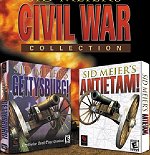 Sid Meier's Civil War Collection Take command of either Confederate or Union troops and command them to attack from the trees, rally around the general, or do any number of other realistic military actions. The AI reacts to your commands as if it was a real Civil War general, and offers infinite replayability. The random-scenario generator provides endless variations on the battles |
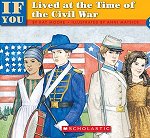 If You Lived at the Time of the Civil War All of the "If you Lived at the Time of..." books are great for kids, and also a nice, quick read for adults! What I like about them is their layout, which is easy for readers to follow. Each page begins with a question, "Would you have seen a battle in the South?" for example. Nicely drawn illustrations accompany each answer. |
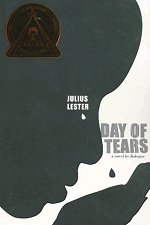 Day Of Tears Through flashbacks and flash-forwards, and shifting first-person points of view, readers will travel with Emma and others through time and place, and come to understand that every decision has its consequences, and final judgment is passed down not by man, but by his maker. |
Kindle Available The Civil War Introduces young readers to the harrowing true story of the American Civil War and its immediate aftermath. A surprisingly detailed battle-by-battle account of America's deadliest conflict ensues, culminating in the restoration of the Union followed by the tragic assassination of President Lincoln |
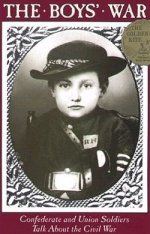 The Boys War With the many boys who fought in the civil war most of them lied about their age. A lot of them wrote letters or had a diary. Johnny Clem had run away from his home at 11. At age 12 he tried to enlist but they refused to let him join because he was clearly too young. The next day he came back to join as a drummer boy. |
Sources:
Library of Congress
US National Park Service
Federal Citizen
|
Books Civil War Womens Subjects Young Readers Military History DVDs Confederate Store Civil War Games Music CDs |

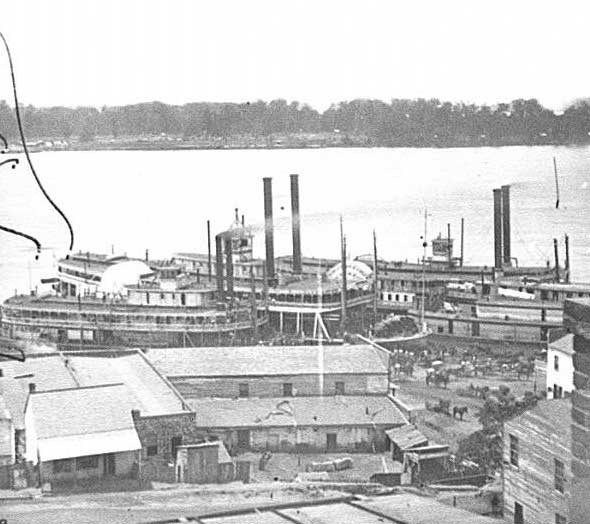 Vicksburg.