|
|
|
|
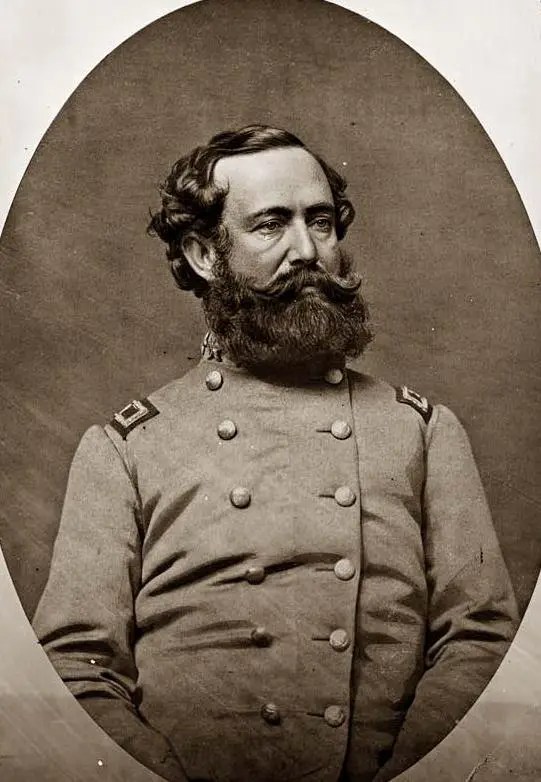
Kindle Available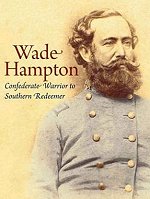 Wade Hampton: Confederate Warrior to Southern Redeemer General Wade Hampton was for a time the commander of all Lee's cavalry and at the end of the war was the highest-ranking Confederate cavalry officer Kindle Available  Battle of Monroe's Crossroads and the Civil War's Final Campaign Detailed tactical narrative of this important but long-forgotten battle, and places it in its proper context within the entire campaign. Author Eric Wittenberg study features 28 original maps and 50 illustrations. Finally, an author of renown has brought to vivid life this overlooked portion of the Carolinas Campaign.  This Terrible Sound The Battle of Chickamauga Study of the great bloody battle of Chickamauga that was the last great offensive, although costsly, victory by the Confederates. This is a detailed account of the movements of regiments, brigades, divisions. |
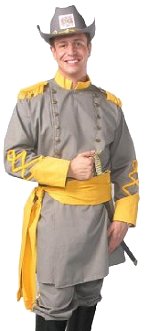 Adult Confederate Officer Uniform |
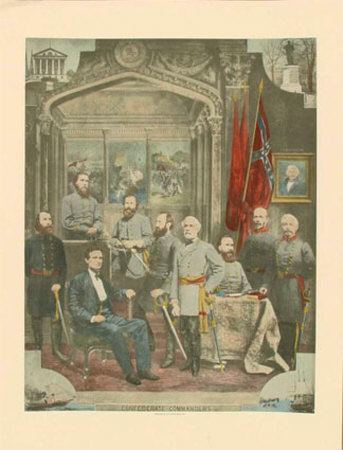
Confederate Commanders Art Print 19 in. x 25 in. Buy at AllPosters.com Framed |
 |
 "We Shall Meet Again": The First Battle of Manassas (Bull Run), July 18-21, 1861 The First Battle of Manassas claimed the lives of approximately 878 soldiers and wounded another 2,489. With a battlefield stretching nearly five miles, 15,000 Union and 14,000 Confederate soldiers clashed for four fateful days, many of them young and terrified and receiving their first taste of a long and bitter war |
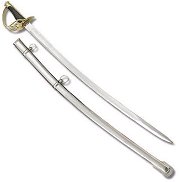 Cavalry Saber This fine replica is 39 inches overall and features a highly polished 33 inch carbon steel blade. Its leather wrapped handle fits the hand perfectly and sports decorative brass accents and a shiny brass pommel. |
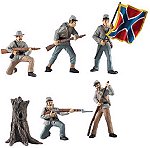
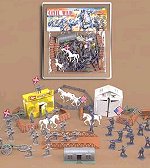 72 Piece Civil War Army Men Play Set 52mm Union and Confederate Figures, Bridge, Horses, Canon
|
Kindle Available April 1865 The Month That Saved America There was nothing inevitable about the end of the Civil War, from the fall of Richmond to the surrender at Appomattox to the murder of Lincoln. It all happened so quickly, in what was the most moving and decisive month not simply of the Civil War, but indeed, quite likely, in the life of the United States |
Kindle Available Lee's Endangered Left: The Civil War In Western Virginia, Spring Of 1864 Grant devised a plan of concerted action to bring down the Confederacy. He aimed to destroy General Lee's supply source for his Army in Western Virginia and to use military activity there as an extended turning movement to threaten Lee from the west |
Kindle Available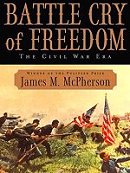 The Illustrated Battle Cry of Freedom The Civil War Era Published in 1988 to universal acclaim, this single-volume treatment of the Civil War quickly became recognized as the new standard in its field. James M. McPherson, who won the Pulitzer Prize for this book, impressively combines a brisk writing style with an admirable thoroughness. He covers the military aspects of the war in all of the necessary detail, and also provides a helpful framework describing the complex economic, political, and social forces behind the conflict. Perhaps more than any other book, this one belongs on the bookshelf of every Civil War buff. |
Kindle Available The Civil War a Narrative This beautifully written trilogy of books on the American Civil War is not only a piece of first-rate history, but also a marvelous work of literature. Shelby Foote brings a skilled novelist's narrative power to this great epic. Many know Foote for his prominent role as a commentator on Ken Burns's PBS series about the Civil War. These three books, however, are his legacy. His southern sympathies are apparent: the first volume opens by introducing Confederate President Jefferson Davis, rather than Abraham Lincoln. But they hardly get in the way of the great story Foote tells. This hefty three volume set should be on the bookshelf of any Civil War buff. |
Kindle Available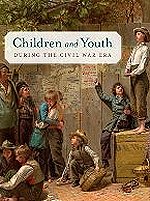 Children and Youth during the Civil War Era The experience of children and youth during that tumultuous time remains a relatively unexplored facet of the conflict. Children and Youth During the Civil War Era seeks a deeper investigation into the historical record by giving voice and context to their struggles and victories |
Kindle Available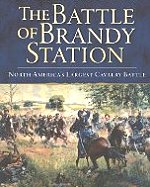 The Battle of Brandy Station North America's Largest Cavalry Battle Just before dawn on June 9, 1863, Union soldiers materialized from a thick fog near the banks of Virginia's Rappahannock River to ambush sleeping Confederates. The ensuing struggle, which lasted throughout the day, was to be known as the Battle of Brandy Station the largest cavalry battle ever fought on North American soil. |
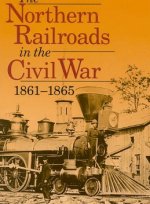 The Northern Railroads in the Civil War, 1861-1865 Account of the impact of the railroads on the American Civil War and vice versa. How the North was helped to victory through its effective use of the rails, also how the war changed the way railroads were built, run and financed after the war. |
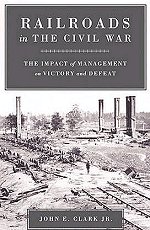 Railroads In The Civil War: The Impact Of Management On Victory And Defeat By the time of the Civil War, the railroads had advanced to allow the movement of large numbers of troops even though railways had not yet matured into a truly integrated transportation system. |
 Robert E. Lee: Civil War General The game comes with two types of battles to choose from, 45 historical battles and more than 100 alternative ones. The alternative ones are usually smaller versions of the historical ones. Of great interest is the way the game handles campaigns. Not only does it string together varying numbers of individual scenarios but puts the emphasis on how well or poorly your army performs during battle |
 Antietam: Battleground 5 PC Game focuses on individual areas of the battle, including the pre-battle South Mountain delaying action, or you can fight the whole Antietam scrap between McClellan and Lee on September 17th 1862 |
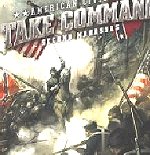 Take Command 2nd Manassas 2nd Manassas explores one of the American Civil War's most important battles. Travel back to 1862 and fight what the North remembers as the Second Battle of BullRun -- a battle which was pivotal to the Northern Virginia Campaign. Take on the essential elements of decision-making for this crucial battle - Take Command or be overcome by it. Accurate ballistics for weapons Play |
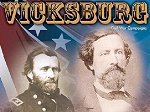 Civil War Campaigns: Vicksburg A chance to refight one of the American Civil War's most crucial battles. It's April of 1863, and General U.S. Grant has led his men to the banks of the Mississippi River. After disastrous Union campaigns at Chickasaw Bayou, Steele Bayou and Greenville, Grant elects to bypass the Confederate fortress city of Vicksburg |
|
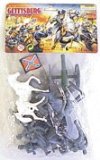 Gettysburg Playset 12 to 26 piece soldier play sets. Ages 6 and Up |
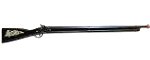 Civil War Musket Wood & Steel Frontier Rifle Designed After The Original Rifle, This Civil War Musket replica has been designed after the original rifle of its era. Measures approximately 37 inches long. Each is constructed with a solid one-piece wood stock, painted steel barrel and die-cast parts. |
|
12 Inch Action Figures 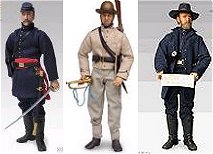 |


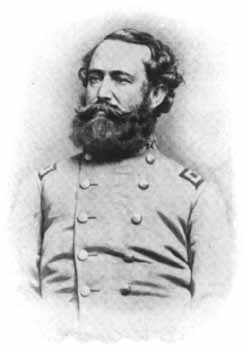 command posts were generally reserved for graduates of the United States Military Academy or other military schools such as South Carolina's Citadel or the Virginia Military Institute.