 Bitter Fruits Of Bondage: The Demise Of Slavery And The Collapse Of The Confederacy, 1861-1865 The process of social change initiated during the birth of Confederate nationalism undermined the social and cultural foundations of the southern way of life built on slavery, igniting class conflict that ultimately sapped white southerners of the will to go on. |
Petersburg
|
|
|
|
|
 Swallowed Up in Victory: A Civil War Narrative, Petersburg, 1864-1865 A narrative of the last year of the American Civil War, follows the action surrounding the first attacks on Petersburg through the surrender at Appomattox |
 Grant's Secret Service: The Intelligence War from Belmont to Appomattox The first scholarly examination of the use of military intelligence under Ulysses S. Grant's command during the Civil War. Feis makes the new and provocative argument that Grant's use of the Army of the Potomac's Bureau of Military Information played a significant role in Lee's defeat |
|
Young Reader Title Unconditional Surrender: U. S. Grant and the Civil War This is the best juvenile biography on Ulysses S. Grant by a wide margin. Marrin has done an excellent job in introducing Grant to a young audience. I highly recommend it. |
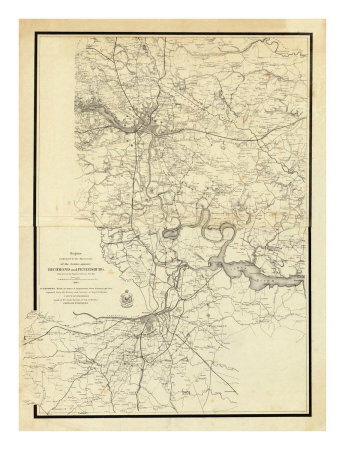 Civil War Map Showing the Operations of the Armies against Richmond and Petersburg 36.75 in. x 48 in. Buy at AllPosters.com Framed |
Kindle Available The Passing of Armies: An Account Of The Final Campaign Of The Army Of The Potomac The beginning of the final campaign of the Army of the Potomac against Confederate General Robert E. Lee and the Army of Northern Virginia. It was the spring of 1864 and General Grant had Lee and his army backing up toward what finally became the siege of Petersburg, Virginia. |
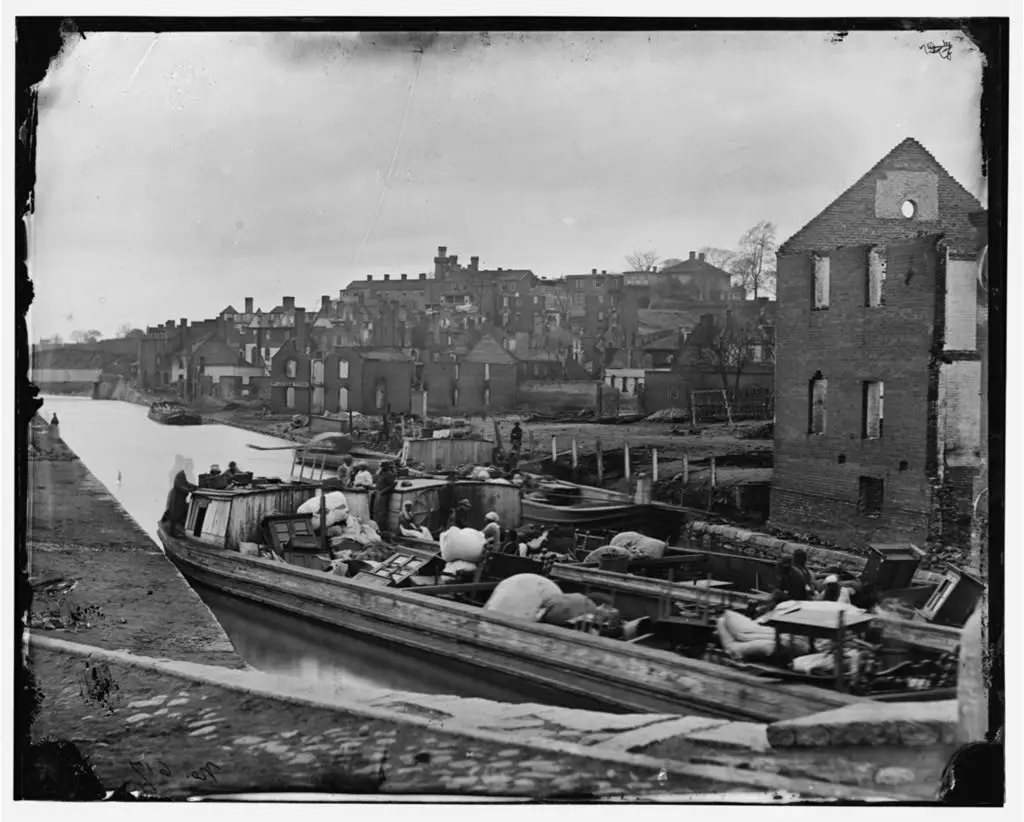
The Fall of Richmond, Refugees, April 2, 1865 |
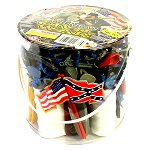 Civil War Soldier 102 Piece Playset
|
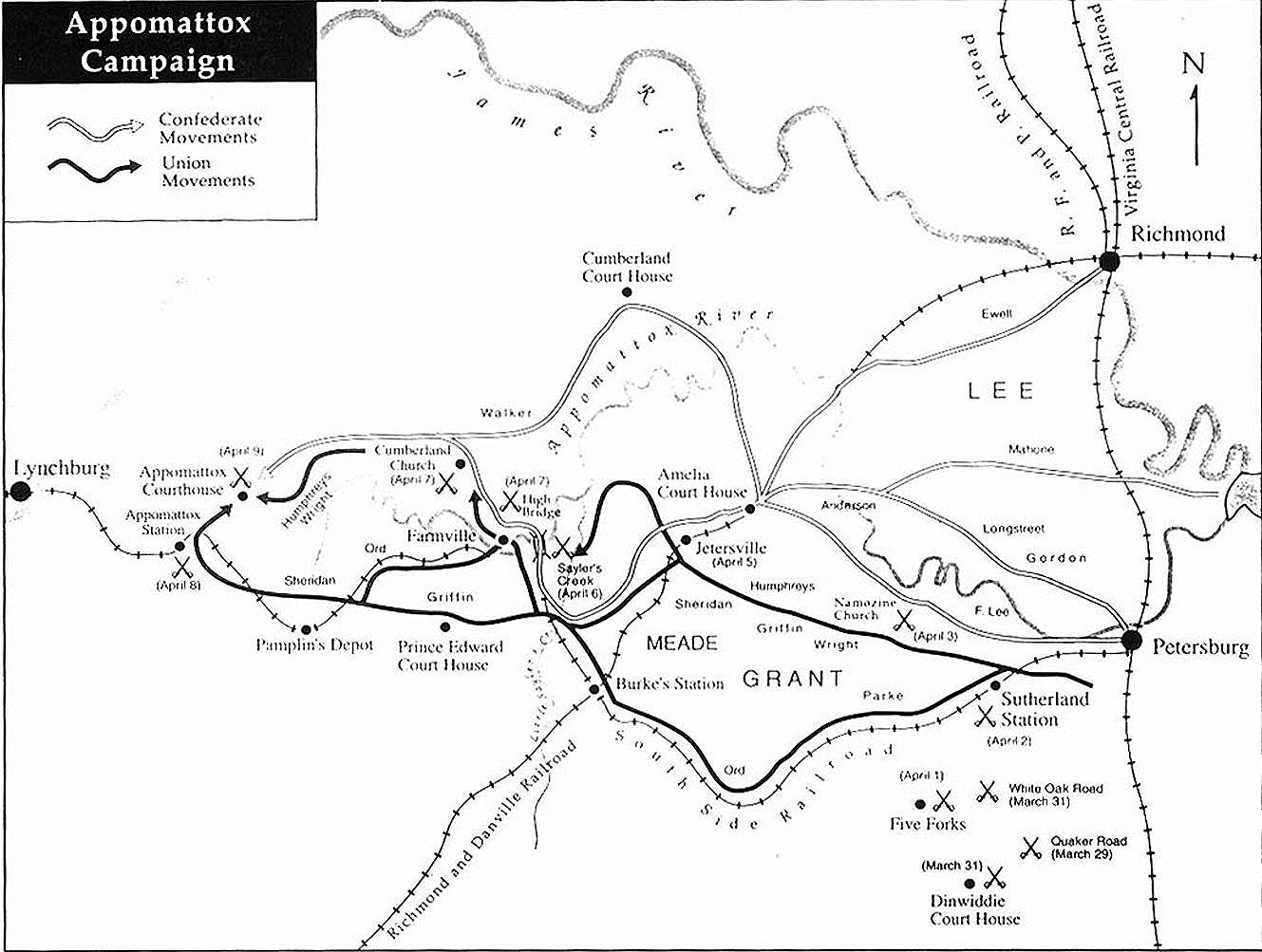
Virginia State Battle Map 1865 State Battle Maps Civil War Submarines Appomattox Courthouse Civil War Picture Album President Abraham Lincoln Confederate Commanders Union Generals Battle of Gettysburg American Civil War Exhibits Civil War Summary Documents of the Civil War |
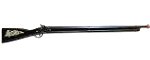 Civil War Musket Wood & Steel Frontier Rifle Designed After The Original Rifle 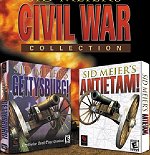 Sid Meier's Civil War Collection Take command of either Confederate or Union troops and command them to attack |
Kindle Available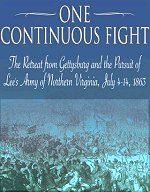 One Continuous Fight: The Retreat from Gettysburg and the Pursuit of Lee's Army of Northern Virginia The first detailed military history of Lee's retreat and the Union effort to catch and destroy the wounded Army of Northern Virginia Complimented with 18 original maps, dozens of photos, and a complete driving tour with GPS coordinates of the entire retreat |
Kindle Available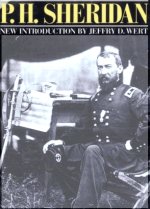 Personal Memoirs of P.H. Sheridan, General United States Army Philip H. Sheridan earned the enmity of many Virginians for laying waste to the Shenandoah Valley. His date and place of birth is uncertain, but he himself claimed to have been born in New York in 1831 |
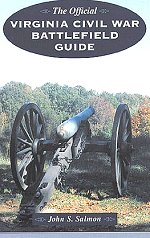 The Official Virgini Civil War Battlefield Guide Virginia was host to nearly 1/3rd of all Civil War engagements. This guide covers them all like a mini-history of the war. This guide organizes battles chronologically. Each campaign has a detailed overview, followed by concise descriptions of the individual engagements |
Kindle Available April 1865 The Month That Saved America There was nothing inevitable about the end of the Civil War, from the fall of Richmond to the surrender at Appomattox to the murder of Lincoln. It all happened so quickly, in what was the most moving and decisive month not simply of the Civil War, but indeed, quite likely, in the life of the United States |
Kindle Available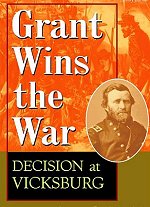 Grant Wins the War Decision at Vicksburg A brilliantly constructed new account,A penetrating analysis of Grant's strategies and actions leading to the Union victory at Vicksburg. Approaching these epic events from a unique and well-rounded perspective, and based on careful research |
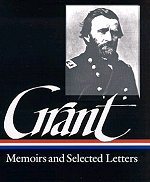 Ulysses S. Grant Memoirs and Selected Letters Grant wrote his "Personal Memoirs" to secure his family's future. In doing so, the Civil War's greatest general won himself a unique place in American letters. His character, sense of purpose, and simple compassion are evident throughout this deeply moving account, as well as in the letters to his wife, Julia |
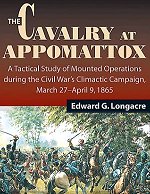 The Cavalry at Appomattox A Tactical Study of Mounted Operations During the Civil War's Climactic Campaign, March 27-April 9, 1865 |
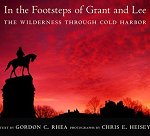 In the Footsteps of Grant and Lee: The Wilderness Through Cold Harbor For forty days, the armies fought a grinding campaign from the Rapidan River to the James River that helped decide the course of the Civil War. Several of the war's bloodiest engagements occurred in this brief period: the Wilderness, Spotsylvania Court House, the North Anna River, Totopotomoy Creek, Bethesda Church, and Cold Harbor |
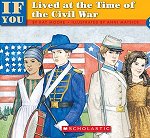 If You Lived at the Time of the Civil War All of the "If you Lived at the Time of..." books are great for kids, and also a nice, quick read for adults! What I like about them is their layout, which is easy for readers to follow. Each page begins with a question, "Would you have seen a battle in the South?" for example. Nicely drawn illustrations accompany each answer. |
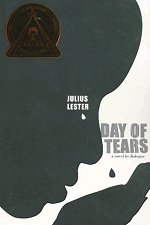 Day Of Tears Through flashbacks and flash-forwards, and shifting first-person points of view, readers will travel with Emma and others through time and place, and come to understand that every decision has its consequences, and final judgment is passed down not by man, but by his maker. |
Kindle Available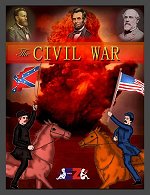 The Civil War Introduces young readers to the harrowing true story of the American Civil War and its immediate aftermath. A surprisingly detailed battle-by-battle account of America's deadliest conflict ensues, culminating in the restoration of the Union followed by the tragic assassination of President Lincoln |
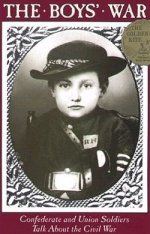 The Boys War With the many boys who fought in the civil war most of them lied about their age. A lot of them wrote letters or had a diary. Johnny Clem had run away from his home at 11. At age 12 he tried to enlist but they refused to let him join because he was clearly too young. The next day he came back to join as a drummer boy. |
|
Battle of Shiloh Civil War Map First Manassas Civil War Pictures Civil War Cooking Gettysburg Civil War Ships |