Kindle Available Shiloh: A Battlefield Guide This battlefield guide breathes life into Civil War history, giving readers a clear picture of the setting at the time of engagement, who was where, and when and how the battle progressed. |
|
|
|
|
|
 The Bridge Burners: A True Adventure of East Tennessee's Underground Civil War The railroad that proved such a peacetime boon would become a point of conflict only three years later Kindle Available  Shilol: A Novel by Shelby Foote One of the best novels of the American Civil War. Foote is able to capture not only the sense of the battle, but the spirit of the soldiers who fought there. A study of the human condition and how it deals with the horrors of war |
Kindle Available  Standard Catalog of Civil War Firearms Over 700 photographs and a rarity scale for each gun, this comprehensive guide to the thousands of weapons used by Billy Yank and Johnny Reb will be indispensable for historians and collectors. |
Battle at Pittsburg Landing Art Print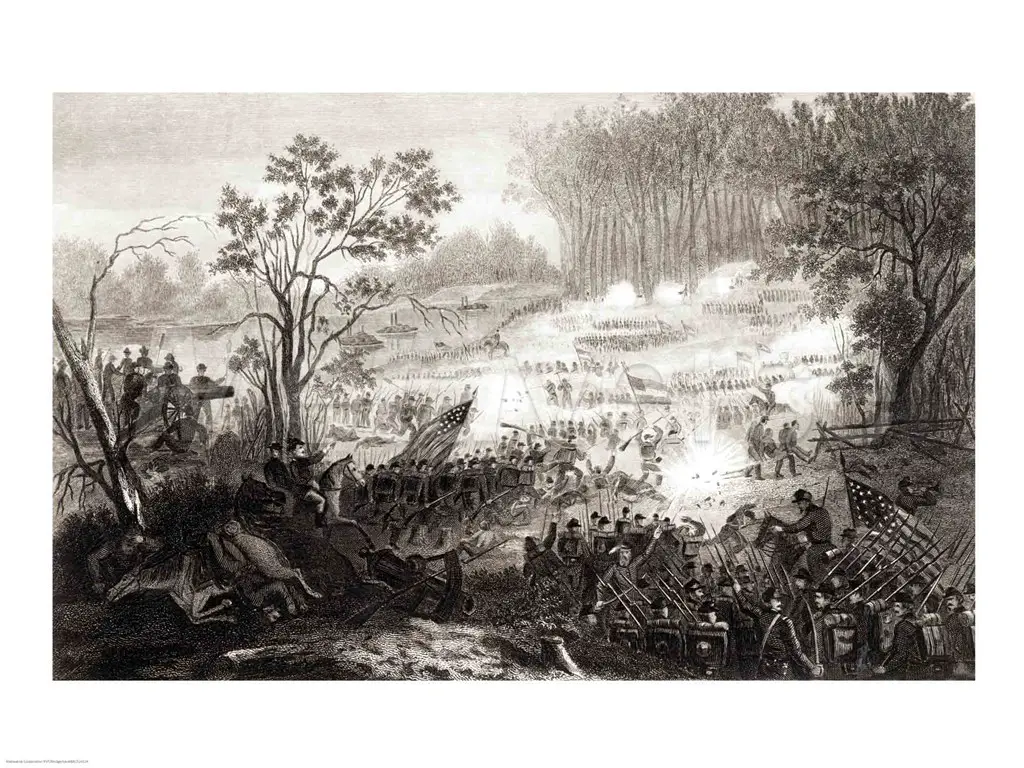 |
 Struggle for the Heartland: The Campaigns from Fort Henry to Corinth The military campaign that began in early 1862 with the advance to Fort Henry and culminated in late May with the capture of Corinth, Mississippi. The first significant Northern penetration into the Confederate west Kindle Available  Shiloh: The Battle That Changed the Civil War The battle of Shiloh, fought in April 1862 in the wilderness of south central Tennessee, marked a savage turning point in the Civil War. In this masterful book, The drama and the horror of the battle and discusses in authoritative detail the political and military policies that led to Shiloh Kindle Available 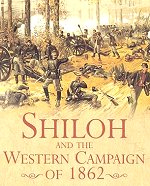 Shiloh and the Western Campaign of 1862 The Battle of Shiloh was one of the most critical battles in American History. Some of the biggest figures of the Civil War - Grant, Sherman, Johnston, Bragg, Beauregard, Buell - all fought there. Grant would write in his memoirs, before Shiloh, Americans on both sides of the Mason Dixon line believed that the war could still be a short affair.  The Untold Story of Shiloh: The Battle and the Battlefield Fought in south central Tennessee, north of Corinth, Mississippi, the battle showed the nation that the Civil War would be long and difficult. The Battle of Shiloh opened up the western Confederacy to the Union invasion that would ultimately prove its undoing |
|
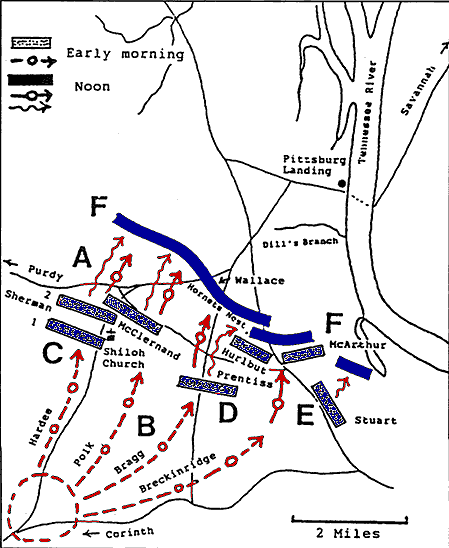
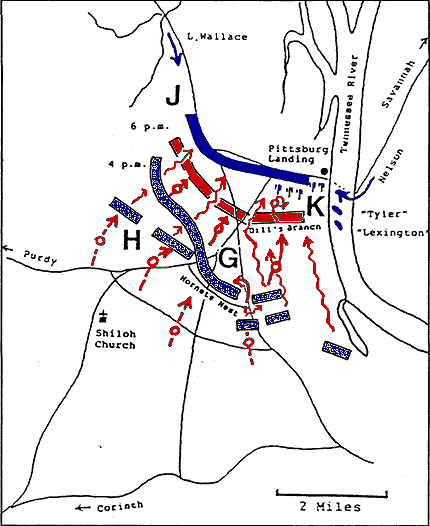
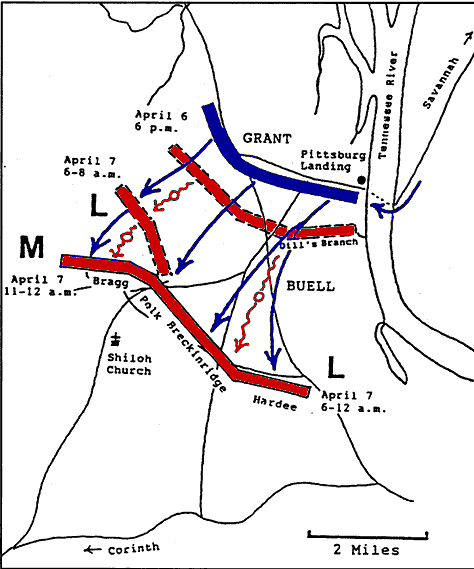
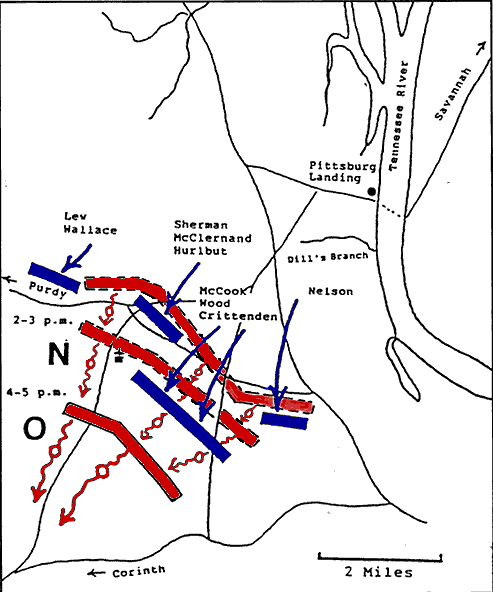
Strategic Situation February 27, 1862 Click to enlarge Map 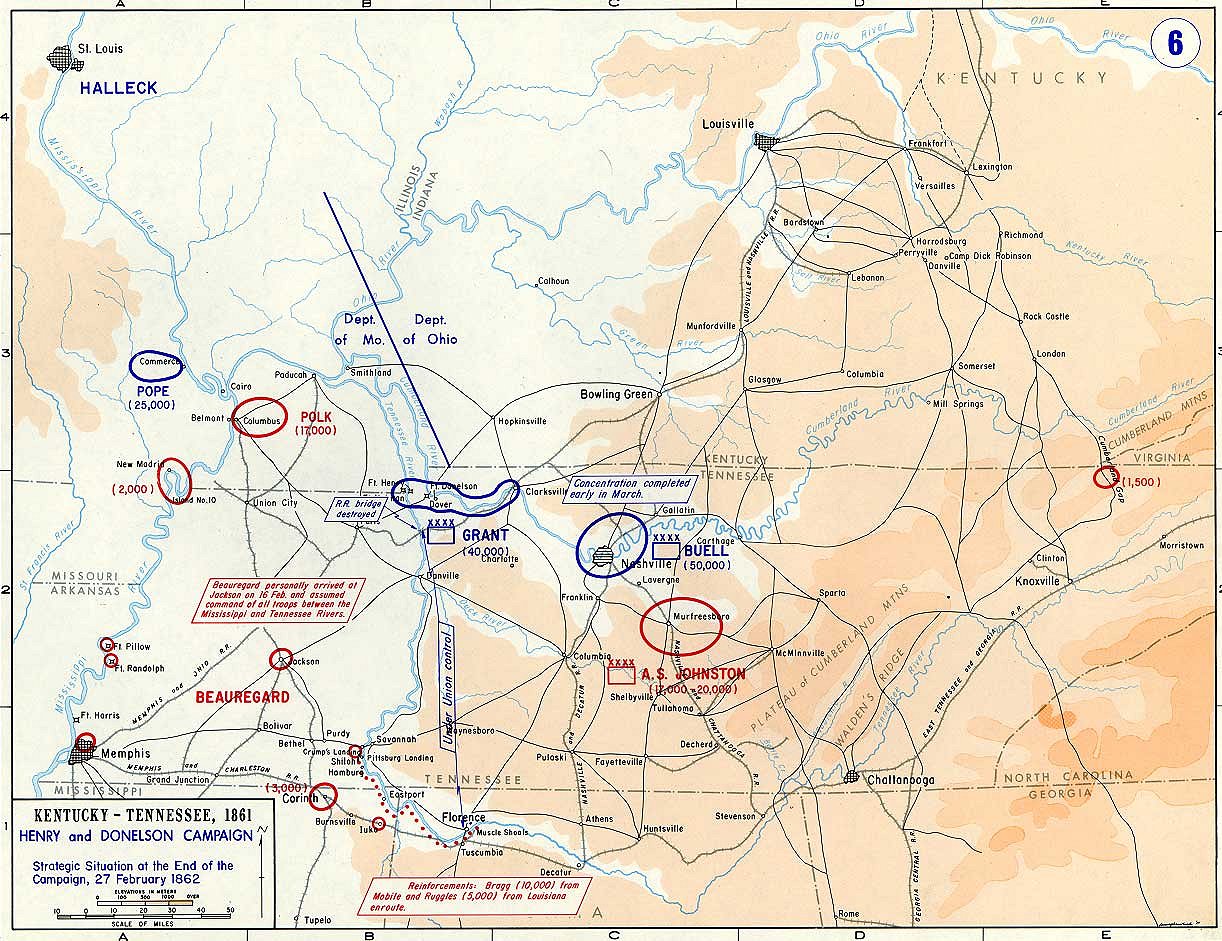 End of April 6, 1862 Click to enlarge Map 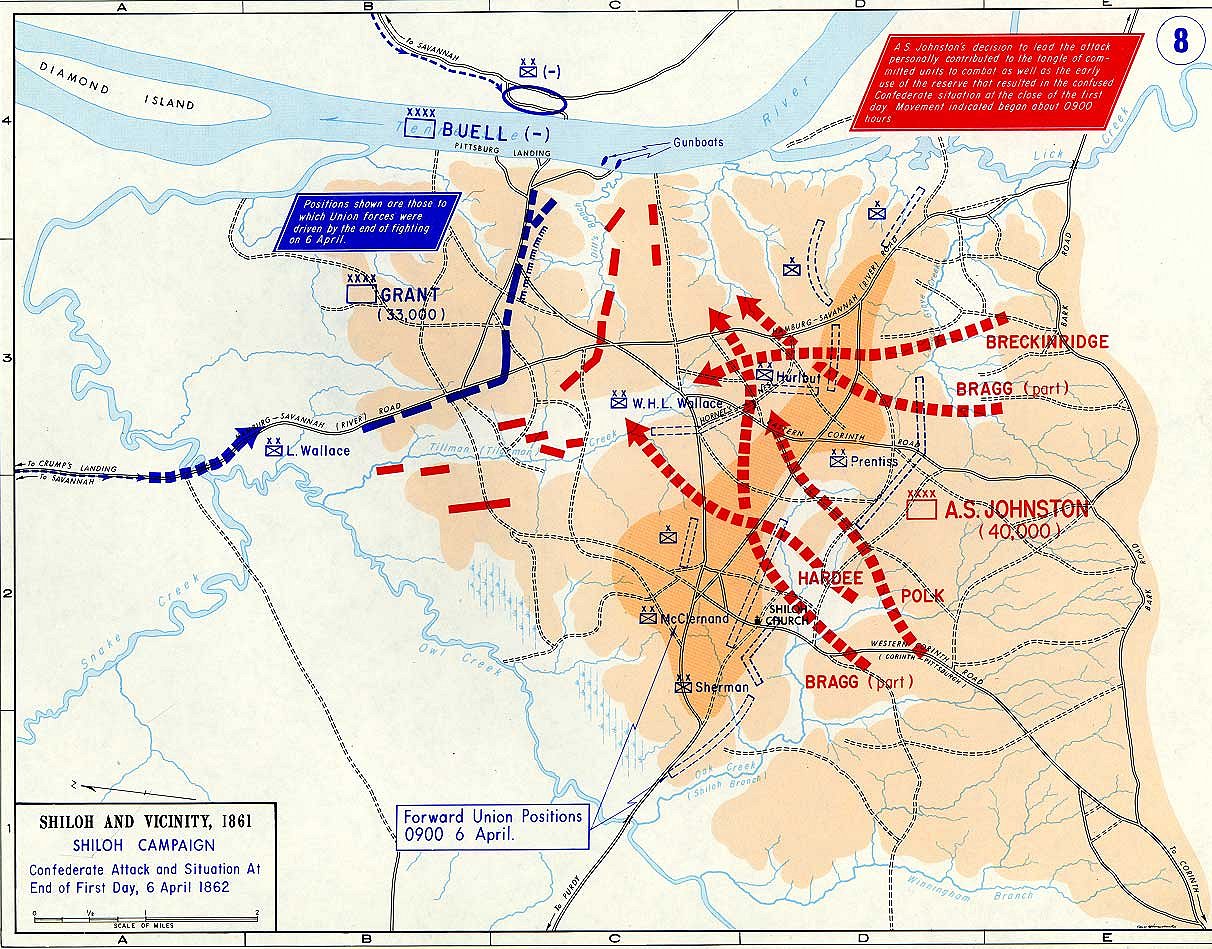 End of April 7, 1862 Click to enlarge Map 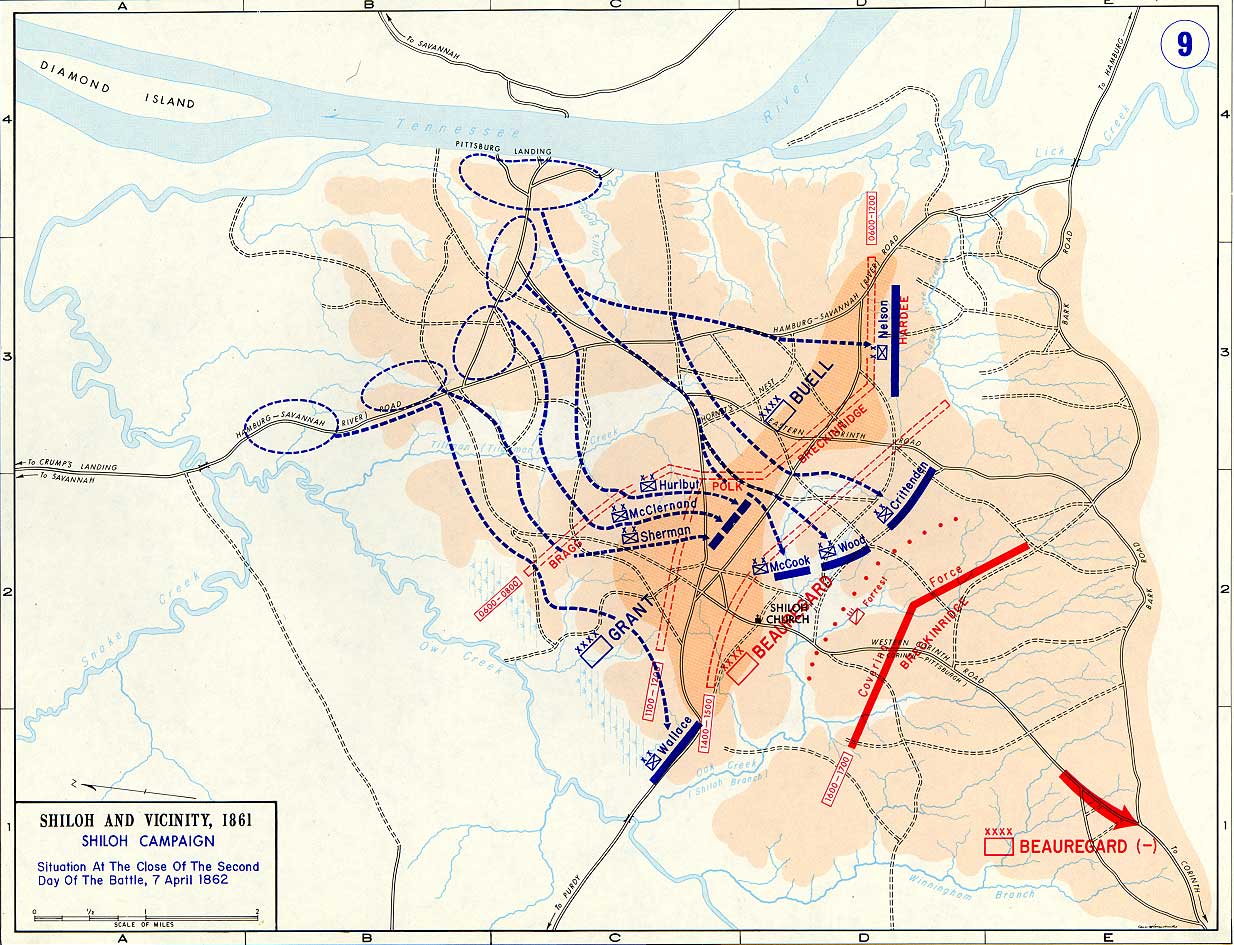 |
 Shiloh and Corinth: The brave deeds performed by soldiers of the North and South. Approximately 93 striking photographs and accompanying histories bring the battlefields to life, from Shiloh and Savannah, Tennessee, to Iuka and Corinth, Mississippi  Sanctified Trial: The Diary of Eliza Rhea Anderson Fain, a Confederate Woman in East Tennessee The Diary of Eliza Rhea Anderson Fain  The Confederacy's Last Hurrah: Spring Hill, Franklin, and Nashville John Bell Hood rallied his demoralized troops and marched them off the Tennessee, desperately hoping to draw Sherman after him and forestall the Confederacy's defeat |
12 Inch Action Figures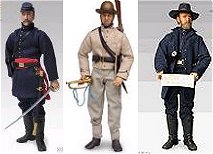 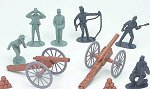 Civil War Artillery Playset Civil War Artillery Sets: |
Shiloh Battle April 6 The Hornets Nest Shiloh Battle April 7 Shiloh Battle Results Shiloh Battle Map Tennessee State Battle Map State Battle Maps Civil War Exhibits Civil War Timeline Women in the War Civil War Summary Confederate Supplies |
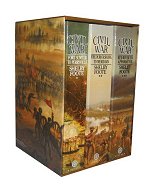 The Civil War: A Narrative 3 Volume Set : Foote This trilogy of books on the Civil War is not only a piece of first-rate history, but also a marvelous work of literature. Many know Foote for his prominent role as a commentator on Ken Burns's PBS series about the Civil War. These three books, however, are his legacy |
Kindle Available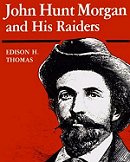 John Hunt Morgan and His Raiders The "Thunderbolt of the Confederacy" John Hunt Morgan from Tompkinsville, Kentucky to Greeneville, Tennessee. |
 The Partisan Rangers of the Confederate States Army: Memoirs of General Adam R. Johnson The capture of Newburg, Indiana, with only twelve men and two joints of stovepipe mounted on the running gear of a wagon. This episode won him a nickname of "Stovepipe." He was promoted to Brigadier General in June 1864 |
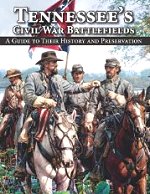 Tennessee's Civil War Battlefields: A Guide to Their History and Preservation Well researched, with detailed maps and photographs, this book allows you to follow General Forrest over his many engagements and march alongside the Army of Tennessee. |
The Bridge Burners: A True Adventure of East Tennessee's Underground Civil War The railroad that proved such a peacetime boon would become a point of conflict only three years later |
The Confederacy's Last Hurrah: Spring Hill, Franklin, and Nashville John Bell Hood rallied his demoralized troops and marched them off the Tennessee, desperately hoping to draw Sherman after him and forestall the Confederacy's defeat |
 Where the South Lost the War: An Analysis of the Fort Henry-Fort Donelson Campaign The war probably could have been over in 1862 had Lieutenant Phelps destroyed the bridge at Florence. Not doing so provided a retreat for A. S. Johnston to move his men to Corinth and then to Shiloh |
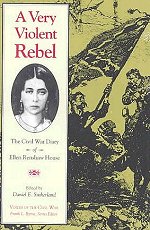 A Very Violent Rebel: The Civil War Diary of Ellen Renshaw House The Siege of Knoxville (November 1863) is covered and Sutherland's footnotes make for good historyl |
The Untold Story of Shiloh: The Battle and the Battlefield Fought in south central Tennessee, north of Corinth, Mississippi, the battle showed the nation that the Civil War would be long and difficult. The Battle of Shiloh opened up the western Confederacy to the Union invasion that would ultimately prove its undoing |
|
Books Civil War Womens Subjects Young Readers Military History DVDs Confederate Store Civil War Games Music CDs Reenactors |