
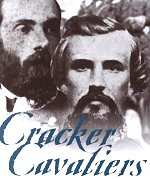
 Cracker Cavaliers: The 2nd Georgia Cavalry Under Wheeler and Forrest The Second Georgia fought in such famous campaigns as Perryville, Stones River, Chickamauga, Knoxville, Resaca, Atlanta, and Bentonville, they also participated in deadly encounters at Farmington, Mossy Creek, Noonday Creek, Sunshine Church, and Waynesboro | History of Chickamauga |
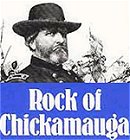 Rock of Chickamauga: The Life of General George H. Thomas Union General George Thomas was one of the five men most important in the North's victory. Military historians consider him one of the best defensive generals ever, a man who would have stood out in any war |
|
 This Terrible Sound The Battle of Chickamauga Study of the great bloody battle of Chickamauga that was the last great offensive, although costsly, victory by the Confederates. This is a detailed account of the movements of regiments, brigades, divisions. Kindle Available 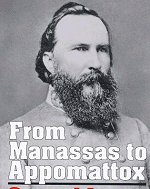 From Manassas to Appomattox: General James Longstreet According to some, he was partially to blame for the Confederate defeat at Gettysburg; according to others, if Lee had followed Longstreet's advice, they would have won that battle. He has been called stubborn and vain; and he has been lauded as one of the greatest tacticians of the Civil War |
|
Kindle Available 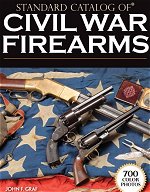 Standard Catalog of Civil War Firearms Over 700 photographs and a rarity scale for each gun, this comprehensive guide to the thousands of weapons used by Billy Yank and Johnny Reb will be indispensable for historians and collectors. |
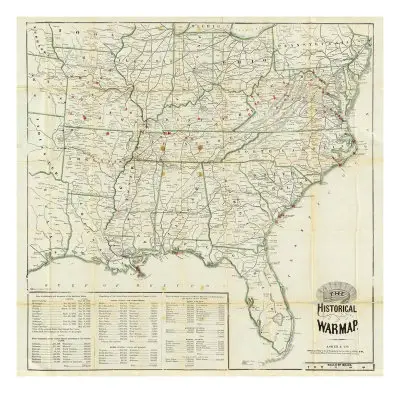
The United States Historical War Map, c.1862 48 in. x 47 in. $169.99 Buy at AllPosters.com Framed |
 Confederate Toy Soldiers Playsets of Confederate and Union Soldiers. Sets come in pieces of 30 to 100. Artillery Cavalry foot soldiers and cannon sets |
More on Chickamauga Battle September 18-20, 1863 Georgia State Battle Map |
 Rebel Boast: First at Bethel, Last at Appomattox Based on the stories of 5 men who enlisted in the Confederate Army to fight for what they believed. Where did they go? How did they feel? What did they do day to day? What did they see? How did they live and die? Nominated for a Pulitzer in 1956 |
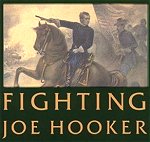 Fighting Joe Hooker Union general Joseph Hooker assumed command of an army demoralized by defeat and diminished by desertion. Acting swiftly, the general reorganized his army, routed corruption among quartermasters, improved food and sanitation, and boosted morale by granting furloughs and amnesties. The test of his military skill came in the battle of Chancellorsville. It was one of the Union Army's worst defeats |
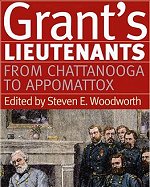 Grant's Lieutenants: From Chattanooga to Appomattox This new volume assesses Union generalship during the final two years of the Civil War. Steven Woodworth, one of the war's premier historians, is joined by a team of scholars-- Grimsley, Marszalek, and Hess, among others--who critique Ulysses S. Grant's commanders |
Kindle Available Wings to the Kingdom The fields at Chickamauga claimed 35,000 casualties during the Civil War. Any guide will tell you that the grounds are haunted. The battlefield even has its own resident haunt, called Old Green Eyes for his tell-tale luminous gaze. |
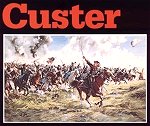 Custer Victorious: The Civil War Battles of General George Armstrong Custer Custer was promoted to major general and the helm of the Third Cavalry Division when he was only twenty-four. Urwin describes the Boy General's vital contributions to Union victories from Gettysburg to Appomattox. |
|||||||||||||||||||||||||||||||||||||||||||||||||||||||||||||||||||||||||||||||||||||||||||||||||||||||||||||||||||||||||||||||||||||||||||||||||||||||||||||||||||||||||||||||||||||||||||||||||||||||||||||||||||||||||||||||||||||||||||||||||||||||||||||||||||||||||||||||||||||||||||||||||||||||||||||||||||||||||||||||||||||||||||||||||||||||||||||||||||||||||||||||||||||||||||||||||||||||||||||||||||||||||||||||||||||||||||||||||||||||||||||||||||||||||||||||||||||||||||||||||||||||||||||||||||||||||||||||||||||||||||||||||||||||||||||||||||||||||||||||||||||||||||||||||||||||||||||||||||||||||||||||||||||||||||||||||||||||||||||||||||||||||||||||||||||||||||||||||||||||||||||||||||||||||||||||||||||||||||||||||||||||||||||||||||||||||||||||||||||||||||||||||||||||||||||||||||||||||||||||||||||||||||||||||||||||||||||||||||||||||||||||||||||||||||||||||||||||||||||||||||||||||||||||||||||||||||||||||||||||||||||||||||||||||||||||||||||||||||||||||||||||||||||||||||||||||||||||||||
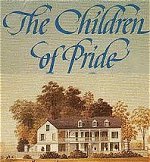 The Children of Pride: Selected letters of the family of the Rev. Dr. Charles Colcock Jones from the years 1860-1868 The Children of Pride: Selected letters of the family of the Rev. Dr. Charles Colcock Jones from the years 1860-1868 This book provides the thoughts of the entire family, all literate and well-spoken people, over the entire period from the 1850s, just living their ante-bellum experience, to the idea of the war on the horizon, entering into it and living it day by day. This is all seen through ordinary every-day experiences, family anecdotes, and discussions of what is occurring |
 Guide to the Atlanta Campaign: Rocky Face Ridge to Kennesaw Mountain Following the capture of Chattanooga, the Union initiated battles and operations that took it from the Tennessee border to the outskirts of Atlanta. Bloody confrontations at places such as Resaca and New Hope Church. Grant had ordered Sherman to penetrate the enemy's interior and inflict "all the damage you can against their War resources," |
 Savannah A large Union army led by Sherman leaves Chattanooga and northern Georgia camps and marches south to Atlanta and ultimately arrives at the coastal city of Savannah, laying waste to the territory through which it passes |
 The Battle of Resaca: Atlanta Campaign, 1864 Ideal book for a Civil War buff. Take it with you if you visit the site. Written accounts from the soldiers that stormed across the hills put you in the moment. Several good maps and even pictures taken a few days after the battle help take you out of your living room and into the past |
|||||||||||||||||||||||||||||||||||||||||||||||||||||||||||||||||||||||||||||||||||||||||||||||||||||||||||||||||||||||||||||||||||||||||||||||||||||||||||||||||||||||||||||||||||||||||||||||||||||||||||||||||||||||||||||||||||||||||||||||||||||||||||||||||||||||||||||||||||||||||||||||||||||||||||||||||||||||||||||||||||||||||||||||||||||||||||||||||||||||||||||||||||||||||||||||||||||||||||||||||||||||||||||||||||||||||||||||||||||||||||||||||||||||||||||||||||||||||||||||||||||||||||||||||||||||||||||||||||||||||||||||||||||||||||||||||||||||||||||||||||||||||||||||||||||||||||||||||||||||||||||||||||||||||||||||||||||||||||||||||||||||||||||||||||||||||||||||||||||||||||||||||||||||||||||||||||||||||||||||||||||||||||||||||||||||||||||||||||||||||||||||||||||||||||||||||||||||||||||||||||||||||||||||||||||||||||||||||||||||||||||||||||||||||||||||||||||||||||||||||||||||||||||||||||||||||||||||||||||||||||||||||||||||||||||||||||||||||||||||||||||||||||||||||||||||||||||||||||
| The Chickamauga and Chattanooga Campaign Kindle Available 
|
Six Armies in Tennessee: From Kirkus Reviews |
U.S. National Park Service
U.S. Library of Congress
| Battle of Shiloh Civil War Map First Manassas Civil War Pictures Civil War Cooking Gettysburg Civil War Ships |
