|
|
|
|
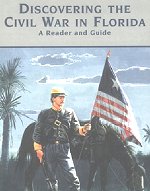 Discovering the Civil War in Florida: A Reader and Guide While Confederates fought to preserve their sovereignty and way of life, Union troops descended on Florida with a mission to cripple the Confederacy: to destroy seashore salt works, to prevent the transfer of supplies and raw materials into, and to seize slaves and cattle |
Kindle Available Civil War Curiosities: Strange Stories, Oddities, Events, and Coincidences |
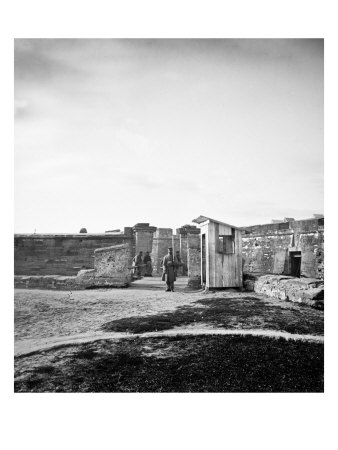
St. Augustine, FL, Ft. Marion Gate, Civil War 18 in. x 24 in. Buy at AllPosters.com Framed Mounted |
 Civil War Musket 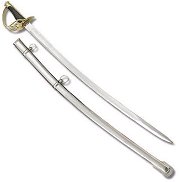 Cavalry Saber |
Florida State Battle Map State Battle Maps American Civil War Exhibits Civil War Timeline Confederate Commanders Union Generals Civil War Music History Women in the War Ships and Naval Battles Kids Zone Exhibits Civil War Cooking Civil War Summary |
 Civil War Soldier 102 Piece Playset
|
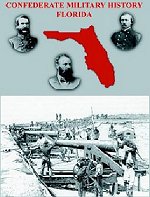 Confederate Military History of Florida The political and military events in the Confederacy's least-populated state during the American Civil War. It begins with the secession of the Florida in January 1861 and continues through the actions at Santa Rosa Island, the Battle of Olustee, and the engagement at Natural Bridge. |
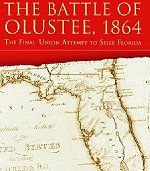 The Battle of Olustee 1864: The Final Union Attempt to Seize Florida When the Civil War began in 1861, Florida although the third state to secede from the Union was of little strategic importance to North or South. By the end of 1863, this position had changed dramatically. For the struggling Confederacy, Florida had become a crucial source of supplies, most especially for the troops in Savannah and Charleston |
 Confederate Florida The Road to Olustee A campaign study and a quick history of Confederate Florida. The political and social undercurrents of the time, and sheds light on the complex circumstances of the fateful Union campaign. Particularly of interest are the great chapters on the blockade and raid strategy of the Federal forces |
Kindle Available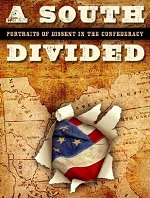 A South Divided: Portraits of Dissent in the Confederacy An account of Southern dissidents in the Civil War, at times labeled as traitors, Tories, deserters, or mossbacks during the war and loyalists, Lincoln loyalists, and Unionists by historians of the war |
Kindle Available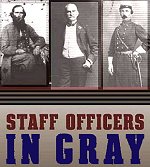 Staff Officers in Gray: A Biographical Register of the Staff Officers in the Army of Northern Virginia Profiles some 2,300 staff officers in Robert E. Lee's famous Army of Northern Virginia. A typical entry includes the officer's full name, the date and place of his birth and death, details of his education and occupation, and a synopsis of his military record. Two appendixes provide a list of more than 3,000 staff officers who served in other armies of the Confederacy and complete rosters of known staff officers of each general |
 Apostles of Disunion: Southern Secession Commissioners and the Causes of the Civil War In late 1860 and early 1861, state-appointed commissioners traveled the length and breadth of the slave South carrying a fervent message in pursuit of a clear goal: to persuade the political leadership and the citizenry of the uncommitted slave states to join in the effort to destroy the Union and forge a new Southern nation |
Kindle Available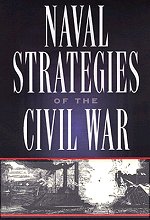 Naval Strategies of the Civil War: Confederate Innovations and Federal Opportunism Compare and contrast the strategies of the Southern Secretary of the Navy, Mallory, against his rival in the North, Welles. Mallory used technological innovation and the skill of individuals to bolster the South's seapower against the Union Navy's superior numbers |
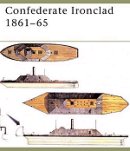 Confederate Ironclad 1861-65 Every aspect of Confederate ironclads is covered: design, construction, armor, armament, life on board, strategy, tactics, and actual combat actions. |
 The Last Confederate The Story of Robert Adams Great historically correct movie of a noble confederate and his undying love of a Yankee girl. |
 Civil War Terror Tales of hidden conspiracies of terror that specifically targeted the civilian populations. Engineers of chemical weapons, new-fangled explosives and biological warfare competed |
 The Civil War: To the Finish: Sherman and the March to the Sea After 3 years of battles, a Union general captured Atlanta and decided to change the course of the war for good. That general was William Tecumseh Sherman |
 The Last Days of the Civil War - Biography: Abraham Lincoln & Robert E. Lee, Civil War Journal: Jefferson Davis In-depth profiles that series--illuminate the personalities at the heart of the conflict: Abraham Lincoln, Jefferson Davis, and Robert E. Lee |
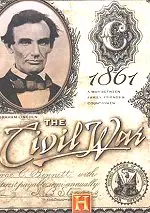 History Channel Presents The Civil War From Harper's Ferry, Fort Sumter, and First Bull Run to Shiloh, Antietam, and Gettysburg. The most legendary Civil War battles in brilliant detail. A selection of the soldiers and legendary leaders. |
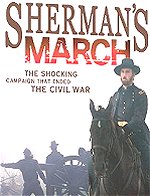 History Channel Presents Sherman's March In November 1864, Sherman and an army of 60,000 troops began their month-long march from Atlanta to Savannah. Burning crops, destroying bridges and railroads, and laying waste to virtually everything in his path |
 History's Mysteries - Human Bondage The story of Africans forcibly enslaved and shipped to America is a well-known tale; yet, it is just one tragic episode in the saga of world slavery. For nearly 6,000 years of recorded history, conquerors have imprisoned their enemies and forced them to act as laborers |
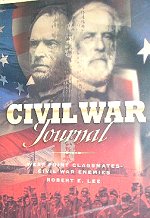 Civil War Journal, West Point Classmates - Civil War Enemies, Robert E. Lee Beyond the pages of history and into the personal stories behind the Great Conflict |
|
Books Civil War Womens Subjects Young Readers Military History DVDs Confederate Store Civil War Games Music CDs Reenactors |
