|
|
|
|
 The Railroads of the Confederacy The story of the first use of railroads on a major scale in a major war. A complex and fascinating tale, with the railroads of the American South playing the part of tragic hero in the Civil War: at first vigorous though immature; then overloaded, driven unmercifully, starved for iron; and eventually worn out |
 The Northern Railroads in the Civil War, 1861-1865 Account of the impact of the railroads on the American Civil War and vice versa. How the North was helped to victory through its effective use of the rails, also how the war changed the way railroads were built, run and financed after the war. |
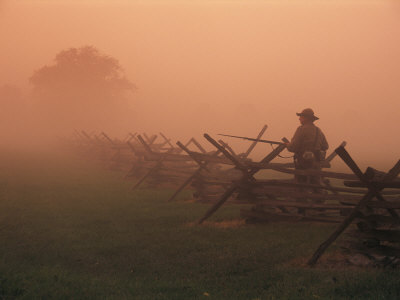 The Civil War Battlefield at New Market, Virginia Photographic Print 24 in. x 18 in. Buy at AllPosters.com Framed Mounted |
 Civil War Musket Wood & Steel Frontier Rifle Designed After The Original Rifle 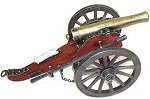 Civil War Cannon Collectible Models and childrens playsets Miniature Collectible Civil War Cannon12 pound Civil War field cannon replica |
Virginia State Battle Map 1864 State Battle Maps Ships and Naval Battles Civil War Submarines Appomattox Courthouse President Abraham Lincoln Confederate Commanders American Civil War Exhibits Civil War Summary Women Civil War Soldiers Reenactors Supplies |
 Civil War Soldier 102 Piece Playset
|
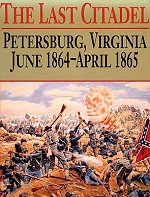 |
The Last Citadel: Petersburg, Virginia, June 1864-April 1865 The Author canvases the whole 292-day campaign for Petersburg and Richmond. Trudeau salts his narrative with healthy doses of official testimony and soldiers' personal accounts to create a brisk documentary flavor of campfire and war council. In minute detail he covers every clod of Virginia soil trod by Grant and Lee in the final days of the war. His telling of the horrors of the Crater and his vignettes of officers are compelling, but overall Trudeau fails to show how Petersburg was "the South's Gethsemane." The author writes about battles more than the Southern soul or the politics of war. Still, he dashes several myths about Petersburg--that Lee's army was starved and hopelessly outnumbered--and provides one of the most arresting narratives of any Civil War campaign. |
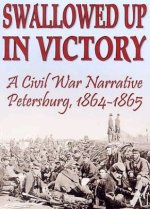 |
Swallowed Up in Victory: A Civil War Narrative, Petersburg, 1864-1865 Written with a meticulous attention to its historical background and context, Lee Passarella's Swallowed Up In Victory: A Civil War Narrative Petersburg, 1864-1865 is an engrossing novel of the final year of the American Civil War, centering on the bloody attacks waged on Petersburg through the surrender at Appomattox. The letters and journal entries of a group of fictitious people swept up by the turmoil of war make for a unique story that feels as real and vivid as if the writings had been rescued from forgotten family records. A compelling Civil War story, Swallowed Up In Victory is enthusiastically recommended for historical fiction readers in general, and Civil War history buffs in particular. |
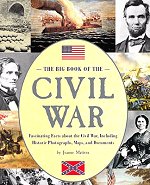 The Big Book of the Civil War Fascinating Facts About the Civil War, Including Historic Photographs, Maps, and Documents |
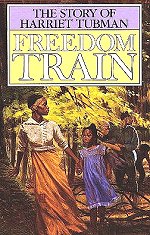 Freedom Train: The Story of Harriet Tubman Harriet escaped North, by the secret route called the Underground Railroad. Harriet didn't forget her people. Again and again she risked her life to lead them on the same secret, dangerous journey. |
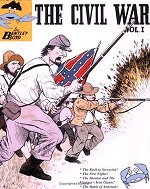 Civil War Volume 1 Chester Comix with Content From the pages of the Daily Press in Newport News, Virginia comes Chester the Crab to teach kids about our country's past in colorful and witty comic books from the creative pen of Bentley Boyd. In the Civil War Volume 1 the War Between the States begins as the South secedes, the first fights break out, the Iron Giants clash and Antietam occurs. |
Kindle Available A Yankee Girl at Fort Sumter Tale of a girl and her family from Boston living in Charleston, SC during the months leading up to the beginning of the Civil War by the attack on Fort Sumter. The reader senses the inhunanity of slavery through Sylvia's experiences. |

