|
|
|
|
 Feminism and Suffrage: The Emergence of an Independent Women's Movement in America, 1848-1869 In the two decades since Feminism and Suffrage was first published, the increased presence of women in politics and the gender gap in voting patterns have focused renewed attention on an issue generally perceived as nineteenth-century |
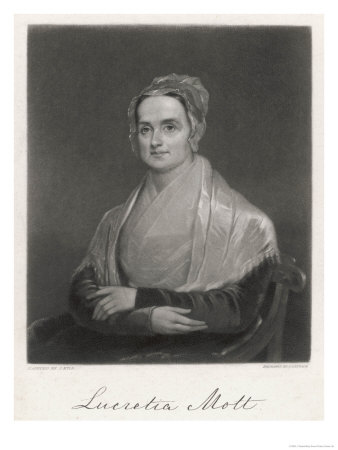 Lucretia Mott American Reformer Wife of a Quaker Minister Slavery Abolitionist 18 in. x 24 in. Buy at AllPosters.com |
|
Selected Letters of Lucretia Coffin Mott An invaluable resource on an extraordinary woman, these selected letters reveal the incisive mind, clear sense of mission, and level-headed personality that made Lucretia Coffin Mott a natural leader and a major force in nineteenth-century American life. |
Dedicated to reform of almost every kind--temperance, peace, equal rights, woman suffrage, nonresistance, and the abolition of slavery--Mott viewed woman's rights as only one element of a broad-based reform agenda for American society. A founder and leader of many antislavery organizations, including the racially integrated American Antislavery Society and the Philadelphia Female Anti-slavery Society, she housed fugitive slaves, maintained lifelong friendships with such African-American colleagues as Harriet Tubman and Sojourner Truth, and agitated to bring her fellow Quakers into consensus on taking a stand against slavery.
|
Kindle Available The Grimke Sisters from South Carolina: Pioneers for Women's Rights and Abolition A landmark work of women's history originally published in 1967, Gerda Lerner's best-selling biography of Sarah and Angelina Grimke explores the lives and ideas of the only southern women to become antislavery agents in the North and pioneers for women's rights. This revised and expanded edition includes two new primary documents and an additional essay by Lerner. In a revised introduction Lerner reinterprets her own work nearly forty years later and gives new recognition to the major significance of Sarah Grimke's feminist writings A landmark work of women's history originally published in 1967, Gerda Lerner's best-selling biography of Sarah and Angelina Grimke explores the lives and ideas of the only southern women to become antislavery agents in the North and pioneers for women's rights. This revised and expanded edition includes two new primary documents and an additional essay by Lerner. In a revised introduction Lerner reinterprets her own work nearly forty years later and gives new recognition to the major significance of Sarah Grimke's feminist writings |
Kindle Available You Want Women to Vote, Lizzie Stanton? Grade 3-6. Fritz applies her gift for creating engaging, thorough historical literature to a larger-than-life historical figure. Stanton was a radical among radicals, and this objective depiction of her life and times, as well as her work for women's rights, makes readers feel invested in her struggle. An appealing, full-page black-and-white drawing illustrates each chapter. For students who need a biography, this title should fly off the shelves with a minimum of booktalking. And it is so lively that it is equally suitable for leisure reading.? |
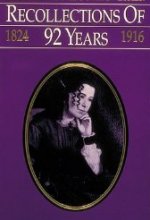 Recollections of 92 Years, 1824-1916 When the indomitable Meriwether was banned from her home by Union soldiers because her husband was a Confederate officer, she spent the next two years bartering for food and shelter for herself and her three young sons. After the war, Meriwether embarked on a decades-long career as an author and advocate for the equality of women, keeping up the crusade until her death in 1916--the year congressional support for women's suffrage emerged. |
Civil War Women
Women Civil War Soldiers
Womens Sufferage
Civil War Music History
Colored Troop Pictures
Civil War Picture Album
Documents of the War
Kids Zone Causes of the War
Kids Zone Underground Railroad
Civil War Exhibits
Civil War Timeline
State Battle Maps
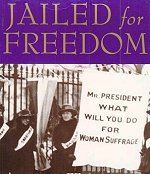 Jailed for Freedom by: Doris Stevens Dramatic documentation of women's struggle to win the vote is brought to light by a firsthand witness who reveals, among other facts, the imprisonment, vilification and brutality women experienced during their fight |
 The Vanderbilt Women: Dynasty of Wealth, Glamour and Tragedy The fascinating lives of three generations of Vanderbilt women who dominated New York society from the middle of the eighteenth century through the twentieth. Of special interest are the discovery of unpublished letters |
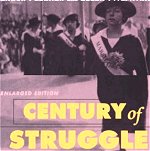 Century of Struggle: The Womans Rights Movement Young suffragists who helped forge the last links in that chain were not born when it began. Old suffragists who forged the first links were dead when it ended. It is doubtful if any man, even among suffrage men, ever realized what the suffrage struggle came to mean to women |
Feminism and Suffrage: The Emergence of an Independent Women's Movement in America, 1848-1869 In the two decades since Feminism and Suffrage was first published, the increased presence of women in politics and the gender gap in voting patterns have focused renewed attention on an issue generally perceived as nineteenth-century |
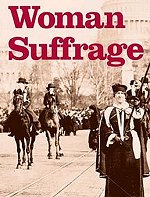 The Concise History of Woman Suffrage: Selections from History of Woman Suffrage, by Elizabeth Cady Stanton, Susan B. Anthony, Matilda Joslyn Gage, and the National American Woman Suffrage Association |
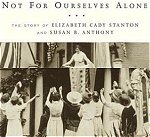 Not For Ourselves Alone: The Story of Elizabeth Cady Stanton and Susan B. Anthony Two heroic women who vastly bettered the lives of a majority of American citizens. For more than fifty years they led the public battle to secure for women the most basic civil rights and helped establish a movement that would revolutionize American society |
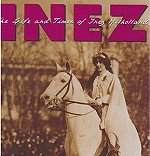 Inez The Life and Times of Inez Milholland |
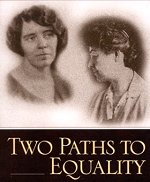 Two Paths to Equality: Alice Paul and Ethel M. Smith in the Era Debate, 1921-1929 Amy E. Butler expertly deals with the ERA, Equal Rights Amendment, and two of the more important figures in the early ERA debate. |
Sources:
U.S. Library of Congress
U.S. National Park Service
Federal Citizen

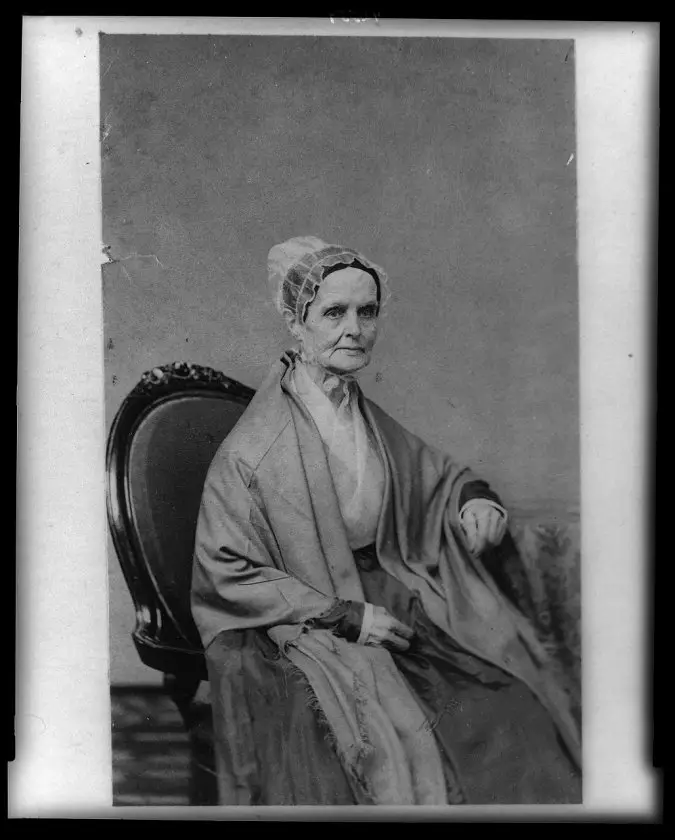 participated in many of the reform movements of the day including abolition , temperance , and pacifism. Most importantly, however, she inaugurated the woman suffrage movement .