
 Jubal's Raid: General Early's Famous Attack on Washington in 1864 General Grant was hammering at the gates of Richmond and the Confederacy seemed doomed. In a bold and desperate stroke, General Lee countered by sending General. Early and a force of only twelve thousand men toward Washington, D.C. | Folck's Mill |
 Season of Fire: The Confederate Strike on Washington The Confederacy's last effort to do something meaningful by trying to attacked Washington DC. The Confederate forces came pretty close to success. The battle at Monocacy River and fighting in the District of Columbia where President Lincoln came under fire at Fort Stevens |
|
 Desperate Engagement: How a Little-Known Civil War Battle Saved Washington, D.C., and Changed American History A full-field engagement between 12,000 battle-hardened Confederate troops led by Early, and some 5,800 Union troops, many of them untested in battle |
Kindle Available Civil War Curiosities: Strange Stories, Oddities, Events, and Coincidences |
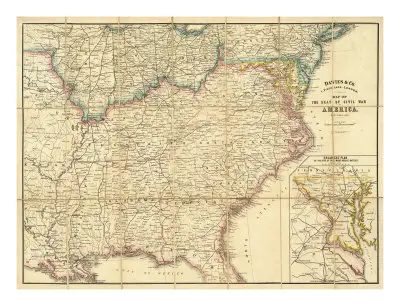
Map of the Seat of Civil War In America, c.1862 Giclee Print 48 in. x 36 in. $169.99 Buy at AllPosters.com Framed |
 Civil War Union Cavalry: 25 Piece Set
|
Maryland State Battle Map State Battle Maps Battles by Campaign American Civil War Exhibits Civil War Timeline Women in the War Civil War Submarines Civil War Cooking Civil War Picture Album Reenactors Row Supplies |
 Confederate Army Civil War Collectibles High quality, intricately detailed, hand-painted and phthalate free |
 A southern star for Maryland: Maryland and the secession crisis, 1860-1861 Maryland did not freely choose to remain in the Union at the outbreak of the Civil War, this book argues: the state was held by brute force. A colorful account of the dilemmas faced by Marylanders in the crisis as seen from the Southern point of view. |
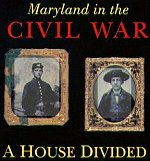 Maryland In The Civil War After Fort Sumter, the Lincoln administration could ill afford to lose Maryland, especially its principal city Baltimore, site of the first blood spilled when a mob attacked the Sixth Massachusetts Regiment. Maryland was the site of the greatest single day's carnage in American |
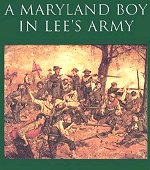 A Maryland Boy in Lee's Army: Personal Reminiscences of a Maryland Soldier in the War between the States, 1861-1865 Young George Wilson Booth followed the call of the Confederacy and served four years in the Army of Virginia. During the days of the successes at Manassas battles and in the Peninsula to the Valley |
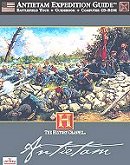 Antietam Expedition Guide Indespensible asset for understanding the battle that resulted in America's bloodiest day. The automated and time-scaled troup movement maps helps to grasp the scope and scale of the conflict |
|||||||||||||||||||||||||||||||||||||||||||||||||||||||||||||||||||||||||||||||||||||||||||||||||||||||||||||||||||||||||||||||||||||||||||||||||||||||||||||||||||||||||||||||||||||||||||||||||||||||||||||||||||||||||||||||||||||||||||||||||||||||||||||||||||||||||||||||||||||||||||||||||||||||||||||||||||||||||||||||||||||||||||||||||||||||||||||||||||||||||||||||||||||||||||||||||||||||||||||||||||||||||||||||||||||||||||||||||||||||||||||||||||||||||||||||||||||||||||||||||||||||||||||||||||||||||||||||||||||||||||||||||||||||||||||||||||||||||||||||||||||||||||||||||||||||||||||||||||||||||||||||||||||||||||||||||||||||||||||||||||||||||||||||||||||||||||||||||||||||||||||||||||||||||||||||||||||||||||||||||||||||||||||||||||||||||||||||||||||||||||||||||||||||||||||||||||||||||||||||||||||||||||||||||||||||||||||||||||||||||||||||||||||||||||||||||||||||||||||||||||||||||||||||||||||||||||||||||||||||||||||||||||||||||||||||||||||||||||||||||||||||||||||||||||||||||||||||||||
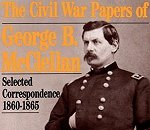 The Civil War Papers Of George B. Mcclellan: Selected Correspondence, 1860-1865 General-in-chief of the entire Union army at one point, he led the Army of the Potomac through the disaster at Antietam Creek, was subsequently dismissed by Lincoln, and then ran against him in the 1864 presidential campaign. This collection of McClellan's candid letters about himself, his motivations, and his intentions |
 George B. McClellan and Civil War History: In the Shadow of Grant and Sherman The complex general who, though gifted with administrative and organizational skills, was unable and unwilling to fight with the splendid army he had created. In this book, Rowland presents a framework in which early Civil War command can be viewed without direct comparison to the final two years of the war |
 Too Afraid to Cry: Maryland Civilians in the Antietam Campaign The children, women, and men living in the village of Sharpsburg and on surrounding farms. The dramatic experiences of these Maryland citizens, stories that have never been told, and also examines the political web holding together Unionists and Secessionists, many of whom lived under the same roofs |
Kindle Available The Illustrated Battle Cry of Freedom The Civil War Era Published in 1988 to universal acclaim, this single-volume treatment of the Civil War quickly became recognized as the new standard in its field. James M. McPherson, who won the Pulitzer Prize for this book, impressively combines a brisk writing style with an admirable thoroughness. He covers the military aspects of the war in all of the necessary detail, and also provides a helpful framework describing the complex economic, political, and social forces behind the conflict. Perhaps more than any other book, this one belongs on the bookshelf of every Civil War buff. |
|||||||||||||||||||||||||||||||||||||||||||||||||||||||||||||||||||||||||||||||||||||||||||||||||||||||||||||||||||||||||||||||||||||||||||||||||||||||||||||||||||||||||||||||||||||||||||||||||||||||||||||||||||||||||||||||||||||||||||||||||||||||||||||||||||||||||||||||||||||||||||||||||||||||||||||||||||||||||||||||||||||||||||||||||||||||||||||||||||||||||||||||||||||||||||||||||||||||||||||||||||||||||||||||||||||||||||||||||||||||||||||||||||||||||||||||||||||||||||||||||||||||||||||||||||||||||||||||||||||||||||||||||||||||||||||||||||||||||||||||||||||||||||||||||||||||||||||||||||||||||||||||||||||||||||||||||||||||||||||||||||||||||||||||||||||||||||||||||||||||||||||||||||||||||||||||||||||||||||||||||||||||||||||||||||||||||||||||||||||||||||||||||||||||||||||||||||||||||||||||||||||||||||||||||||||||||||||||||||||||||||||||||||||||||||||||||||||||||||||||||||||||||||||||||||||||||||||||||||||||||||||||||||||||||||||||||||||||||||||||||||||||||||||||||||||||||||||||||||
U.S. National Park Service
U.S. Library of Congress.
|
Books Civil War Womens Subjects Young Readers Military History DVDs Confederate Store Civil War Games Music CDs Reenactors |
