|
|
|
|
 First Ladies of the Civil War Mary Todd Lincoln and Varina Davis Book TitleJefferson Davis: Ex-President of the Confederate States of America : A Memoir by His Wife |
Civil War Women
Women Civil War Soldiers
Womens Sufferage
Civil War Music History
Colored Troop Pictures
Civil War Picture Album
Documents of the War
Kids Zone Causes of the War
Kids Zone Underground Railroad
Civil War Exhibits
Civil War Timeline
State Battle Maps
Civil War Store
 Alice Paul and the American Suffrage Campaign An analysis of Paul's nonviolent and visual rhetorical strategies, Alice Paul and the American Suffrage Campaign narrates the remarkable story of the first person to picket the White House, the first to attempt a national political boycott, the first to burn the president in effigy, and the first to lead a successful campaign of nonviolence |
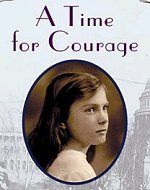 A Time For Courage: The Suffragette Diary of Kathleen Bowen Kat Bowen is living in Washington D.C. during the woman's fight for the vote. Her mother is among the woman picketing the White House Her own views and opinions during this time. She supports her mother but at the same time worries about how women picketing are being treated |
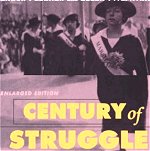 Century of Struggle: The Womans Rights Movement Young suffragists who helped forge the last links in that chain were not born when it began. Old suffragists who forged the first links were dead when it ended. It is doubtful if any man, even among suffrage men, ever realized what the suffrage struggle came to mean to women |
 Feminism and Suffrage: The Emergence of an Independent Women's Movement in America, 1848-1869 In the two decades since Feminism and Suffrage was first published, the increased presence of women in politics and the gender gap in voting patterns have focused renewed attention on an issue generally perceived as nineteenth-century |
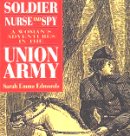 Memoirs of a Soldier, Nurse and Spy: A Woman's Adventures in the Union Army On April 25, 1861, Sarah Emma Edmonds alias Frank Thompson became a male nurse in Company F, of the 2nd Michigan Volunteer Infantry Regiment. This is 'his' story |
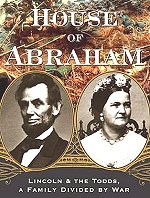 House of Abraham: Lincoln and the Todds, A Family Divided by War Mary Todd Lincoln one of fourteen siblings who were split between the Confederacy and the Union. Three of her brothers fought, and two died, for the South. Several Todds bedeviled Lincolns administration with their scandalous behavior |
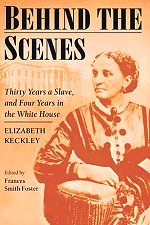 Behind the Scenes: Thirty Years a Slave, and Four Years in the White House This is a memior written by a woman who started life as a slave, then managed to buy her freedom, and later set up a successful living as a seamstress, eventually going to work for Mary Todd Lincoln in the White House |
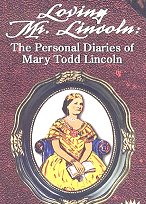 Loving Mr. Lincoln: The Personal Diaries of Mary Todd Lincoln Chronicles life, love, and daily struggles with Abraham in their 26 years together. In frank, haunting journal entries, Mary describes the pain she felt when Abraham left her at the altar, when her sons died, and when Abraham's political career seemed to be at an end |
 The Civil War - A Film by Ken Burns Here is the saga of celebrated generals and ordinary soldiers, a heroic and transcendent president and a country that had to divide itself in two in order to become one |
 Uncle Toms Cabin DVD also features a detailed and informative essay by historian David Pierce, an extensive collection of stills, promotional materials, and music cue sheets, and details of cuts made to the film, including two deleted scenes that are among the best moments the film has to offer |
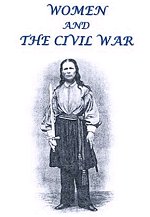 Women And The Civil War The many contributions of women in both the North and South are presented in this program describing their roles on and near the momentous battles of the American Civil War |
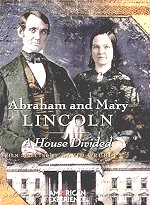 American Experience - Abraham and Mary Lincoln: A House Divided Abraham Lincoln's legacy as the Great Emancipator reshaped the nation while his tragic death left Mary reclusive and forgotten. |
 The Last Confederate: The Story of Robert Adams Great historically correct movie of a noble confederate and his undying love of a Yankee girl. |
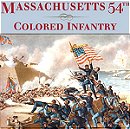 American Experience: The Massachusetts 54th Colored Infantry After Lincoln signed the Emancipation Proclamation, the governor of Massachusetts was authorized to raise the first northern black regiment, the Massachusetts 54th colored infantry. |
 Gettysburg / Gods and Generals The tide of the war changes during three fierce days of combat at Gettysburg [Disc 1] the gripping saga of the tactics command errors and sacrifices behind the bloodiest battle ever fought on U.S. soil. Gods and Generals [Disc 2] reveals the spirited allegiances and fierce combat of earlier Civil War struggles |
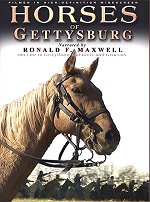 Horses of Gettysburg Civil War Minutes Filmed in high definition with charging horses, battlefield panoramas and no "talking heads," this cinematic documentary tells the story of the estimated 72,000 horses and mules that fought at the Battle of Gettysburg and uncovers the strategies employed to ensure that the millions of animals in service with the North and South remained healthy and well-trained for action. |