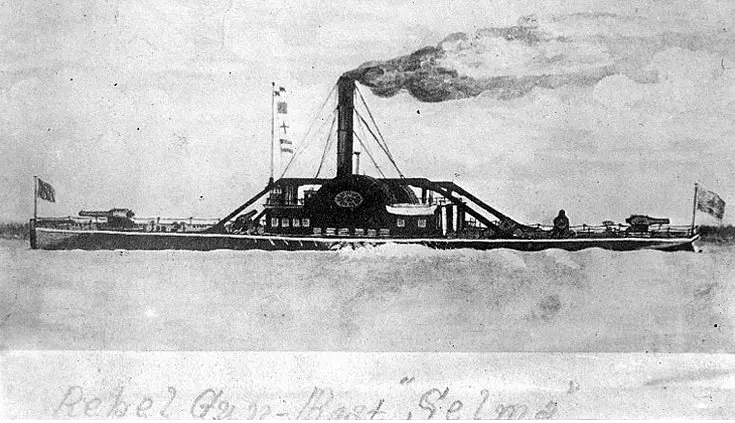
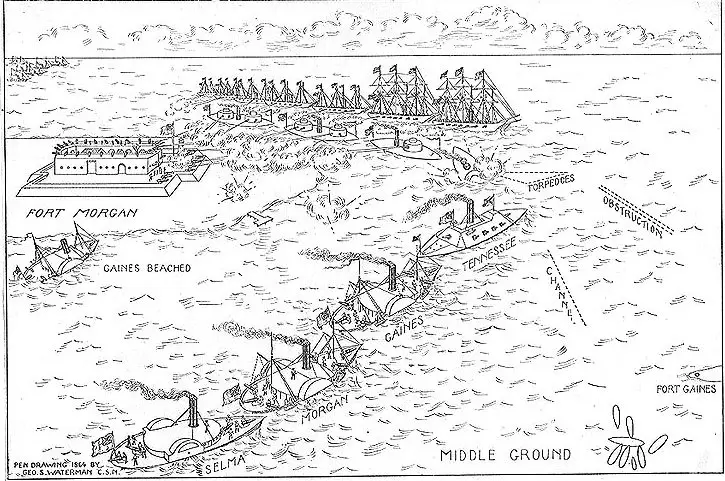
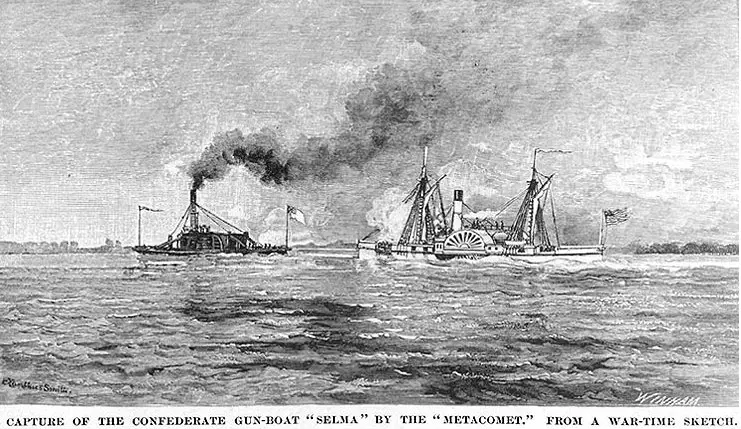
CSS Selma (1861-1864), named Florida in 1861-62.
|
 Blockaders, Refugees, and Contrabands: Civil War on Florida'S Gulf Coast, 1861-1865 Coastal Florida had a refugee crisis as the war progressed. Escaped slaves ("contrabands") sought out the blockaders. Some joined the U.S. Navy. White men and their families sought to avoid conscription or vengeful neighbors/regulators and eventually sought refuge with the blockaders 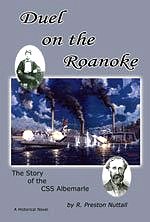 Duel on the Roanoke - The True Story of the CSS Albemarle A 158-foot Confederate ironclad ship built in a cornfield 90 miles up North Carolina's Roanoke River, under the direction of an 18-year-old boy, and the deadly cat-and-mouse game between the two opposing captains. Kindle Available  Wolf of the Deep: Raphael Semmes and the Notorious Confederate Raider CSS Alabama In July 1862, the Confederate captain Raphael Semmes received orders to report to Liverpool, where he would take command of a secret new British-built steam warship. 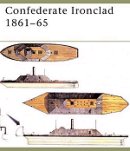 Confederate Ironclad 1861-65 Every aspect of Confederate ironclads is covered: design, construction, armor, armament, life on board, strategy, tactics, and actual combat actions. |
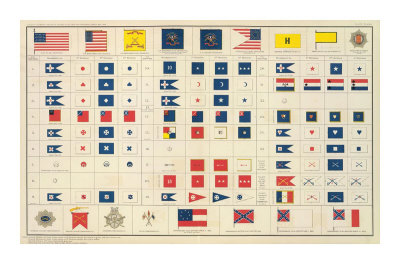 Civil War: Flags, Badges, c.1895 40 in. x 26 in. Buy at AllPosters.com Framed |
|
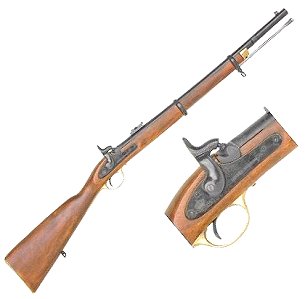 1860 Enfield Civil War Musketoon This piece is a full-size non-firing reproduction of the rifle used in the Civil War. The body is made of European hardwood 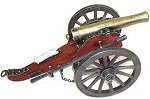 Civil War Cannon Collectible Models and childrens playsets Miniature Collectible Civil War Cannon12 pound Civil War field cannon replica weapon |
Civil War Ships and Battles Civil War Submarines RAM Ships Civil War Naval Timeline American Civil War Exhibits State Battle Maps Civil War Summary Civil War Timeline Women in the Civil War Battles by Campaign |
 Sid Meier's Civil War Collection Take command of either Confederate or Union troops and command them to attack from the trees, rally around the general, or do any number of other realistic military actions.  History Channel Civil War A Nation Divided Rally the troops and organize a counterattack -- Your strategic decision and talent as a commander will decide if the Union is preserved or if Dixie wins its independence |
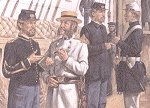 American Civil War Marines 1861-65 Marines wearing blue and grey fought in many dramatic actions afloat and ashore – ship-to-ship engagements, cutting-out expeditions, and coastal landings. This book offers a comprehensive summary of all such battles, illustrated with rare early photographs |
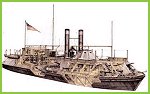 Union River Ironclad 1861-65 At the start of the American Civil War, neither side had warships on the Mississippi River. In what would prove the vital naval campaign of the war, both sides fought for control of the river. While the Confederates relied on field fortifications and small gunboats, the Union built a series of revolutionary river ironclads |
Kindle Available Raising the Hunley: The Remarkable History and Recovery of the Lost Confederate Submarine For more than a century the fate of the Hunley remained one of the great unsolved mysteries of the Civil War. Then, on August 8, 2000, with thousands of spectators crowding Charleston Harbor, the Hunley was raised from the bottom of the sea and towed ashore. |
 The Story of the H.L. Hunley During the Civil War, Union forces blockade the port of Charleston so the Confederate army seeks a way to attrack the Yankee Ships. George Dixon is part of the group of men given the task of creating and building the "fish boat," a submarine. The H.L. Hunley ultimately sets out on its mission to sink Yankee ships, but fails to return, its whereabouts unknown. |
 Halls of Honor The U.S. Navy Museum takes you on an informed and entertaining romp through one of North America s oldest and finest military museums. The museum has been in continuous operation at the Washington Navy Yard since the American Civil War |
 Raise The Alabama She was known as "the ghost ship." During the Civil War, the CSS Alabama sailed over 75,000 miles and captured more than 60 Union vessels. But her career came to an end in June of 1864 when she was sunk by the USS Kearsarge off the coast of Northern France |
 The Civil War - A Film by Ken Burns Here is the saga of celebrated generals and ordinary soldiers, a heroic and transcendent president and a country that had to divide itself in two in order to become one |
 Civil War Journal The Conflict Begins These four programs from the History Channel series Civil War Journal cover critical aspects of the early days of the war. |
American Military Gear Recruiter and History
United States Marines gear history and support of Semper Fi Fund
United States Army History Timeline
Sources:
U.S. National Park Service
U.S. Library of Congress
US Naval Archives