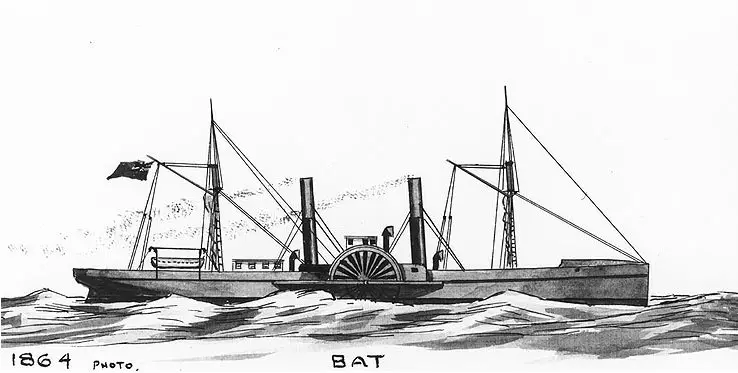
Steamship Bat (Blockade Runner, 1864).
|
Kindle Available Wolf of the Deep: Raphael Semmes and the Notorious Confederate Raider CSS Alabama In July 1862, the Confederate captain Raphael Semmes received orders to report to Liverpool, where he would take command of a secret new British-built steam warship.  Midshipman in Gray: Selections from Recollections of a Rebel Reefer |
|
|
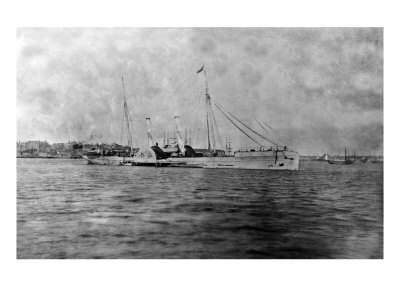
Fort Monroe, VA, Blockade Runner Teaser, Civil War 24 in. x 18 in. Buy at AllPosters.com Framed Mounted |
|
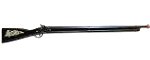 Civil War Musket Wood & Steel Frontier Rifle Designed After The Original Rifle 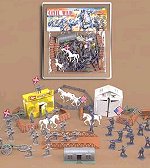 72 Piece Civil War Army Men Play Set 52mm Union and Confederate Figures, Bridge, Horses, Canon
|
Civil War Ships and Battles Civil War Submarines RAM Ships Civil War Naval Timeline American Civil War Exhibits State Battle Maps Civil War Summary Civil War Timeline Women in the Civil War Battles by Campaign |
 History Channel Civil War Secret Missions There are about a half-dozen different small arms types, but the Henry is the best for rapid repeating fire and least reloading. The shotgun they give you is useless: you must aim spot-on to affect an enemy, so why not just use the rifle? Grenades are useful at times. 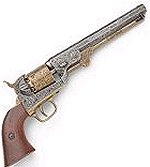 Civil War Model 1851 Naval Pistol |
 American Civil War Marines 1861-65 Marines wearing blue and grey fought in many dramatic actions afloat and ashore – ship-to-ship engagements, cutting-out expeditions, and coastal landings. This book offers a comprehensive summary of all such battles, illustrated with rare early photographs |
 Union River Ironclad 1861-65 At the start of the American Civil War, neither side had warships on the Mississippi River. In what would prove the vital naval campaign of the war, both sides fought for control of the river. While the Confederates relied on field fortifications and small gunboats, the Union built a series of revolutionary river ironclads |
Kindle Available Raising the Hunley: The Remarkable History and Recovery of the Lost Confederate Submarine For more than a century the fate of the Hunley remained one of the great unsolved mysteries of the Civil War. Then, on August 8, 2000, with thousands of spectators crowding Charleston Harbor, the Hunley was raised from the bottom of the sea and towed ashore. |
 The Story of the H.L. Hunley During the Civil War, Union forces blockade the port of Charleston so the Confederate army seeks a way to attrack the Yankee Ships. George Dixon is part of the group of men given the task of creating and building the "fish boat," a submarine. The H.L. Hunley ultimately sets out on its mission to sink Yankee ships, but fails to return, its whereabouts unknown. |
American Military Gear Recruiter and History
United States Marines gear history and support of Semper Fi Fund
Sources:
U.S. National Park Service
U.S. Library of Congress
US Naval Archives