
CSS Albemarle
Civil War Confederate Ironclad Ram
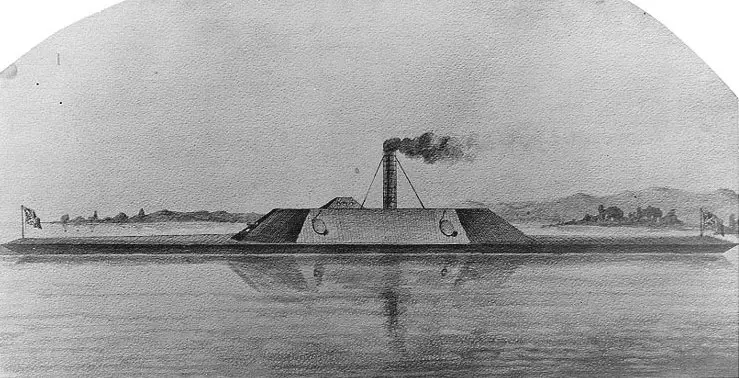
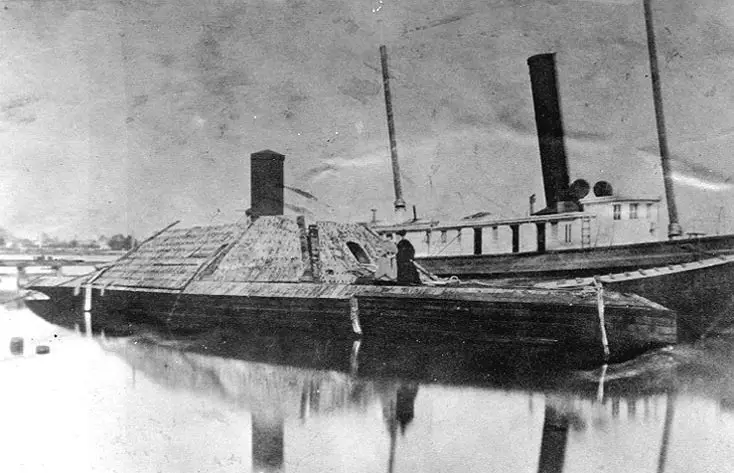
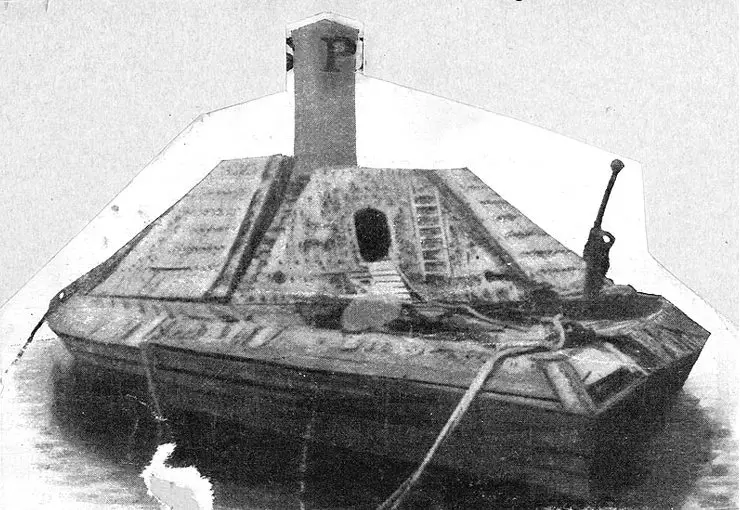
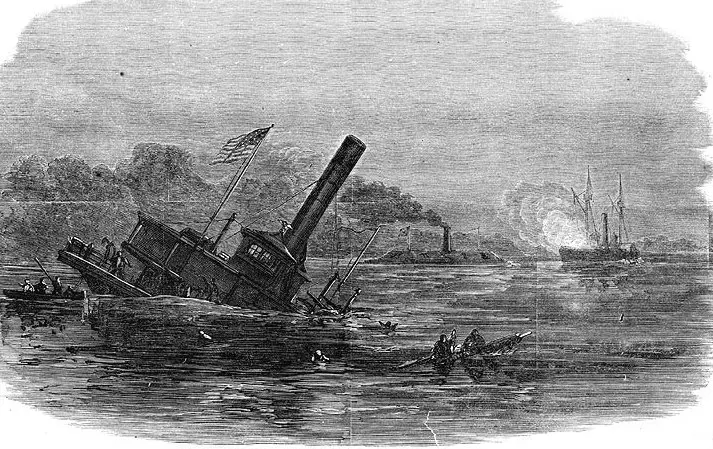
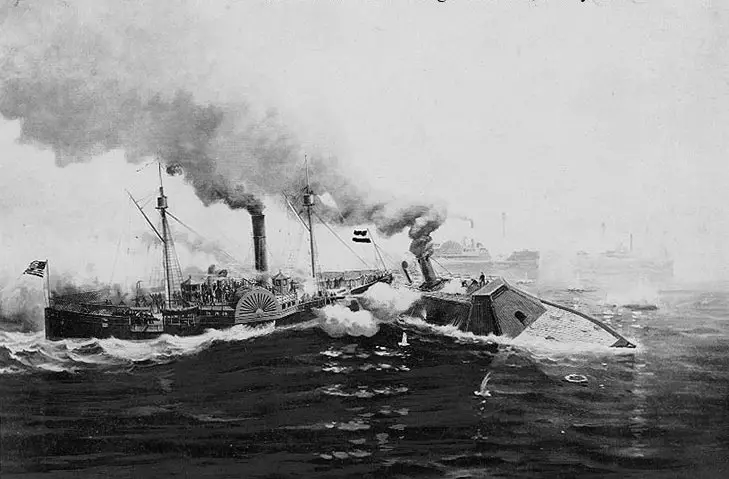
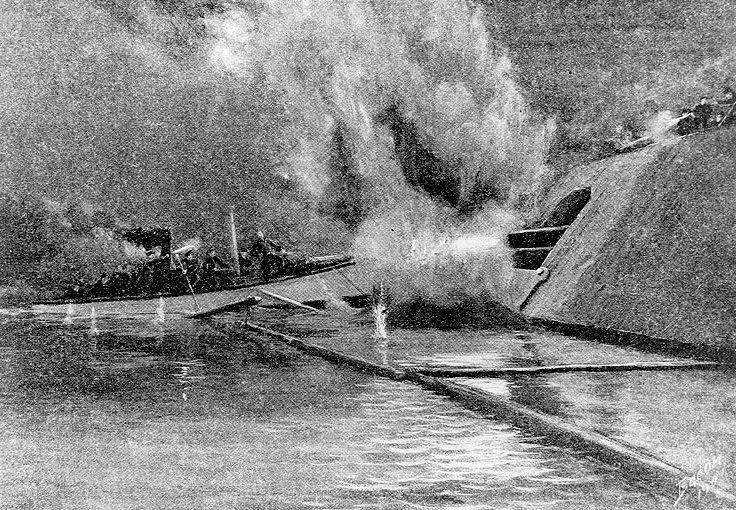
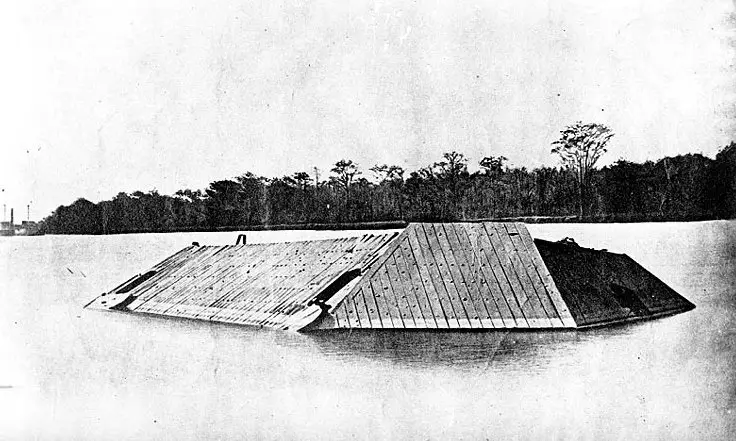
CSS Albemarle (1864-1864)CSS Albemarle , a relatively small ironclad ram, was built at Edwards Ferry, North Carolina. Commissioned in April 1864 under the command of Commander J.W. Cooke , CSN, she almost immediately went into action. On 19 April 1864, Albemarle attacked U.S. ships off Plymouth, N.C., sinking USS Southfield and driving away USS Miami and two other gunboats. With their waterborne communications severed, the Union forces were forced to surrender Plymouth to the Confederates. Just over two weeks later, on 5 May, Albemarle , accompanied by the steamers Cotton Plant and Bombshell , steamed out into the North Carolina Sounds and attacked another U.S. Navy force, consisting of the "Double-ender" gunboats Sassacus , Wyalusing and Mattabesett , converted ferryboat Commodore Hull and small gunboat Ceres . Though Sassacus made a valiant attempt to sink the Albemarle by ramming, she was badly damaged in return. The Confederate ironclad was but lightly damaged in the engagement, which threatened the entire Union position on North Carolina's internal waters. Desperate circumstances yield desperate responses, and on the night of 27-28 October 1864, Lieutenant William B. Cushing , USN, took the torpedo boat Picket Boat Number One upriver to Plymouth and bravely attacked Albemarle at her berth, sinking her with a spar torpedo. Following the Union recapture of the town, Albemarle was refloated. Taken to the Norfolk Navy Yard in April 1865, she remained there until sold in October 1867. 19th Century photographic reproduction of an artwork CSS Albemarle at the Norfolk Navy Yard, Virginia, after salvage, circa 1865. |
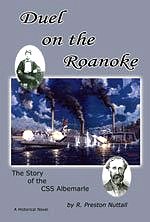 Duel on the Roanoke - The True Story of the CSS Albemarle A 158-foot Confederate ironclad ship built in a cornfield 90 miles up North Carolina's Roanoke River, under the direction of an 18-year-old boy, and the deadly cat-and-mouse game between the two opposing captains. Kindle Available  Wolf of the Deep: Raphael Semmes and the Notorious Confederate Raider CSS Alabama In July 1862, the Confederate captain Raphael Semmes received orders to report to Liverpool, where he would take command of a secret new British-built steam warship.  Confederate Ironclad 1861-65 Every aspect of Confederate ironclads is covered: design, construction, armor, armament, life on board, strategy, tactics, and actual combat actions. |


|
|
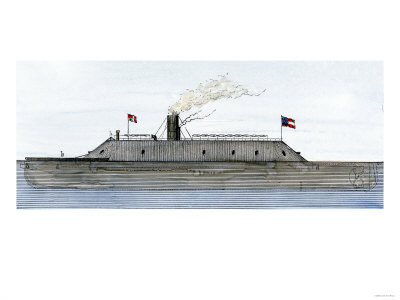 Confederate Ironclad Merrimac, c.1862 24 in. x 18 in. Buy at AllPosters.com Framed Mounted |
 Ironclad of the Roanoke Gilbert Elliott's Albemarle The story of a Confederate Ironcald that was a powerful force until sunk by a Union Torpedo Boat after its brief stormy life. Ironic in the fact it was built in a Cornfield. Confederate Ingenunity at it finest!  Ironclads and Big Guns of the Confederacy : The Journal and Letters of John M. Brooke Information about the Confederate Navy's effort to supply its fledgling forces, the wartime diaries and letters of John M. Brooke tell the neglected story of the Confederate naval ordnance office, its innovations, and its strategic vision. Kindle Available  Raising the Hunley: The Remarkable History and Recovery of the Lost Confederate Submarine For more than a century the fate of the Hunley remained one of the great unsolved mysteries of the Civil War. Then, on August 8, 2000, with thousands of spectators crowding Charleston Harbor, the Hunley was raised from the bottom of the sea and towed ashore.  The Civil War on Hatteras Island North Carolina New light on the experiences of Civil War soldiers stationed on the Outer Banks. It follows the crucial maritime battles along the Outer Banks and the famous Burnsides Expedition. Aa fascinating history of how one of America's most treasured islands played a significant part in the Civil War |
Halftone reproduction of a photograph taken after the ship was salvaged, 1865 Engraving published in "Harper's Weekly", May 1864, depicting CSS Albemarle driving off USS Miami , after ramming and sinking USS Southfield (foreground), 19 April 1864. U.S.S. Sassacus and C.S.S. Albemarle Cushings Daring and Successful Exploit Sunk off Plymouth, North Carolina, circa 1865. She had been sunk on 27-28 October 1864 by a torpedo boat. |
 1860 Enfield Civil War Musketoon This piece is a full-size non-firing reproduction of the rifle used in the Civil War. The body is made of European hardwood  Civil War Cannon Collectible Models and childrens playsets Miniature Collectible Civil War Cannon12 pound Civil War field cannon replica weapon |
Civil War Ships and Battles Civil War Submarines RAM Ships Civil War Naval Timeline American Civil War Exhibits State Battle Maps Civil War Summary Civil War Timeline Women in the Civil War Battles by Campaign |
 Sid Meier's Civil War Collection Take command of either Confederate or Union troops and command them to attack from the trees, rally around the general, or do any number of other realistic military actions.  History Channel Civil War A Nation Divided Rally the troops and organize a counterattack -- Your strategic decision and talent as a commander will decide if the Union is preserved or if Dixie wins its independence |
Kindle Available Confederate Ironclad vs Union Ironclad: Hampton Roads 1862 The Ironclad was a revolutionary weapon of war. Although iron was used for protection in the Far East during the 16th century, it was the 19th century and the American Civil War that heralded the first modern armored self-propelled warships. Release date Nov. 2008 |
 Year on a Monitor and the Destruction of Fort Sumter Personal view of the Civil War Navy. The monitor saw action in several significant naval assaults by the Union's Squadron. It took part in the failed Federal attack on Sumter in April 1863. The "Nahant" also participated in the capture of the Confederate Ram "Atlanta," and in the assault on Fort Wagner |
 Blockaders, Refugees, and Contrabands: Civil War on Florida'S Gulf Coast, 1861-1865 Coastal Florida had a refugee crisis as the war progressed. Escaped slaves ("contrabands") sought out the blockaders. Some joined the U.S. Navy. White men and their families sought to avoid conscription or vengeful neighbors/regulators and eventually sought refuge with the blockaders |
 War, Technology, and Experience aboard the USS Monitor The experience of the men aboard the Monitor and their reactions to the thrills and dangers that accompanied the new machine. The invention surrounded men with iron and threatened their heroism, their self-image as warriors, even their lives |
|||||||||||||||||||||||||||||||||||||||||||||||||||||||||||||||||||||||||||||||||||||||||||||||||||||||||||||||||||||||||||||||||||||||||||||||||||||||||||||||||||||||||||||||||||||||||||||||||||||||||||||||||||||||||||||||||||||||||||||||||||||||||||||||||||||||||||||||||||||||||||||||||||||||||||||||||||||||||||||||||||||||||||||||||||||||||||||||||||||||||||||||||||||||||||||||||||||||||||||||||||||||||||||||||||||||||||||||||||||||||||||||||||||||||||||||||||||||||||||||||||||||||||||||||||||||||||||||||||||||||||||||||||||||||||||||||||||||||||||||||||||||||||||||||||||||||||||||||||||||||||||||||||||||||||||||||||||||||||||||||||||||||||||||||||||||||||||||||||||||||||||||||||||||||||||||||||||||||||||||||||||||||||||||||||||||||||||||||||||||||||||||||||||||||||||||||||||||||||||||||||||||||||||||||||||||||||||||||||||||||||||||||||||||||||||||||||||||||||||||||||||||||||||||||||||||||||||||||||||||||||||||||||||||||||||||||||||||||||||||||||||||||||||||||||||||||||||||||||
 Life in Mr. Lincoln's Navy A tantalizing glimpse into the hardships endured by the naval leadership to build and recruit a fighting force. The seaman endured periods of boredom, punctuated by happy social times and terrifying bouts of battle horror |
Kindle Available Glory in the Name: A Novel of the Confederate Navy From Norfolk to Hampton Roads, from Roanoke Island to the nighttime battle on the river below New Orleans, Glory in the Name tells the story of the Confederate States Navy, and the brave men who carried forward against overwhelming odds |
 Ironclad Down: USS Merrimack-CSS Virginia from Design to Destruction A treasure trove of detailed information about one of history s most famous vessels. Describing Stephen Russell Mallory, John Mercer Brooke, John Luke Porter, et al.--who conceived, designed and built one of the world's first ironclads |
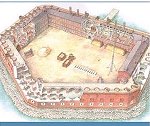 American Civil War Fortifications Coastal Brick and Stone Forts The design, construction and operational history of fortifications, such as Fort Sumter, Fort Morgan and Fort Pulaski. Stone and brick forts stretched from New England to the Florida Keys, and as far as the Mississippi River. A handful of key sites remained in Union hands throughout the war, the remainder had to be won back through bombardment or assault. |
|||||||||||||||||||||||||||||||||||||||||||||||||||||||||||||||||||||||||||||||||||||||||||||||||||||||||||||||||||||||||||||||||||||||||||||||||||||||||||||||||||||||||||||||||||||||||||||||||||||||||||||||||||||||||||||||||||||||||||||||||||||||||||||||||||||||||||||||||||||||||||||||||||||||||||||||||||||||||||||||||||||||||||||||||||||||||||||||||||||||||||||||||||||||||||||||||||||||||||||||||||||||||||||||||||||||||||||||||||||||||||||||||||||||||||||||||||||||||||||||||||||||||||||||||||||||||||||||||||||||||||||||||||||||||||||||||||||||||||||||||||||||||||||||||||||||||||||||||||||||||||||||||||||||||||||||||||||||||||||||||||||||||||||||||||||||||||||||||||||||||||||||||||||||||||||||||||||||||||||||||||||||||||||||||||||||||||||||||||||||||||||||||||||||||||||||||||||||||||||||||||||||||||||||||||||||||||||||||||||||||||||||||||||||||||||||||||||||||||||||||||||||||||||||||||||||||||||||||||||||||||||||||||||||||||||||||||||||||||||||||||||||||||||||||||||||||||||||||||
American Military Gear Recruiter and History
United States Marines gear history and support of Semper Fi Fund
Sources:
U.S. National Park Service
U.S. Library of Congress
US Naval Archives
|
Books Civil War Womens Subjects Young Readers Military History DVDs Confederate Store Civil War Games Music CDs Reenactors |
