Flag Officer D. G. Farragut was appointed to command the Western Gulf Blockading Squadron -- the beginning of the New Orleans campaign.
16 January
Seven armored river gunboats were commissioned, thus providing the naval force for the overwhelming combined operations in the west.
Naval forces under Flag Officer A. H. Foote captured strategic Fort Henry on the Tennessee River. This breached the Confederate line and opened the flood gates for the flow of Union power deep into the South.
7-8 February
Joint amphibious expedition under Flag Officer L. M. Goldsborough and Brigadier General A. E. Burnside captured Roanoke Island -- the key to Albemarle Sound.
Gunboats under Flag Officer A. H. Foote attacked Fort Donelson on the Cumberland River in conjunction with troops under Brigadier General U. S. Grant. The fort capitulated on 16 February.
3 March
Forces under Flag Officer S. F. Du Pont took Fernandina, Florida, and the surrounding area in joint operations against the South Atlantic coast.
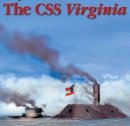
Ironclad ram CSS Virginia , Captain F. Buchanan, destroyed wooden blockading ships USS Cumberland and Congress in Hampton Roads.
USS Monitor , Lieutenant J. L. Worden, engaged CSS Virginia , Lieutenant C. ap R. Jones, in the historic first battle of ironclads.
Joint amphibious assault under Commander S. C. Rowan and Brigadier General A. E. Burnside captured New Bern, North Carolina -- "an immense depot of army fixtures and manufactures, of shot and shell...''
17 March
CSS Nashville , Lieutenant R. B. Pegram, ran the blockade out of Beaufort, North Carolina -- a "Bull Run of the Navy.''
4 April
USS Carondelet , Commander H. Walke, dashed past Confederate batteries on Island No. 10 to support Major General J. Pope's assault on the island.
7 April
Island No. 10, vital to the Confederate defense of the upper Mississippi, surrendered to the naval forces of Flag Officer A. H. Foote.
Flag Officer D. G. Farragut's fleet ran past Forts Jackson and St. Philip, destroyed the defending Confederate flotilla below New Orleans, and, next day, compelled the surrender of the South's largest and wealthiest city.
10 May
Confederates destroyed the Norfolk and Pensacola Navy Yards in actions caused by the forced Southern withdrawal from her coasts.
11 May
CSS Virginia was blown up by her crew off Craney Island to prevent her capture by advancing Union forces.
The James River Flotilla under Commander J. Rodgers advanced unsupported to within eight miles of Richmond before being turned back at Drewry's Bluff by batteries manned in part by Confederate Navy and Marine personnel.
Gunboats under Captain C. H. Davis and rams under Colonel C. R. Ellet Jr., destroyed the upper Mississippi portion of the Confederate River Defense Fleet under Captain J. E. Montgomery at the Battle of Memphis. The Tennessee city surrendered.
28 June
Flag Officer D. G. Farragut's fleet successfully passed the heavy Vicksburg batteries; three days later, 1 July, his forces were joined by those of Flag Officer C. H. Davis: the fresh and salt-water fleets met for the first time.
Flag Officer L. M. Goldsborough's fleet covered the withdrawal of Major General G. B. McClellan's army after the battle of Malvern Hill.
15 July
CSS Arkansas , Lieutenant I. N. Brown, engaged and ran through the Union fleet above Vicksburg, partially disabling USS Carondelet and Tyler .
16 July
David Glasgow Farragut promoted to Rear Admiral, the first officer to hold that rank in the history of the U.S. Navy.
24 August
Commander R. Semmes assumed command of celebrated raider CSS Alabama .
26 August
Franklin Buchanan promoted to Admiral, ranking officer in the Confederate Navy.
USS Kensington and Rachel Seaman and mortar schooner Henry James bombarded Sabine City, Texas, and forced Confederate troops to withdraw from the city.
1 October
The Western Gunboat Fleet was transferred from the War Department to the Navy.
31 October
During October the Confederate Torpedo Bureau was established under Lieutenant H. Davidson, continuing work pioneered by Commander M. F. Maury.
3 November
CSS Cotton and shore batteries engaged Union squadron at Berwick Bay, Louisiana. The squadron suffered considerable damage before the gallant Confederate gunboat expended all its ammunition and was compelled to withdraw.
12 December
USS Cairo , Lieutenant Commander T. O. Selfridge, was sunk in the Yazoo River, the first ship to be destroyed by a Confederate torpedo.
31 December
USS Monitor , Commander J. P. Bankhead, foundered and was lost at sea off Cape Hatteras.
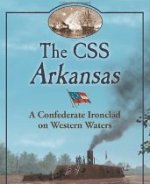
The CSS Arkansas: A Confederate Ironclad on Western Waters
While the Monitor and Merrimack are the most famous of the Civil War ironclads, the Confederacy had another ship in its flotilla that carried high hopes and a metal hull. The makeshift CSS Arkansas, completed by Lt. Isaac Newton Brown and manned by a mixed crew of volunteers, gave the South a surge of confidence when it launched in 1862.
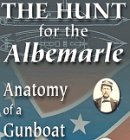
The Hunt for the Albemarle
Anatomy of a Gunboat War
The Confederate ironclad Albemarle was the key to the river wars in North Carolina. Flusser's search for this ship would determine the success or failure of the Union navy in securing the North Carolina coast and rivers.
Kindle Available
Naval Strategies of the Civil War: Confederate Innovations and Federal Opportunism
Compare and contrast the strategies of the Southern Secretary of the Navy, Mallory, against his rival in the North, Welles. Mallory used technological innovation and the skill of individuals to bolster the South's seapower against the Union Navy's superior numbers