|
|
|
|
Kindle Available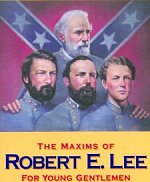 The Maxims Of Robert E. Lee For Young Gentlemen: Advice, Admonitions, and Anecdotes on Christian Duty and Wisdom from the Life of General Lee All his life, Robert E. Lee relied upon his faith for strength and guidance not only in troubled times, but also as the foundation upon which he based all of his dealings with others. |
Kindle Available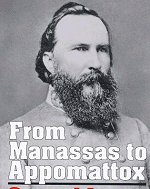 From Manassas to Appomattox General James Longstreet According to some, he was partially to blame for the Confederate defeat at Gettysburg; according to others, if Lee had followed Longstreet's advice, they would have won that battle. He has been called stubborn and vain; and he has been lauded as one of the greatest tacticians of the Civil War |
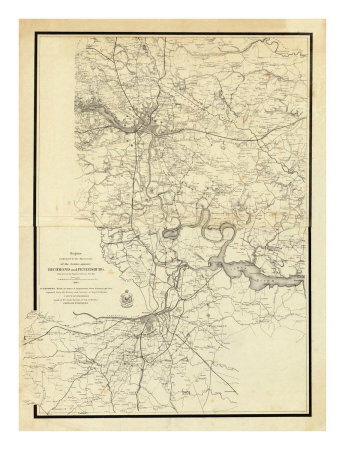 Operations of the Armies against Richmond and Petersburg 36.75 in. x 48 in $169.99. Buy at AllPosters.com Framed |
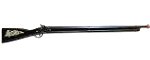 Civil War Musket Wood & Steel Frontier Rifle Designed After The Original Rifle 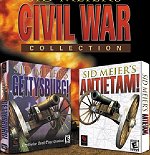 Sid Meier's Civil War Collection Take command of either Confederate or Union troops and command them to attack |
Virginia State Battle Map 1864 State Battle Maps Appomattox Courthouse American Civil War Exhibits Civil War Summary Civil War Timeline Confederate Commanders Union Generals Civil War Music History Ships and Naval Battles Women Civil War Soldiers Reenactors Row Supplies Documents of the Civil War |
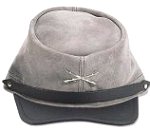 Civil War Confederate Suede Grey Kepi Hat 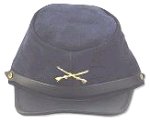 Civil War Union Suede Blue Kepi Hat |
Kindle Available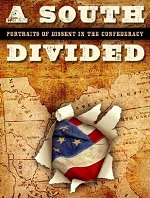 A South Divided: Portraits of Dissent in the Confederacy An account of Southern dissidents in the Civil War, at times labeled as traitors, Tories, deserters, or mossbacks during the war and loyalists, Lincoln loyalists, and Unionists by historians of the war |
Kindle Available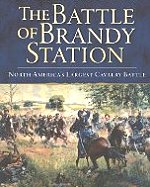 The Battle of Brandy Station North America's Largest Cavalry Battle Just before dawn on June 9, 1863, Union soldiers materialized from a thick fog near the banks of Virginia's Rappahannock River to ambush sleeping Confederates. The ensuing struggle, which lasted throughout the day, was to be known as the Battle of Brandy Station the largest cavalry battle ever fought on North American soil. |
Kindle Available Confederate Struggle For Command: General James Longstreet and the First Corps in the West A comprehensive analysis of Longstreet's leadership during his seven-month assignment in the Tennessee theater of operations. Mendoza concludes that the obstacles to effective command faced by Longstreet had at least as much to do with longstanding grievances and politically motivated prejudices as they did with any personal or military shortcomings |
Kindle Available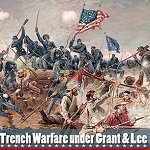 Trench Warfare under Grant and Lee: Field Fortifications in the Overland Campaign Narrative history of military operations in the Overland Campaign of May and June, 1864: the Wilderness, Spotsylvania, North Anna, and Cold Harbor. Describes Union and Confederate earthworks and how Grant and Lee used them in this new era of field entrenchments. |

