
Peebles' Farm
Poplar Springs Church, Wyatt's Farm
Civil War in Virginia
American Civil War
September 30-October 2, 1864
|
Kindle Available A. P. Hill: Lee's Forgotten General Biography of the Confederacy's long-neglected hero whom Lee ranked next to Jackson and Longstreet. Although the name and deeds ot this gallant Virginian conspicuously punctuate the record of every major campaign of the Army of Northern Virginia |
 George Gordon Meade and the War in the East |
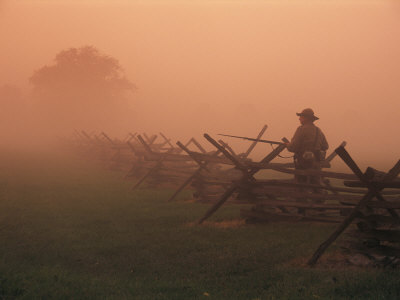 The Civil War Battlefield at New Market, Virginia Photographic Print 24 in. x 18 in. Buy at AllPosters.com Framed Mounted |
 Civil War Nurse Barbie Part of the American Stories Collection. |
Virginia State Battle Map 1864 State Battle Maps History of Colored Troops Appomattox Courthouse Women Civil War Soldiers Civil War Music Civil War Campaigns Ships and Naval Battles Civil War Timeline American Civil War Exhibits Confederate Commanders Documents of the Civil War |
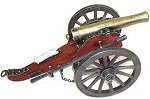 Civil War Cannon Collectible Models and childrens playsets Miniature Collectible Civil War Cannon12 pound Civil War field cannon replica weapon |
 Swallowed Up in Victory: A Civil War Narrative, Petersburg, 1864-1865 A narrative of the last year of the American Civil War, follows the action surrounding the first attacks on Petersburg through the surrender at Appomattox |
 The Last Citadel: Petersburg Virginia, June 1864-April 1865 The Siege of Petersburg was the prelude to the final chapter of our Nation's Civil War. The work is thoroughly researched with a plethora of primary sources incorporated right into the text |
Kindle Available The Shenandoah Valley Campaign of 1864 Shenandoah Valley of Virginia Campaign of 1864 lasted more than four months and claimed more than 25,000 casualties. The armies of Philip H. Sheridan and Jubal A. Early contended for immense stakes |
 Lee's Miserables: Life in the Army of Northern Virginia from the Wilderness to Appomattox The words of the soldiers themselves provide a view of the army's experiences in camp, on the march, in combat, and under siege—from the battles in the Wilderness to the final retreat to Appomattox. It sheds new light on such questions as the state of morale in the army, the causes of desertion, ties between the army and the home front |
|||||||||||||||||||||||||||||||||||||||||||||||||||||||||||||||||||||||||||||||||||||||||||||||||||||||||||||||||||||||||||||||||||||||||||||||||||||||||||||||||||||||||||||||||||||||||||||||||||||||||||||||||||||||||||||||||||||||||||||||||||||||||||||||||||||||||||||||||||||||||||||||||||||||||||||||||||||||||||||||||||||||||||||||||||||||||||||||||||||||||||||||||||||||||||||||||||||||||||||||||||||||||||||||||||||||||||||||||||||||||||||||||||||||||||||||||||||||||||||||||||||||||||||||||||||||||||||||||||||||||||||||||||||||||||||||||||||||||||||||||||||||||||||||||||||||||||||||||||||||||||||||||||||||||||||||||||||||||||||||||||||||||||||||||||||||||||||||||||||||||||||||||||||||||||||||||||||||||||||||||||||||||||||||||||||||||||||||||||||||||||||||||||||||||||||||||||||||||||||||||||||||||||||||||||||||||||||||||||||||||||||||||||||||||||||||||||||||||||||||||||||||||||||||||||||||||||||||||||||||||||||||||||||||||||||||||||||||||||||||||||||||||||||||||||||||||||||||||||
 To the North Anna River Grant and Lee, May 13-25, 1864 Spectacular narrative of the initial campaign between Ulysses S. Grant and Robert E. Lee in 1864. May 13 through 25, was critical in the clash between the Army of the Potomac and the Army of Northern Virginia. |
Kindle Available Lee's Endangered Left: The Civil War In Western Virginia, Spring Of 1864 Grant devised a plan of concerted action to bring down the Confederacy. He aimed to destroy General Lee's supply source for his Army in Western Virginia and to use military activity there as an extended turning movement to threaten Lee from the west |
 The Official Virginia Civil War Battlefield Guide Virginia was host to nearly 1/3rd of all Civil War engagements. This guide covers them all like a mini-history of the war. This guide organizes battles chronologically. Each campaign has a detailed overview, followed by concise descriptions of the individual engagements |
 In the Footsteps of Grant and Lee The Wilderness Through Cold Harbor For forty days, the armies fought a grinding campaign from the Rapidan River to the James River that helped decide the course of the Civil War. Several of the war's bloodiest engagements occurred in this brief period: the Wilderness, Spotsylvania Court House, the North Anna River, Totopotomoy Creek, Bethesda Church, and Cold Harbor |
|||||||||||||||||||||||||||||||||||||||||||||||||||||||||||||||||||||||||||||||||||||||||||||||||||||||||||||||||||||||||||||||||||||||||||||||||||||||||||||||||||||||||||||||||||||||||||||||||||||||||||||||||||||||||||||||||||||||||||||||||||||||||||||||||||||||||||||||||||||||||||||||||||||||||||||||||||||||||||||||||||||||||||||||||||||||||||||||||||||||||||||||||||||||||||||||||||||||||||||||||||||||||||||||||||||||||||||||||||||||||||||||||||||||||||||||||||||||||||||||||||||||||||||||||||||||||||||||||||||||||||||||||||||||||||||||||||||||||||||||||||||||||||||||||||||||||||||||||||||||||||||||||||||||||||||||||||||||||||||||||||||||||||||||||||||||||||||||||||||||||||||||||||||||||||||||||||||||||||||||||||||||||||||||||||||||||||||||||||||||||||||||||||||||||||||||||||||||||||||||||||||||||||||||||||||||||||||||||||||||||||||||||||||||||||||||||||||||||||||||||||||||||||||||||||||||||||||||||||||||||||||||||||||||||||||||||||||||||||||||||||||||||||||||||||||||||||||||||||
 Unconditional Surrender U. S. Grant and the Civil War This is the best juvenile biography on Ulysses S. Grant by a wide margin. Marrin has done an excellent job in introducing Grant to a young audience. I highly recommend it. |
Kindle Available The Civil War Introduces young readers to the harrowing true story of the American Civil War and its immediate aftermath. A surprisingly detailed battle-by-battle account of America's deadliest conflict ensues, culminating in the restoration of the Union followed by the tragic assassination of President Lincoln |
 A Ballad of the Civil War A wonderful chapter book for children that should help them to appreciate the fact that some people could not defend a person's right to own other people and to understand that sad era that ended in the "brothers' war." It has four chapters with a prologue and a closing author's note. The conversations that Tom has with the household slave "Uncle Roger" provide some unique insight into the dilemma that slaves faced in the antebellum South |
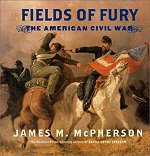 Fields of Fury The American Civil War Written for young readers a stirring account of the greatest conflict to happen on our nation's soil, the Civil War, bringing to life the tragic struggle that divided not only a nation, but also friends and family. well-organized, well-executed, kid-friendly history of the Civil War was a brilliant idea if there ever was one. It's difficult to imagine anyone doing a better job than McPherson at breaking down this complex, interrelated series of events. |
President Abraham Lincoln
Confederate President Jefferson Davis
Battle of Gettysburg
U.S. National Park Service
U.S. Library of Congress.
