
Kindle Available Advance And Retreat: Personal Experiences In The United States And Confederate States Armies John Bell Hood entered the Confederate Army at 29, loyal to Confederate Independence. He led his men into the battles of Second Manassas, Gaines's Mill, Sharpsburg, Fredericksburg, Gettysburg, and Chickamauga | Franklin TennesseeAmerican Civil War |
 The Confederacy's Last Hurrah: Spring Hill, Franklin, and Nashville John Bell Hood rallied his demoralized troops and marched them off the Tennessee, desperately hoping to draw Sherman after him and forestall the Confederacy's defeat |
|
 Where the South Lost the War: An Analysis of the Fort Henry-Fort Donelson Campaign The war probably could have been over in 1862 had Lieutenant Phelps destroyed the bridge at Florence. Not doing so provided a retreat for A. S. Johnston to move his men to Corinth and then to Shiloh |
 Struggle for the Heartland: The Campaigns from Fort Henry to Corinth The military campaign that began in early 1862 with the advance to Fort Henry and culminated in late May with the capture of Corinth, Mississippi. The first significant Northern penetration into the Confederate west |
Battle at Pittsburg Landing Art Print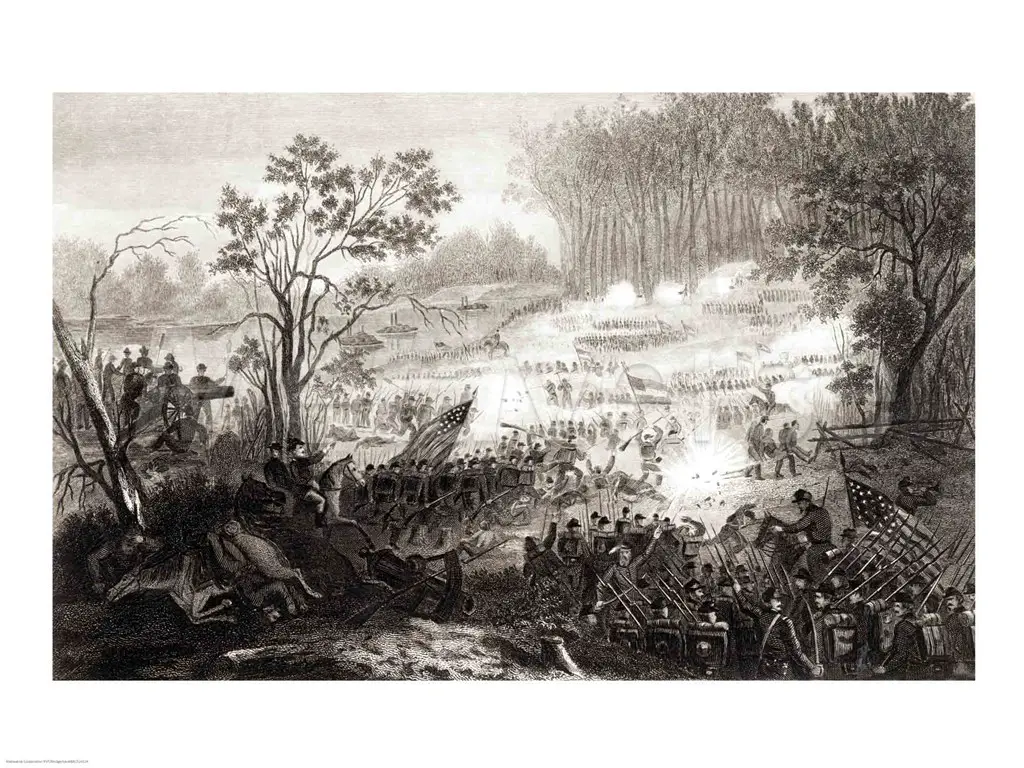 |
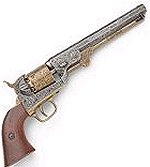 Civil War Model 1851 Naval Pistol Engraved Silver Tone / Gold Tone Finish and Wooden Grips - Replica of Revolver Used by Both USA / Union and CSA / Confederate Forces | Tennessee State Battle Map State Battle Maps American Civil War Exhibits Civil War Timeline Women in the War Civil War Summary Documents of the Civil War Civil War Cooking Civil War Submarines Kids Zone Causes of the War |  Civil War Soldier 102 Piece Playset
|
Kindle Available Standard Catalog of Civil War Firearms Over 700 photographs and a rarity scale for each gun, this comprehensive guide to the thousands of weapons used by Billy Yank and Johnny Reb will be indispensable for historians and collectors. |
Kindle Available Tennessee in the Civil War Selected Contemporary Accounts of Military and Other Events, Month by Month |
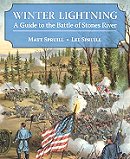 Winter Lightning: A Guide to the Battle of Stones River Lincoln thanked Rosecrans saying that the nation could not have taken another defeat. Additionally, Lincoln said he would remember this victory as long as he lived |
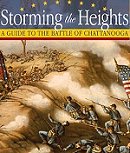 Storming the Heights: A Guide to the Battle of Chattanooga The Confederate victory of Chickamauga drove the Union Army of the Cumberland back to the key railroad hub of Chattanooga. In early October it had appeared that all Union gains in southern Tennessee might be lost |
|||||||||||||||||||||||||||||||||||||||||||||||||||||||||||||||||||||||||||||||||||||||||||||||||||||||||||||||||||||||||||||||||||||||||||||||||||||||||||||||||||||||||||||||||||||||||||||||||||||||||||||||||||||||||||||||||||||||||||||||||||||||||||||||||||||||||||||||||||||||||||||||||||||||||||||||||||||||||||||||||||||||||||||||||||||||||||||||||||||||||||||||||||||||||||||||||||||||||||||||||||||||||||||||||||||||||||||||||||||||||||||||||||||||||||||||||||||||||||||||||||||||||||||||||||||||||||||||||||||||||||||||||||||||||||||||||||||||||||||||||||||||||||||||||||||||||||||||||||||||||||||||||||||||||||||||||||||||||||||||||||||||||||||||||||||||||||||||||||||||||||||||||||||||||||||||||||||||||||||||||||||||||||||||||||||||||||||||||||||||||||||||||||||||||||||||||||||||||||||||||||||||||||||||||||||||||||||||||||||||||||||||||||||||||||||||||||||||||||||||||||||||||||||||||||||||||||||||||||||||||||||||||||||||||||||||||||||||||||||||||||||||||||||||||||||||||||||||||||
Kindle Available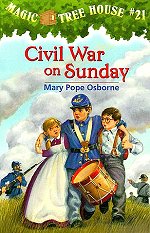 Civil War on Sunday Mary Pope Osborne's tremendously popular Magic Tree House series launches into a new realm, as Jack and Annie are challenged to save Camelot. Young readers will effortlessly learn the basics of Civil War history, while losing themselves in another gripping tale that has turned many a nonreader into a bookworm. (Ages 5 to 8) |
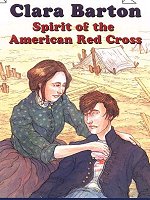 Clara Barton: Spirit of the American Red Cross Ready To Read - Level Three Clara Barton was very shy and sensitive, and not always sure of herself. But her fighting spirit and desire to help others drove her to become one of the world's most famous humanitarians. Learn all about the life of the woman who formed the American Red Cross. |
Kindle Available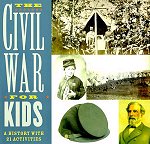 The Civil War for Kids History explodes in this activity guide spanning the turmoil preceding secession, the first shots fired at Fort Sumter, the fierce battles on land and sea, and finally the Confederate surrender at Appomattox. Making butternut dye for a Rebel uniform, learning drills and signals with flags, decoding wigwag, baking hardtack, reenacting battles, and making a medicine kit bring this pivotal period in our nation's history to life. |
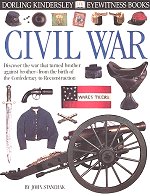 Eye Witness Civil War Eyewitness Civil War includes everything from the issues that divided the country, to the battles that shaped the conflict, to the birth of the reunited states. Rich, full-color photographs of rare documents, powerful weapons, and priceless artifacts plus stunning images of legendary commanders, unsung heroes, and memorable heroines |
|||||||||||||||||||||||||||||||||||||||||||||||||||||||||||||||||||||||||||||||||||||||||||||||||||||||||||||||||||||||||||||||||||||||||||||||||||||||||||||||||||||||||||||||||||||||||||||||||||||||||||||||||||||||||||||||||||||||||||||||||||||||||||||||||||||||||||||||||||||||||||||||||||||||||||||||||||||||||||||||||||||||||||||||||||||||||||||||||||||||||||||||||||||||||||||||||||||||||||||||||||||||||||||||||||||||||||||||||||||||||||||||||||||||||||||||||||||||||||||||||||||||||||||||||||||||||||||||||||||||||||||||||||||||||||||||||||||||||||||||||||||||||||||||||||||||||||||||||||||||||||||||||||||||||||||||||||||||||||||||||||||||||||||||||||||||||||||||||||||||||||||||||||||||||||||||||||||||||||||||||||||||||||||||||||||||||||||||||||||||||||||||||||||||||||||||||||||||||||||||||||||||||||||||||||||||||||||||||||||||||||||||||||||||||||||||||||||||||||||||||||||||||||||||||||||||||||||||||||||||||||||||||||||||||||||||||||||||||||||||||||||||||||||||||||||||||||||||||||
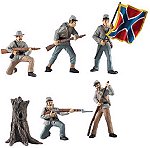
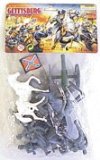 Gettysburg Playset 12 to 26 piece soldier play sets. Ages 6 and Up |
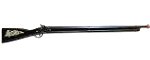 Civil War Musket Wood & Steel Frontier Rifle Designed After The Original Rifle, This Civil War Musket replica has been designed after the original rifle of its era. Measures approximately 37 inches long. Each is constructed with a solid one-piece wood stock, painted steel barrel and die-cast parts. |
|
12 Inch Action Figures 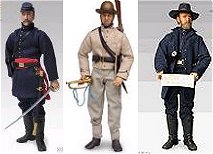
| |
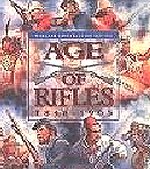 Wargame Construction Age of Rifles 1846 - 1905 Game lets you design and play turn-based strategic battles. You can create scenarios betwen years 1846 and 1905. You have complete control over all the units, and can customize their firepower, movement points, strength, aggressiveness, etc. Supports 1 or 2 players |
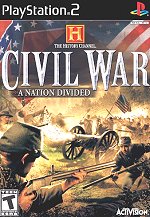 History Channel: Civil War A Nation Divided Rally the troops and organize a counterattack -- Your strategic decision and talent as a commander will decide if the Union is preserved or if Dixie wins its independence |
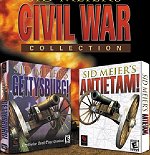 Sid Meier's Civil War Collection Take command of either Confederate or Union troops and command them to attack from the trees, rally around the general, or do any number of other realistic military actions. The AI reacts to your commands as if it was a real Civil War general, and offers infinite replayability. The random-scenario generator provides endless variations on the battles |
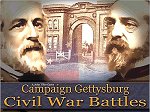 Campaign Gettysburg: Civil War Battles Campaign Gettysburg is simply the best of all the HPS Civil War games. While all of those are very good in their own right they simply do not compete with the level of detail presented here. Hundreds of scenarios and multiple OOBs are only the start, the best thing is the campaign game |
U.S. National Park Service
U.S. Library of Congress.
|
Books Civil War Womens Subjects Young Readers Military History DVDs Confederate Store Civil War Games Music CDs Reenactors |
