|
|
|
|
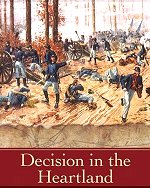 Decision in the Heartland The Civil War in the West The western campaigns cost the Confederacy vast territories, the manufacturing of Nashville, the financial center of New Orleans, communication hub Corinth, Chattanooga, and Atlanta, along with the breadbasket of the Confederacy. |
|
Kindle Available 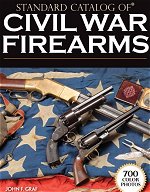 Standard Catalog of Civil War Firearms Over 700 photographs and a rarity scale for each gun, this comprehensive guide to the thousands of weapons used by Billy Yank and Johnny Reb will be indispensable for historians and collectors. |
Battle at Pittsburg Landing Art Print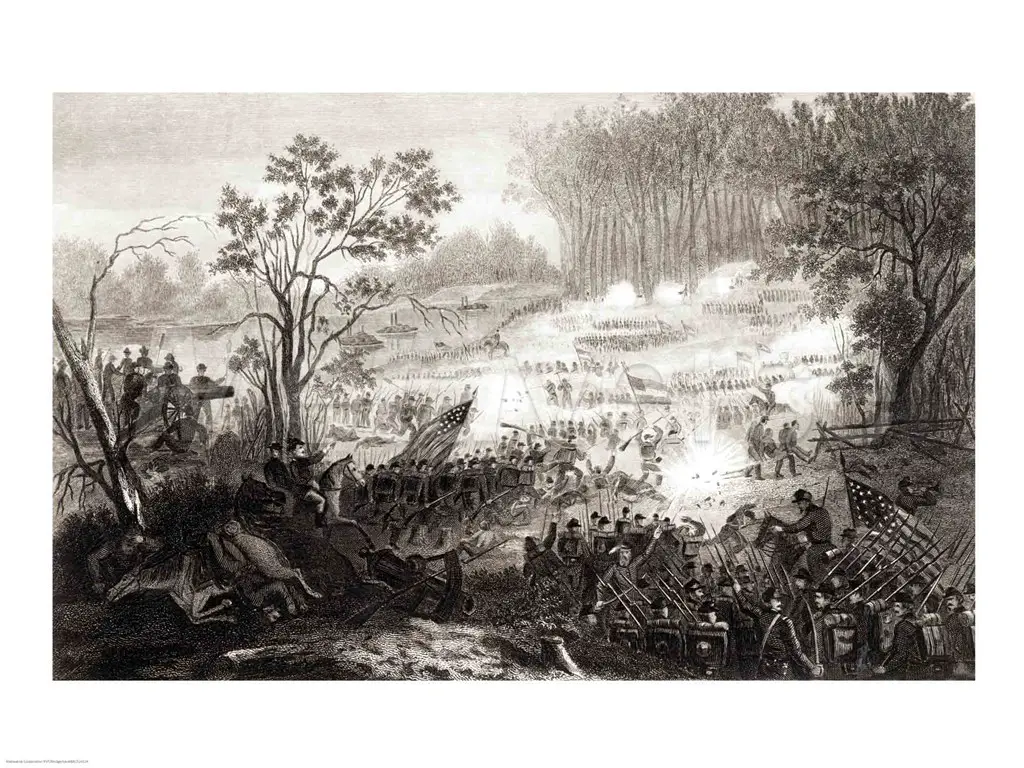 |
 Civil War Soldier 102 Piece Playset
|
Tennessee State Battle Map State Battle Maps American Civil War Exhibits Campaigns of the War Civil War Summary Documents of the Civil War Confederate Commanders Union Generals Civil War Timeline Women Civil War Soldiers Ships and Naval Battles Confederate Supplies |
|
| Cozzens follows up his magisterial account of the Battle of Chickamauga, This Terrible Sound (1992), with an equally authoritative study of the Chattanooga campaign that followed it. Braxton Bragg (who sometimes seems unfit to have been at large on the public streets, let alone commanding armies) failed to either destroy or starve out the Union Army of the Cumberland. In due course, superior Northern resources and strategy--not tactics; few generals on either side come out looking like good tacticians--progressively loosened the Confederate cordon around the city. Finally, the Union drove off Bragg's army entirely in the famous Battle of Missionary Ridge, which was a much more complex affair than previous, heroic accounts make it. Like its predecessor on Chickamauga, this is such a good book on Chattanooga that it's hard to believe any Civil War collection will need another book on the subject for at least a generation. | 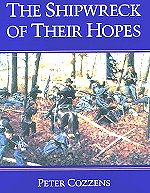 The Shipwreck of Their Hopes: The Battles for Chattanooga |
Women in the War
Civil War Cooking
Civil War Submarines
Kids Zone Causes of the War
|
Books Civil War Womens Subjects Young Readers Military History DVDs Confederate Store Civil War Games Music CDs Reenactors |