
Dover |
|
 Forts Henry and Donelson: The Key to the Confederate Heartland The front in Virginia was relatively narrow (Chesapeake Bay to Blue Ridge Mountains) while in Tennessee the front stretched hundreds of miles from the Mississippi River to the Appalachian Mountains. To cover this extensive area the Confederates had a much smaller force than in Virginia |
|
Kindle Available  Standard Catalog of Civil War Firearms Over 700 photographs and a rarity scale for each gun, this comprehensive guide to the thousands of weapons used by Billy Yank and Johnny Reb will be indispensable for historians and collectors. |
Battle at Pittsburg Landing Art Print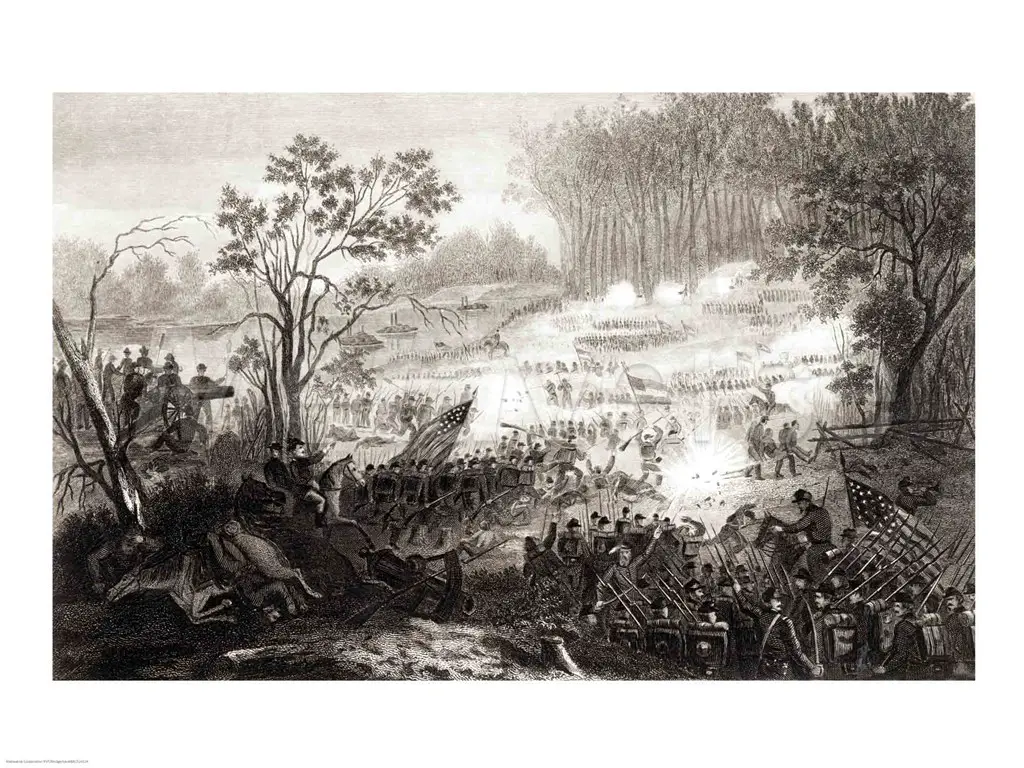 |
 Civil War Soldier 102 Piece Playset
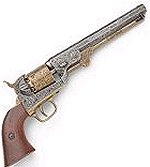 Civil War Model 1851 Naval Pistol Engraved Silver Tone / Gold Tone Finish and Wooden Grips - Replica of Revolver Used by Both USA / Union and CSA / Confederate Forces |
Tennessee State Battle Map State Battle Maps American Civil War Exhibits Campaigns of the War Civil War Summary Documents of the Civil War Confederate Commanders Union Generals Civil War Timeline Women Civil War Soldiers Ships and Naval Battles Confederate Supplies |
 Reliving the Civil War: A Reenactor's Handbook Excellent information on the reenacting hobby  Lodge Logic Camp Dutch Oven Large 8 quart cast iron oven. The legs are for ease of use in campfires. Flanged lid to place coals on top of oven. Great for stews, chilli, roasts (wild game) and complete recipes for everything including old-fashioned bread. A must for reenactors villages. |
Kindle Available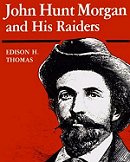 John Hunt Morgan and His Raiders The "Thunderbolt of the Confederacy" John Hunt Morgan from Tompkinsville, Kentucky to Greeneville, Tennessee. |
 The Partisan Rangers of the Confederate States Army: Memoirs of General Adam R. Johnson The capture of Newburg, Indiana, with only twelve men and two joints of stovepipe mounted on the running gear of a wagon. This episode won him a nickname of "Stovepipe." He was promoted to Brigadier General in June 1864 |
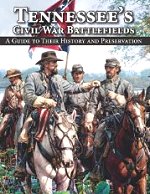 Tennessee's Civil War Battlefields: A Guide to Their History and Preservation Well researched, with detailed maps and photographs, this book allows you to follow General Forrest over his many engagements and march alongside the Army of Tennessee. |
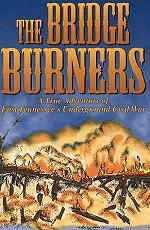 The Bridge Burners: A True Adventure of East Tennessee's Underground Civil War The railroad that proved such a peacetime boon would become a point of conflict only three years later |
|||||||||||||||||||||||||||||||||||||||||||||||||||||||||||||||||||||||||||||||||||||||||||||||||||||||||||||||||||||||||||||||||||||||||||||||||||||||||||||||||||||||||||||||||||||||||||||||||||||||||||||||||||||||||||||||||||||||||||||||||||||||||||||||||||||||||||||||||||||||||||||||||||||||||||||||||||||||||||||||||||||||||||||||||||||||||||||||||||||||||||||||||||||||||||||||||||||||||||||||||||||||||||||||||||||||||||||||||||||||||||||||||||||||||||||||||||||||||||||||||||||||||||||||||||||||||||||||||||||||||||||||||||||||||||||||||||||||||||||||||||||||||||||||||||||||||||||||||||||||||||||||||||||||||||||||||||||||||||||||||||||||||||||||||||||||||||||||||||||||||||||||||||||||||||||||||||||||||||||||||||||||||||||||||||||||||||||||||||||||||||||||||||||||||||||||||||||||||||||||||||||||||||||||||||||||||||||||||||||||||||||||||||||||||||||||||||||||||||||||||||||||||||||||||||||||||||||||||||||||||||||||||||||||||||||||||||||||||||||||||||||||||||||||||||||||||||||||||||
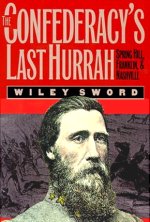 The Confederacy's Last Hurrah: Spring Hill, Franklin, and Nashville John Bell Hood rallied his demoralized troops and marched them off the Tennessee, desperately hoping to draw Sherman after him and forestall the Confederacy's defeat |
 Where the South Lost the War: An Analysis of the Fort Henry-Fort Donelson Campaign The war probably could have been over in 1862 had Lieutenant Phelps destroyed the bridge at Florence. Not doing so provided a retreat for A. S. Johnston to move his men to Corinth and then to Shiloh |
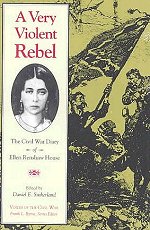 A Very Violent Rebel: The Civil War Diary of Ellen Renshaw House The Siege of Knoxville (November 1863) is covered and Sutherland's footnotes make for good historyl |
 The Untold Story of Shiloh: The Battle and the Battlefield Fought in south central Tennessee, north of Corinth, Mississippi, the battle showed the nation that the Civil War would be long and difficult. The Battle of Shiloh opened up the western Confederacy to the Union invasion that would ultimately prove its undoing |
|||||||||||||||||||||||||||||||||||||||||||||||||||||||||||||||||||||||||||||||||||||||||||||||||||||||||||||||||||||||||||||||||||||||||||||||||||||||||||||||||||||||||||||||||||||||||||||||||||||||||||||||||||||||||||||||||||||||||||||||||||||||||||||||||||||||||||||||||||||||||||||||||||||||||||||||||||||||||||||||||||||||||||||||||||||||||||||||||||||||||||||||||||||||||||||||||||||||||||||||||||||||||||||||||||||||||||||||||||||||||||||||||||||||||||||||||||||||||||||||||||||||||||||||||||||||||||||||||||||||||||||||||||||||||||||||||||||||||||||||||||||||||||||||||||||||||||||||||||||||||||||||||||||||||||||||||||||||||||||||||||||||||||||||||||||||||||||||||||||||||||||||||||||||||||||||||||||||||||||||||||||||||||||||||||||||||||||||||||||||||||||||||||||||||||||||||||||||||||||||||||||||||||||||||||||||||||||||||||||||||||||||||||||||||||||||||||||||||||||||||||||||||||||||||||||||||||||||||||||||||||||||||||||||||||||||||||||||||||||||||||||||||||||||||||||||||||||||||||
| By mid 1862, Union gains in the Mississippi Valley and in Tennessee and Kentucky had brought the Confederacy to a point of strategic crisis. This valuable addition to the growing literature on the Civil War in the West tells how the Union then failed to press home its advantage while the Confederacy failed to force Kentucky into the Confederacy. The climax of these events was the little-known Battle of Perryville, in which a greatly inferior Southern force under Braxton Bragg managed a draw against Don Carlos Buell's Union army but also effectively terminated the Confederate invasion of Kentucky. McDonough has researched thoroughly and written clearly, making this book informative and accessible to a wide range of Civil War students. |
| Cozzens follows up his magisterial account of the Battle of Chickamauga, This Terrible Sound (1992), with an equally authoritative study of the Chattanooga campaign that followed it. Braxton Bragg (who sometimes seems unfit to have been at large on the public streets, let alone commanding armies) failed to either destroy or starve out the Union Army of the Cumberland. In due course, superior Northern resources and strategy--not tactics; few generals on either side come out looking like good tacticians--progressively loosened the Confederate cordon around the city. Finally, the Union drove off Bragg's army entirely in the famous Battle of Missionary Ridge, which was a much more complex affair than previous, heroic accounts make it. Like its predecessor on Chickamauga, this is such a good book on Chattanooga that it's hard to believe any Civil War collection will need another book on the subject for at least a generation. |
 The Shipwreck of Their Hopes: The Battles for Chattanooga |
Women in the War
Civil War Cooking
Civil War Submarines
Kids Zone Causes of the War
U.S. National Park Service
U.S. Library of Congress.
