
Monroe's Cross Roads
Fayetteville Road, Blue's Farm
Civil War North Carolina
American Civil War
March 10, 1865
|
Kindle Available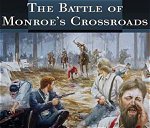 Battle of Monroe's Crossroads and the Civil War's Final Campaign Detailed tactical narrative of this important but long-forgotten battle, and places it in its proper context within the entire campaign. Author Eric Wittenberg study features 28 original maps and 50 illustrations. Finally, an author of renown has brought to vivid life this overlooked portion of the Carolinas Campaign. Kindle Available 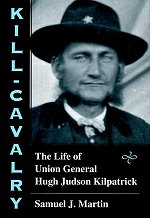 Kill-Cavalry: The Life of Union General Hugh Judson Kilpatrick Nicknamed "Kill-Cavalry" because of the unusually high casualty rate among his men, cavalry commander Hugh Judson Kilpatrick was also the most notorious scoundrel in the Union army. |
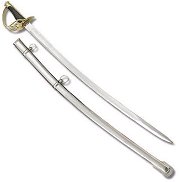 Cavalry Saber This fine replica is 39 inches overall and features a highly polished 33 inch carbon steel blade. Its leather wrapped handle fits the hand perfectly and sports decorative brass accents and a shiny brass pommel. |
North Carolina State Battle Map State Battle Maps American Civil War Exhibits Civil War Timeline Women in the War Civil War Picture Album Civil War Maps Confederate Commanders Civil War Submarines Kids Zone Gettysburg General Stonewall Jackson |
 Civil War Musket Wood & Steel Frontier Rifle Designed After The Original Rifle 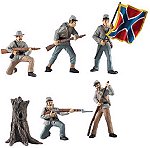 Confederate Army Civil War Collectibles |
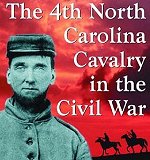 The 4th North Carolina Cavalry in the Civil War: A History and Roster With the Civil War was entering its second year North Carolina was rallying to supply more troops. The Partisan Ranger Act prompted local leaders to recruit companies of irregular soldiers for service in the Confederate Army. Seven such companies were banded together into a regiment to form the 4th North Carolina Cavalry. |
Kindle Available Six Years of Hell Harpers Ferry During the Civil War While Harpers Ferry was an important location during the Civil War, in most Civil War books it's a sideshow of something larger. John Brown's raid, Lee's invasions of 1862 & 1863 as well as Early's 1864 raid are all covered in depth |
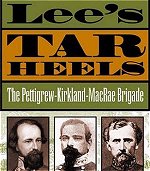 Lee's Tar Heels: The Pettigrew-Kirkland-MacRae Brigade The most successful of North Carolina's units during the Civil War. The brigade played a central role in Pickett's Charge at Gettysburg and also fought with distinction during the Petersburg campaign and in later battles including the Wilderness, Spotsylvania, and Cold Harbor |
Kindle Available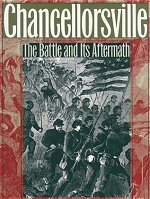 Chancellorsville The Battle and Its Aftermath Chancellorsville was a remarkable victory for Robert E. Lee's troops, a fact that had enormous psychological importance for both sides, which had met recently at Fredericksburg and would meet again at Gettysburg in just two months. But the achievement, while stunning, came at an enormous cost: more than 13,000 Confederates became casualties, including Stonewall Jackson |
|||||||||||||||||||||||||||||||||||||||||||||||||||||||||||||||||||||||||||||||||||||||||||||||||||||||||||||||||||||||||||||||||||||||||||||||||||||||||||||||||||||||||||||||||||||||||||||||||||||||||||||||||||||||||||||||||||||||||||||||||||||||||||||||||||||||||||||||||||||||||||||||||||||||||||||||||||||||||||||||||||||||||||||||||||||||||||||||||||||||||||||||||||||||||||||||||||||||||||||||||||||||||||||||||||||||||||||||||||||||||||||||||||||||||||||||||||||||||||||||||||||||||||||||||||||||||||||||||||||||||||||||||||||||||||||||||||||||||||||||||||||||||||||||||||||||||||||||||||||||||||||||||||||||||||||||||||||||||||||||||||||||||||||||||||||||||||||||||||||||||||||||||||||||||||||||||||||||||||||||||||||||||||||||||||||||||||||||||||||||||||||||||||||||||||||||||||||||||||||||||||||||||||||||||||||||||||||||||||||||||||||||||||||||||||||||||||||||||||||||||||||||||||||||||||||||||||||||||||||||||||||||||||||||||||||||||||||||||||||||||||||||||||||||||||||||||||||||||||
 Ironclads and Big Guns of the Confederacy : The Journal and Letters of John M. Brooke Information about the Confederate Navy's effort to supply its fledgling forces, the wartime diaries and letters of John M. Brooke tell the neglected story of the Confederate naval ordnance office, its innovations, and its strategic vision. |
Kindle Available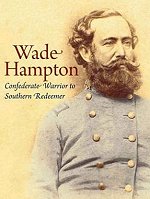 Wade Hampton: Confederate Warrior to Southern Redeemer General Wade Hampton was for a time the commander of all Lee's cavalry and at the end of the war was the highest-ranking Confederate cavalry officer |
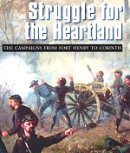 Struggle for the Heartland: The Campaigns from Fort Henry to Corinth The military campaign that began in early 1862 with the advance to Fort Henry and culminated in late May with the capture of Corinth, Mississippi. The first significant Northern penetration into the Confederate west |
Kindle Available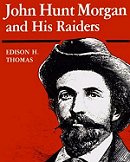 John Hunt Morgan and His Raiders The "Thunderbolt of the Confederacy" John Hunt Morgan from Tompkinsville, Kentucky to Greeneville, Tennessee. |
|||||||||||||||||||||||||||||||||||||||||||||||||||||||||||||||||||||||||||||||||||||||||||||||||||||||||||||||||||||||||||||||||||||||||||||||||||||||||||||||||||||||||||||||||||||||||||||||||||||||||||||||||||||||||||||||||||||||||||||||||||||||||||||||||||||||||||||||||||||||||||||||||||||||||||||||||||||||||||||||||||||||||||||||||||||||||||||||||||||||||||||||||||||||||||||||||||||||||||||||||||||||||||||||||||||||||||||||||||||||||||||||||||||||||||||||||||||||||||||||||||||||||||||||||||||||||||||||||||||||||||||||||||||||||||||||||||||||||||||||||||||||||||||||||||||||||||||||||||||||||||||||||||||||||||||||||||||||||||||||||||||||||||||||||||||||||||||||||||||||||||||||||||||||||||||||||||||||||||||||||||||||||||||||||||||||||||||||||||||||||||||||||||||||||||||||||||||||||||||||||||||||||||||||||||||||||||||||||||||||||||||||||||||||||||||||||||||||||||||||||||||||||||||||||||||||||||||||||||||||||||||||||||||||||||||||||||||||||||||||||||||||||||||||||||||||||||||||||||
Women in the War
Civil War Picture Album
Civil War Maps
Confederate President Jefferson Davis
Civil War Submarines
Kids Zone Gettysburg
General Stonewall Jackson
U.S. National Park Service
U.S. Library of Congress.
