
Hancock
Romney Campaign Maryland
American Civil War
January 5-6, 1862
|
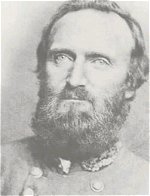 Attack of Stonewall Jackson at Chancellorsville The cadenced ranks of Lieutenant General Thomas J. Stonewall Jackson's Confederates. The gray-clad Southerners plowed into the Union defense |
Kindle Available Civil War Curiosities: Strange Stories, Oddities, Events, and Coincidences |
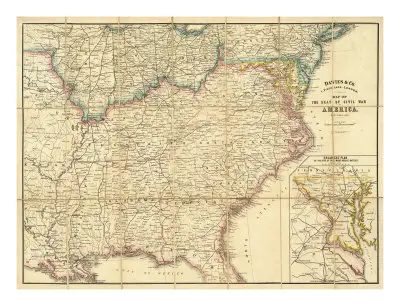 Map of the Seat of Civil War In America, c.1862 48 in. x 36 in. $169.99 Buy at AllPosters.com Framed |
Maryland State Flag  |
Maryland State Battle Map State Battle Maps American Civil War Exhibits Civil War Timeline Women in the War Civil War Submarines Civil War Cooking Civil War Picture Album |
 Desperate Engagement: How a Little-Known Civil War Battle Saved Washington, D.C., and Changed American History A full-field engagement between 12,000 battle-hardened Confederate troops led by Early, and some 5,800 Union troops, many of them untested in battle |
 The Gleam Of Bayonets: The Battle Of Antietam And Robert E. Lee's Maryland Campaign, September, 1862 Antietam turned the tide of the Civil War in favor of the North and delivered the first major defeat to Robert E. Lee's Confederate army. The gentleness and patience of Lincoln, the vacillations of McClellan, and the grandeur of Lee—all unfold before the reader |
 Maryland In The Civil War After Fort Sumter, the Lincoln administration could ill afford to lose Maryland, especially its principal city Baltimore, site of the first blood spilled when a mob attacked the Sixth Massachusetts Regiment. Maryland was the site of the greatest single day's carnage in American |
 Maryland Voices of the Civil War Maryland Voices of the Civil War draws upon hundreds of letters, diaries, and period newspapers to portray the passions of a wide variety of people -- merchants, slaves, soldiers, politicians, freedmen, women, clergy, slave owners, civic leaders, and children caught in the emotional vise of war. |
 First and Second Maryland Cavalry, C.S.A An indepth look at Maryland and her divided loyalties during the Civil War. Brother against brother epitomizes the state of affairs in Maryland. Men, loyal to the South, crossed the Potomac river at great personal peril to join Confederate ranks. |
|||||||||||||||||||||||||||||||||||||||||||||||||||||||||||||||||||||||||||||||||||||||||||||||||||||||||||||||||||||||||||||||||||||||||||||||||||||||||||||||||||||||||||||||||||||||||||||||||||||||||||||||||||||||||||||||||||||||||||||||||||||||||||||||||||||||||||||||||||||||||||||||||||||||||||||||||||||||||||||||||||||||||||||||||||||||||||||||||||||||||||||||||||||||||||||||||||||||||||||||||||||||||||||||||||||||||||||||||||||||||||||||||||||||||||||||||||||||||||||||||||||||||||||||||||||||||||||||||||||||||||||||||||||||||||||||||||||||||||||||||||||||||||||||||||||||||||||||||||||||||||||||||||||||||||||||||||||||||||||||||||||||||||||||||||||||||||||||||||||||||||||||||||||||||||||||||||||||||||||||||||||||||||||||||||||||||||||||||||||||||||||||||||||||||||||||||||||||||||||||||||||||||||||||||||||||||||||||||||||||||||||||||||||||||||||||||||||||||||||||||||||||||||||||||||||||||||||||||||||||||||||||||||||||||||||||||||||||||||||||||||||||||||||||||||||||||||||||||||
Kindle Available Crossroads of Freedom: Antietam James M. McPherson states in his concise chronicle, it may well have been the pivotal moment of the war . The South had reversed the war's momentum during the summer, and was on not only on the "brink of military victory" but about to achieve diplomatic recognition by European nations |
Kindle Available Why Confederates Fought Family and Nation in Civil War Virginia The Southern view of slavery as essential to the Southern economy is reiterated. Slavery was the great Southern irony, viewed as a foundation of white liberty. From that perspective, the Confederate soldier's choice was simply victory or death |
 Too Afraid to Cry: Maryland Civilians in the Antietam Campaign The children, women, and men living in the village of Sharpsburg and on surrounding farms. The dramatic experiences of these Maryland citizens, stories that have never been told, and also examines the political web holding together Unionists and Secessionists, many of whom lived under the same roofs |
 Antietam The Soldiers Battle In "Antietam: The Soldiers' Battle," author John Michael Priest tells the story of the American Civil War's bloodiest day using a compilation of eyewitness accounts. The book also includes 72 sketch maps of the battle. Between the plentiful maps and the chronologically-arranged accounts, the reader can follow the battle. |
|||||||||||||||||||||||||||||||||||||||||||||||||||||||||||||||||||||||||||||||||||||||||||||||||||||||||||||||||||||||||||||||||||||||||||||||||||||||||||||||||||||||||||||||||||||||||||||||||||||||||||||||||||||||||||||||||||||||||||||||||||||||||||||||||||||||||||||||||||||||||||||||||||||||||||||||||||||||||||||||||||||||||||||||||||||||||||||||||||||||||||||||||||||||||||||||||||||||||||||||||||||||||||||||||||||||||||||||||||||||||||||||||||||||||||||||||||||||||||||||||||||||||||||||||||||||||||||||||||||||||||||||||||||||||||||||||||||||||||||||||||||||||||||||||||||||||||||||||||||||||||||||||||||||||||||||||||||||||||||||||||||||||||||||||||||||||||||||||||||||||||||||||||||||||||||||||||||||||||||||||||||||||||||||||||||||||||||||||||||||||||||||||||||||||||||||||||||||||||||||||||||||||||||||||||||||||||||||||||||||||||||||||||||||||||||||||||||||||||||||||||||||||||||||||||||||||||||||||||||||||||||||||||||||||||||||||||||||||||||||||||||||||||||||||||||||||||||||||||
U.S. National Park Service
U.S. Library of Congress.
|
Books Civil War Womens Subjects Young Readers Military History DVDs Confederate Store Civil War Games Music CDs Reenactors |
