|
|
|
|
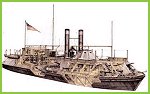 Union River Ironclad 1861-65 At the start of the American Civil War, neither side had warships on the Mississippi River. In what would prove the vital naval campaign of the war, both sides fought for control of the river. While the Confederates relied on field fortifications and small gunboats, the Union built a series of revolutionary river ironclads |
Kindle Available Civil War Curiosities: Strange Stories, Oddities, Events, and Coincidences |
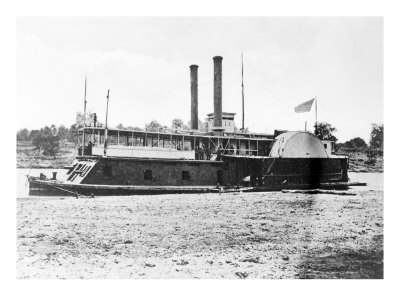 Mississippi River, U.S. Gunboat Fort Hindman, Civil War 24 in. x 18 in. Buy at AllPosters.com Framed Mounted |
 Civil War Soldier 102 Piece Playset
|
Ships and Naval Battles Louisiana State Battle Map State Battle Maps Confederate President Jefferson Davis Civil War Summary Civil War Submarines Civil War Cooking Kids Zone Gettysburg Campaigns of the Civil War American Civil War Exhibits Civil War Timeline Women in the War |
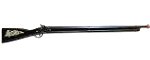 Civil War Musket Wood & Steel Frontier Rifle Designed After The Original Rifle 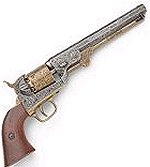 Civil War Model 1851 Naval Pistol |
Kindle Available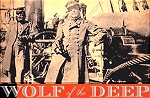 Wolf of the Deep: Raphael Semmes and the Notorious Confederate Raider CSS Alabama In July 1862, the Confederate captain Raphael Semmes received orders to report to Liverpool, where he would take command of a secret new British-built steam warship. His mission: to prey on Union commercial vessels and undermine the North's ability to continue the war |
Kindle Available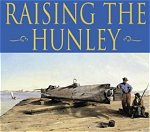 Raising the Hunley: The Remarkable History and Recovery of the Lost Confederate Submarine For more than a century the fate of the Hunley remained one of the great unsolved mysteries of the Civil War. Then, on August 8, 2000, with thousands of spectators crowding Charleston Harbor, the Hunley was raised from the bottom of the sea and towed ashore. |
Kindle Available Confederate Ironclad vs Union Ironclad: Hampton Roads 1862 The Ironclad was a revolutionary weapon of war. Although iron was used for protection in the Far East during the 16th century, it was the 19th century and the American Civil War that heralded the first modern armored self-propelled warships. Release date Nov. 2008 |
Kindle Available Reign of Iron: The Story of the First Battling Ironclads, the Monitor and the Merrimack The first ironclad ships to fight each other, the Monitor and the Virginia (Merrimack), were the unique products of American design genius |
 Guide to the Vicksburg Campaign U.S. Army War College Guides to Civil War Battles Army War College Examines an entire campaign, looking at many interlinked battles and joint Army-Navy operations as they played out over seven months and thousands of square miles |
|
Kindle Available Vicksburg: The Campaign That Opened the Mississippi Confederate troops surrendered Vicksburg on July 4, 1863 a crucial port and rail depot for the South was lost |
 Vicksburg: 47 Days of Siege First-hand accounts of life during the 47 days Vicksburg was under siege. Ranging from housewives to soliders on both sides, a good idea of what life was like, from ways to pass the time to what to eat, in and around Vicksburg. A large photo album and a glossary |
 Irish Rebels, Confederate Tigers: A History Of The 6th Louisiana Volunteers A predominately Irish brigade from New Orleans. This regiment fought in Virginia during the entire Civil War, since New Orleans was captured so early in the war and the 6th Louisiana virtually became orphans in regards to State support. |
 The Night the War Was Lost With the fall of the critical city of New Orleans in spring 1862 the South lost the Civil War, although fighting would continue for three more years. On the Mississippi River, below New Orleans, in the predawn of April 24, 1862, David Farragut with fourteen gunboats ran past two forts to capture the South's principal seaport. |
 In Camp and Battle With the Washington Artillery of New Orleans Describes all major actions from the First Battle of Bull Run to the final surrender at Appomatox. A must read for all Civil War buffs. First published in 1885, Reissued in a limited edition that is an exact reproduction of the original, with a few additions |
Kindle Available When the Devil Came Down to Dixie: Ben Butler in New Orleans Butler headed the federal occupation of New Orleans, where he quickly imposed order on a rebellious city. He also made out like a bandit, diverting an enormous amount of money into his personal coffers. High society scorned him for his infamous "Woman Order," |
 History Channel Presents The Civil War From Harper's Ferry, Fort Sumter, and First Bull Run to Shiloh, Antietam, and Gettysburg. The most legendary Civil War battles in brilliant detail. A selection of the soldiers and legendary leaders. |
 History Channel Presents Sherman's March In November 1864, Sherman and an army of 60,000 troops began their month-long march from Atlanta to Savannah. Burning crops, destroying bridges and railroads, and laying waste to virtually everything in his path |
DVD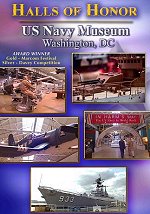 Halls of Honor The U.S. Navy Museum takes you on an informed and entertaining romp through one of North America s oldest and finest military museums. The museum has been in continuous operation at the Washington Navy Yard since the American Civil War |
DVD Raise The Alabama She was known as "the ghost ship." During the Civil War, the CSS Alabama sailed over 75,000 miles and captured more than 60 Union vessels. But her career came to an end in June of 1864 when she was sunk by the USS Kearsarge off the coast of Northern France |