
 Unsolved History ~ Plots to Kill Lincoln Discovery Channel Before John Wilkes Booth fired that fatal shot in the balcony of Ford's Theater, President Lincoln was the target of at least five other assassination conspiracies. DVD | President Abraham Lincoln Assassination |
 Right or Wrong, God Judge Me: THE WRITINGS OF JOHN WILKES BOOTH Collection of the writings of John Wilkes Booth constitutes a major new primary source that contributes to scholarship on Abraham Lincoln, the Civil War, and nineteenth-century theater history. The nearly seventy documents--more than half published here for the first time--include love letters written during the summer of 1864 |
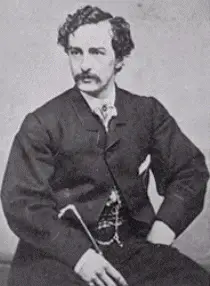


The assassin, John Wilkes Booth, dropped the pistol and waved a dagger. Rathbone lunged at him, and though slashed in the arm, forced the killer to the railing. Booth leapt from the balcony and caught the spur of his left boot on a flag draped over the rail, and shattered a bone in his leg on landing. Though injured, he rushed out the back door, and disappeared into the night on horseback. A doctor in the audience immediately went upstairs to the box. The bullet had entered through Lincoln's left ear and lodged behind his right eye. He was paralyzed and barely breathing. He was carried across Tenth Street, to a boarding-house opposite the theater, but the doctors' best efforts failed. Nine hours later, at 7:22 AM on April 15th, Lincoln died.
Paine escaped into the night, believing his deed complete. However, a metal surgical collar saved Seward from certain death. The Secretary lived another seven years, during which he retained his seat with the Johnson administration, and purchased Alaska from Russia in 1867. There were at least four conspirators in addition to Booth involved in the mayhem. Booth was shot and captured while hiding in a barn near Bowling Green, Virginia, and died later the same day, April 26, 1865. Four co-conspirators, Paine, George Atzerodt, David Herold, and Mary Surratt, were hanged at the gallows of the Old Penitentiary, on the site of present-day Fort McNair, on July 7, 1865. |

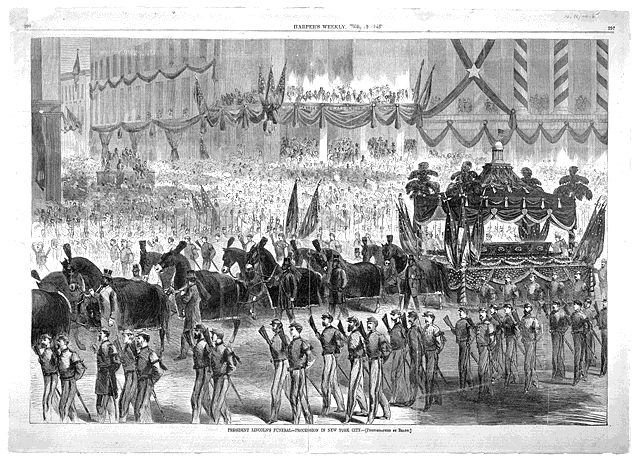
 Blood on the Moon: The Assassination of Abraham Lincoln The definative book on the Lincoln Assassination, and the escape of John Wilkes Booth. not only does the author give a clear and concise accounting, he takes us out of the vacuum and explains the minute details of the very knotted relationships between the conspirators, and the links of the Confederate underground to Canada and back. |
Execution of the four conspirators: Mrs. Surrat [sic], Payne, Harold & Atzeroth. At Washington, D.C., July 7, 1865 . Philadelphia, J.L. Magee, 1865. litho. The artist has taken some liberties in depicting this scene of the execution of Booth's co-conspirators at the site of the current Fort McNair, in Washington, D.C. This print shows a Catholic priest next to the gallows; much attention was given in the popular press, at that time, to the fact that Mary E. Surratt was Catholic. Mrs. Surratt is thought to have been the first woman executed by the U.S. government. 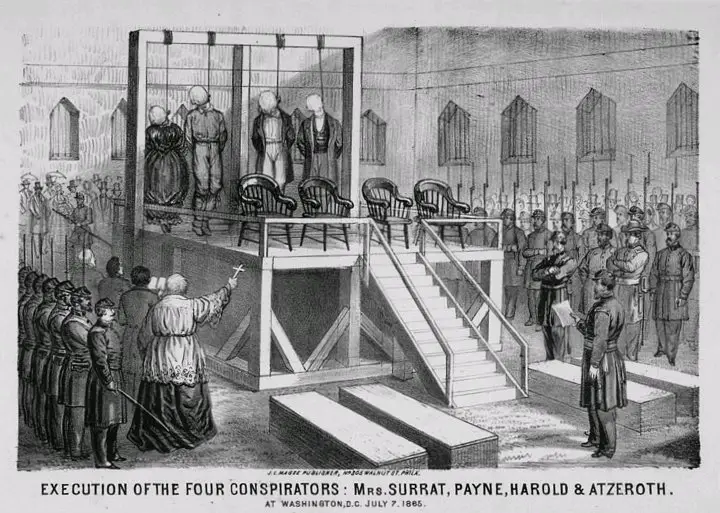
|
Abraham Lincoln
Mary Todd Lincoln
Civil War Exhibits
Summary Of The Civil War
Civil War Timeline
State Battle Maps
Kindle Available Team of Rivals: The Political Genius of Abraham Lincoln A multiple biography of the entire team of personal and political competitors that Lincoln put together to lead the country. Five of the key players, four of whom contended for the 1860 Republican presidential nomination and all of whom later worked together in Lincoln's cabinet. |
 Lincoln's Melancholy: How Depression Challenged a President and Fueled His Greatness The deep melancholy that pervaded Abraham Lincoln's life and its influence on his mature character. Mired in personal suffering as a young man, Lincoln forged a hard path toward mental health. His coping strategies and depressive insight ultimately helped the sixteenth president |
Kindle Available Lincoln and His World: The Early Years Birth to Illinois Legislature The story of this monumental American and bring a fascinating era of American history to life. The book covers Lincoln's birth through his first election to the Illinois legislature in 1834 |
 Lincoln and the Indians Civil War Policy and Politics Overview of the system of Indian administration as it had developed by 1860. Dominated by the political spoils system and by corruption of the Indian agents. As a master of the art of pragmatic politics, Lincoln used the system as he needed to do to hold the Union together-resulting in tragedy for our country's Indian wards |
|||||||||||||||||||||||||||||||||||||||||||||||||||||||||||||||||||||||||||||||||||||||||||||||||||||||||||||||||||||||||||||||||||||||||||||||||||||||||||||||||||||||||||||||||||||||||||||||||||||||||||||||||||||||||||||||||||||||||||||||||||||||||||||||||||||||||||||||||||||||||||||||||||||||||||||||||||||||||||||||||||||||||||||||||||||||||||||||||||||||||||||||||||||||||||||||||||||||||||||||||||||||||||||||||||||||||||||||||||||||||||||||||||||||||||||||||||||||||||||||||||||||||||||||||||||||||||||||||||||||||||||||||||||||||||||||||||||||||||||||||||||||||||||||||||||||||||||||||||||||||||||||||||||||||||||||||||||||||||||||||||||||||||||||||||||||||||||||||||||||||||||||||||||||||||||||||||||||||||||||||||||||||||||||||||||||||||||||||||||||||||||||||||||||||||||||||||||||||||||||||||||||||||||||||||||||||||||||||||||||||||||||||||||||||||||||||||||||||||||||||||||||||||||||||||||||||||||||||||||||||||||||||||||||||||||||||||||||||||||||||||||||||||||||||||||||||||||||||||
Kindle Available The Gettysburg Gospel: The Lincoln Speech That Nobody Knows Reconstructs what really happened in Gettysburg, Pennsylvania, on November 19, 1863. |
 Forced into Glory Abraham Lincoln's White Dream This dissenting view of Lincoln's greatness surveys the president's policies, speeches, and private utterances and concludes that he had little real interest in abolition. Pointing to Lincoln's support for the fugitive slave laws, his friendship with slave-owning senator Henry Clay, and conversations in which he entertained the idea of deporting slaves |
 Lincoln and the Decision for War The Northern Response to Secession Democratic leader Stephen Douglas to Republican party leader William Seward. More than just a politcal history, letters and quotes from common townspeople provide a complete view of the perceptions of the time |
 Lincoln and Freedom: Slavery, Emancipation, and the Thirteenth Amendment The history of slavery in North America, the Dred Scott decision, the evolution of Lincoln's view of presidential powers, the influence of religion on Lincoln, and the effects of the Emancipation Proclamation |
|||||||||||||||||||||||||||||||||||||||||||||||||||||||||||||||||||||||||||||||||||||||||||||||||||||||||||||||||||||||||||||||||||||||||||||||||||||||||||||||||||||||||||||||||||||||||||||||||||||||||||||||||||||||||||||||||||||||||||||||||||||||||||||||||||||||||||||||||||||||||||||||||||||||||||||||||||||||||||||||||||||||||||||||||||||||||||||||||||||||||||||||||||||||||||||||||||||||||||||||||||||||||||||||||||||||||||||||||||||||||||||||||||||||||||||||||||||||||||||||||||||||||||||||||||||||||||||||||||||||||||||||||||||||||||||||||||||||||||||||||||||||||||||||||||||||||||||||||||||||||||||||||||||||||||||||||||||||||||||||||||||||||||||||||||||||||||||||||||||||||||||||||||||||||||||||||||||||||||||||||||||||||||||||||||||||||||||||||||||||||||||||||||||||||||||||||||||||||||||||||||||||||||||||||||||||||||||||||||||||||||||||||||||||||||||||||||||||||||||||||||||||||||||||||||||||||||||||||||||||||||||||||||||||||||||||||||||||||||||||||||||||||||||||||||||||||||||||||||
 The Hunt for John Wilkes Booth The two-hour documentary is based on the highly acclaimed Michael Kauffman book, American Brutus |
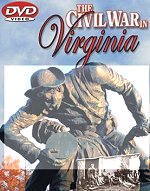 The Civil War in Virginia Virginia was the arena where North and South fought many of their bloodiest battles. the program gives a full account of the events that took place describing in detail the history of the American Civil War in Virginia |
 The Battle of Chancellorsville Civil War Combat Unflinching, uncompromising and graphic, the images and stories presented here show these battles for what they were, with all the brutality, horror, devastation and desperation |
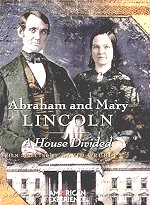 American Experience - Abraham and Mary Lincoln: A House Divided Abraham Lincoln's legacy as the Great Emancipator reshaped the nation while his tragic death left Mary reclusive and forgotten. |
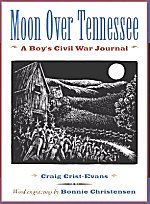 Moon Over Tennessee A Boy's Civil War Journal A moving personal narrative in the form of a journal, this powerful poem tells the story of one boy's journey into war |
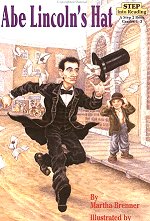 Abe Lincoln's Hat Step into Reading Abraham Lincoln, started out in life as an absent-minded lawyer. How did he nudge his memory? He stuck letters, court notes, contracts, and even his checkbook in his trademark top hat. |
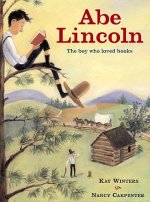 Abe Lincoln The Boy Who Loved Books Children of all ages will enjoy reading this book and realizing that a love of books, as Abraham Lincoln did, can change a persons life and move him or her to become a great person |
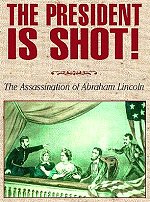 The President Is Shot!: The Assassination of Abraham Lincoln Grade 6-10 --Description of the violent end to Lincoln's life. Holzer provides the Civil War context of the event and then details April 14 and 15, 1865. Why Murder Lincoln?, to demonstrate that this president was not always the universally beloved icon that students see him as today. |
|||||||||||||||||||||||||||||||||||||||||||||||||||||||||||||||||||||||||||||||||||||||||||||||||||||||||||||||||||||||||||||||||||||||||||||||||||||||||||||||||||||||||||||||||||||||||||||||||||||||||||||||||||||||||||||||||||||||||||||||||||||||||||||||||||||||||||||||||||||||||||||||||||||||||||||||||||||||||||||||||||||||||||||||||||||||||||||||||||||||||||||||||||||||||||||||||||||||||||||||||||||||||||||||||||||||||||||||||||||||||||||||||||||||||||||||||||||||||||||||||||||||||||||||||||||||||||||||||||||||||||||||||||||||||||||||||||||||||||||||||||||||||||||||||||||||||||||||||||||||||||||||||||||||||||||||||||||||||||||||||||||||||||||||||||||||||||||||||||||||||||||||||||||||||||||||||||||||||||||||||||||||||||||||||||||||||||||||||||||||||||||||||||||||||||||||||||||||||||||||||||||||||||||||||||||||||||||||||||||||||||||||||||||||||||||||||||||||||||||||||||||||||||||||||||||||||||||||||||||||||||||||||||||||||||||||||||||||||||||||||||||||||||||||||||||||||||||||||||
Kindle Available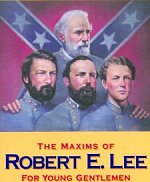 The Maxims Of Robert E. Lee For Young Gentlemen: Advice, Admonitions, and Anecdotes on Christian Duty and Wisdom from the Life of General Lee All his life, Robert E. Lee relied upon his faith for strength and guidance not only in troubled times, but also as the foundation upon which he based all of his dealings with others. |
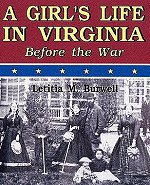 A Girl's Life in Virginia Before the War First published in 1895. An engrossing eyewitness account of antebellum plantation life as it really was |
Kindle Available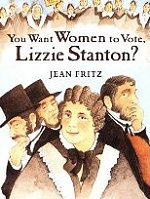 You Want Women to Vote, Lizzie Stanton? Grade 3-6. Fritz applies her gift for creating engaging, thorough historical literature to a larger-than-life historical figure. Stanton was a radical among radicals, and this objective depiction of her life and times, as well as her work for women's rights, makes readers feel invested in her struggle. An appealing, full-page black-and-white drawing illustrates each chapter. For students who need a biography, this title should fly off the shelves with a minimum of booktalking. And it is so lively that it is equally suitable for leisure reading.? |
Kindle Available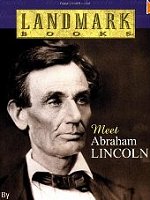 Meet Abraham Lincoln This warmly told biography of our sixteenth president is enriched by many authentic but seldom told anecdotes and complemented by bold color illustrations that capture the spirit of Lincoln and his era |
|||||||||||||||||||||||||||||||||||||||||||||||||||||||||||||||||||||||||||||||||||||||||||||||||||||||||||||||||||||||||||||||||||||||||||||||||||||||||||||||||||||||||||||||||||||||||||||||||||||||||||||||||||||||||||||||||||||||||||||||||||||||||||||||||||||||||||||||||||||||||||||||||||||||||||||||||||||||||||||||||||||||||||||||||||||||||||||||||||||||||||||||||||||||||||||||||||||||||||||||||||||||||||||||||||||||||||||||||||||||||||||||||||||||||||||||||||||||||||||||||||||||||||||||||||||||||||||||||||||||||||||||||||||||||||||||||||||||||||||||||||||||||||||||||||||||||||||||||||||||||||||||||||||||||||||||||||||||||||||||||||||||||||||||||||||||||||||||||||||||||||||||||||||||||||||||||||||||||||||||||||||||||||||||||||||||||||||||||||||||||||||||||||||||||||||||||||||||||||||||||||||||||||||||||||||||||||||||||||||||||||||||||||||||||||||||||||||||||||||||||||||||||||||||||||||||||||||||||||||||||||||||||||||||||||||||||||||||||||||||||||||||||||||||||||||||||||||||||||
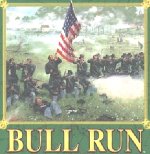 Battleground 7: Bull Run July 21, 1861 The earliest large-scale engagement of the Civil War, the First Battle of Bull Run found J.E. Johnston's outnumbered Rebels fighting a desperate delaying action versus the powerful Union army of Irvin McDowell. It was in this battle that General Thomas J. Jackson earned his famous nickname "Stonewall" |
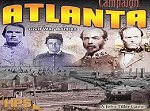 Civil War Battles Campaign Atlanta You decide the outcome of a duel between two determined generals in the American Civil War. It's 1864 and the Union forces are ready to make a final drive into the Deep South. General William T. Sherman advances to destroy the Confederate Army of Tennessee & capture the city of Atlanta. Confederate General Joseph E. Johnston planned on using Georgia's difficult terrain to inflict heavy losses |
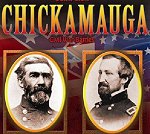 Campaign Chickamauga Civil War Battles A defining moment in the Civil War -- one that could have spelled victory for the South if things had been slightly different. At Chickamauga Creek near Chattanooga, TN there was a battle that earned it a new nickname: "River Of Blood." Chattanooga was a vital rail station at the time and had fallen to Union General Rosecrans |
 History Channel Civil War Secret Missions There are about a half-dozen different small arms types, but the Henry is the best for rapid repeating fire and least reloading. The shotgun they give you is useless: you must aim spot-on to affect an enemy, so why not just use the rifle? Grenades are useful at times. |
Source:
Library of Congress
National Park Service
University of Missouri-Kansas School of Law
