
The Civil War Union Soldier
Union cavalrymen also wore a belt set designed to accommodate equipment used by the mounted soldier. The cavalry belt included a cartridge box for carbine cartridges, a cap box, pistol holster, and had special straps and hooks that clipped onto the cavalry saber. Artillerymen usually did not wear belt sets of equipment except for special ceremonies or if they were in special units called heavy artillery regiments. Many heavy artillery regiments served as infantrymen in the latter part of the war.
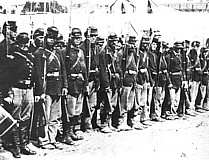
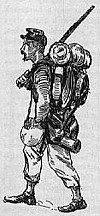
Even though the War Department ordered that all Union soldiers be dressed alike after Bull Run, there were some exceptions. Some Union volunteer regiments were raised as zouave regiments and wore a colorful uniform based on a style of uniform worn by French troops in North Africa and the Mediterranean. They were very different from the regular Union uniforms and often featured red trousers and red fez caps with a large yellow tassel. One would think that these uniforms would be gladly discarded by most regiments, but there were zouave regiments dressed in this attire throughout the war such as the 114th Pennsylvania Infantry. This was a zouave regiment that retained the distinctive uniform throughout their service. There were even some regiments in the Army of the Potomac than began their service in the regular Union uniform, but then switched to zouave uniforms in 1864. Apart from the zouave regiments, there were other distinctive units in the Army of the Potomac. One was the "Iron Brigade" composed of regiments from Wisconsin, Michigan, and Indiana. They were tough fighters and won their reputation for fighting "like iron" in 1862 during the Battle of Second Bull Run. The "Excelsior Brigade" was a special brigade composed of New York regiments that adopted the state motto "excelsior" for their slogan. The Excelsior Brigade fought at Gettysburg on July 2. There was also the "Irish Brigade", which was made up of regiments from New York City, Massachusetts and Pennsylvania. Irishmen, either born in New York or recent immigrants, filled the ranks of the three New York regiments in the brigade. Likewise, the 28th Massachusetts and 116th Pennsylvania were also composed of soldiers who had immigrated to America in the 1850's. And from Pennsylvania came the "Philadelphia Brigade", made up of regiments raised in the city of Philadelphia. The 72nd Pennsylvania Infantry of this brigade was filled with former firemen from the city and surrounding towns. Confederates had a number of nicknames for the Union soldiers, but the most popular one was "Yankee" or "Yank". |
Kids Zone Exhibits
Civil War Timeline
State Battle Maps
Civil War Cooking
Civil War Exhibits
Women in the War
Young Reader Books
 Lincoln and Lee at Antietam The Cost of Freedom Lincoln and Lee at Antietam covers the entire struggle of the Antietam Campaign. The political concept about why Lincoln needed a Union victory and Lee's need to take the war north were covered as well as the battle. |
 Gettysburg and Stories of Valor Civil War Minutes III DVD Box Set This 3-hour documentary captures the scenic beauty of the Gettysburg battlefield, examines rare Civil War artifacts and tells the personal stories of the men who fought in the war. |
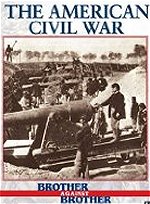 Brother Against Brother The American Civil War It was the most tragic episode in American history. During four years of bitter and bloody fighting between the states, more than 600,000 troops from the Union and Confederate sides lost their lives. The bloody events at places such as Antietam, Gettysburg, Shiloh, Cold Harbor, Vicksburg and Fredericksburg are still burned deep into the American psyche, never to be forgotten |
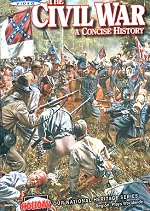 Civil War: A Concise History The best collection of Civil War visuals ever assembled in one 75-minute program. A breathtaking and first-hand account of the war. Great DVD Bonuses |
|||||||||||||||||||||||||||||||||||||||||||||||||||||||||||||||||||||||||||||||||||||||||||||||||||||||||||||||||||||||||||||||||||||||||||||||||||||||||||||||||||||||||||||||||||||||||||||||||||||||||||||||||||||||||||||||||||||||||||||||||||||||||||||||||||||||||||||||||||||||||||||||||||||||||||||||||||||||||||||||||||||||||||||||||||||||||||||||||||||||||||||||||||||||||||||||||||||||||||||||||||||||||||||||||||||||||||||||||||||||||||||||||||||||||||||||||||||||||||||||||||||||||||||||||||||||||||||||||||||||||||||||||||||||||||||||||||||||||||||||||||||||||||||||||||||||||||||||||||||||||||||||||||||||||||||||||||||||||||||||||||||||||||||||||||||||||||||||||||||||||||||||||||||||||||||||||||||||||||||||||||||||||||||||||||||||||||||||||||||||||||||||||||||||||||||||||||||||||||||||||||||||||||||||||||||||||||||||||||||||||||||||||||||||||||||||||||||||||||||||||||||||||||||||||||||||||||||||||||||||||||||||||||||||||||||||||||||||||||||||||||||||||||||||||||||||||||||||||||
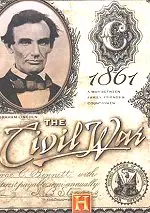 History Channel Presents The Civil War From Harper's Ferry, Fort Sumter, and First Bull Run to Shiloh, Antietam, and Gettysburg. The most legendary Civil War battles in brilliant detail. A selection of the soldiers and legendary leaders. |
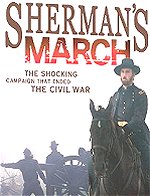 History Channel Presents Sherman's March In November 1864, Sherman and an army of 60,000 troops began their month-long march from Atlanta to Savannah. Burning crops, destroying bridges and railroads, and laying waste to virtually everything in his path |
 Civil War Terror Tales of hidden conspiracies of terror that specifically targeted the civilian populations. Engineers of chemical weapons, new-fangled explosives and biological warfare competed |
 The Civil War: To the Finish Sherman and the March to the Sea After 3 years of battles, a Union general captured Atlanta and decided to change the course of the war for good. That general was William Tecumseh Sherman |
|||||||||||||||||||||||||||||||||||||||||||||||||||||||||||||||||||||||||||||||||||||||||||||||||||||||||||||||||||||||||||||||||||||||||||||||||||||||||||||||||||||||||||||||||||||||||||||||||||||||||||||||||||||||||||||||||||||||||||||||||||||||||||||||||||||||||||||||||||||||||||||||||||||||||||||||||||||||||||||||||||||||||||||||||||||||||||||||||||||||||||||||||||||||||||||||||||||||||||||||||||||||||||||||||||||||||||||||||||||||||||||||||||||||||||||||||||||||||||||||||||||||||||||||||||||||||||||||||||||||||||||||||||||||||||||||||||||||||||||||||||||||||||||||||||||||||||||||||||||||||||||||||||||||||||||||||||||||||||||||||||||||||||||||||||||||||||||||||||||||||||||||||||||||||||||||||||||||||||||||||||||||||||||||||||||||||||||||||||||||||||||||||||||||||||||||||||||||||||||||||||||||||||||||||||||||||||||||||||||||||||||||||||||||||||||||||||||||||||||||||||||||||||||||||||||||||||||||||||||||||||||||||||||||||||||||||||||||||||||||||||||||||||||||||||||||||||||||||||
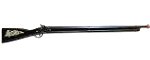 Civil War Musket Wood & Steel Frontier Rifle Designed After The Original Rifle, This Civil War Musket replica has been designed after the original rifle of its era. Measures approximately 37 inches long. Each is constructed with a solid one-piece wood stock, painted steel barrel and die-cast parts. |
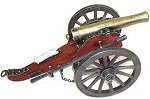 Civil War Cannon Collectible Models and childrens playsets Miniature Collectible Civil War Cannon12 pound Civil War field cannon replica weapon collectible is a detailed 1/12th scale military caisson replica weapon collectible as used throughout the Civil War Childrens Cannon Set. Includes 6 gray cannon with black wheels that measure 4.5 inches long | 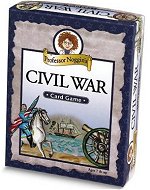 Professor Noggin's Civil War Trivia Game
| 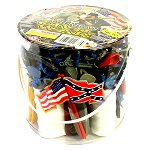 Civil War Soldier 102 Piece Playset
| ||||||
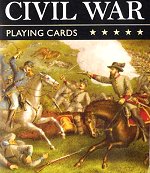 American Civil War Poker Playing Cards Playing Cards commenmorating the AMERICAN CIVIL WAR, featuring great portraits of statesmen, generals and fighting men, as well as graphics scenes of battle in color. Evocative images from the Library of Congress are featured on all 54 cards |
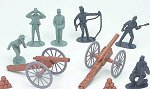 20 piece Civil War Artillery Playset Civil War Artillery Set: 20 piece set includes 12 Artillery Crew Figures in Blue and Gray that stand up to 58mm tall, 4 Parrott Rifle Gun Cannon about 4 inches long, and 4 Cannonball stacks |
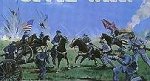 Civil War Figures by IMEX 1/72 Scale. American Civil War Union and Confederate Artillery, Cavalry, and Infantry Set with Base, produced by IMEX. Finely detailed parts are molded in gray (Confederate) and bright blue (Union). |
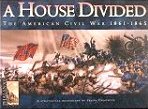 House Divided Board Game
| ||||||
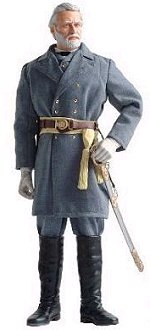 Robert E Lee CSA 12 inch Action Figure by Dragon |
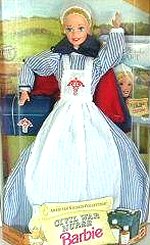 Civil War Nurse Barbie Part of the American Stories Collection. She comes with her own storybook and wears a costume of the times. Go back to Gettysburg, (1863), where Barbie tends to the wounded soldiers. She comes with a nurse's cape, cap, bag, stand and small storybook. |
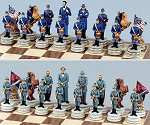 Civil War chess set Painted civil war chess set. Dimensions: Chess set pieces: 3-1/4" King's; 1-1/8" bases |
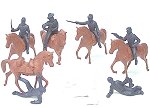 Civil War Union Cavalry: 25 Piece Set
|
National Park Service
Gettysburg National Military Park
97 Taneytown Road
Gettysburg, PA 17325
