
Medicine in the Civil War
The Wounded at Gettysburg
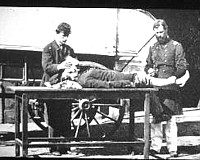
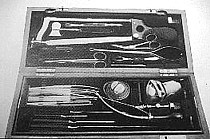
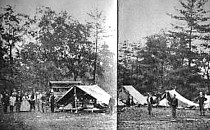
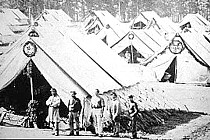
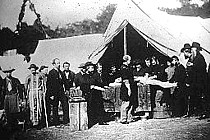
The first task was gathering all of the wounded into central field hospitals where adequate water supplies could be found, treatment could be rendered and wounds dressed. Further surgery could also be performed at these hospitals until the wounded could be taken to Gettysburg where they could be transported by railroad to hospitals in Philadelphia, Baltimore and Washington. A central hospital was established on the York Pike east of Gettysburg and near the railroad and named Camp Letterman after Dr. Letterman. Wounded soldiers were taken from the field hospitals by horse-drawn ambulances to the new camp where they were housed in large canvas tents. Unlike the rigors of a field hospital, the new camp had cots with clean sheets and pillows. Nurses were assigned to each of the tents and surgeons stayed busy around the clock treating the more serious cases. Food was plentiful and the camp was remarkable for its sanitation. Cases considered too serious to move remained at the camp while an average of 800 men per day were shipped by rail to hospitals in northern cities. Many of the nurses at Camp Letterman were women who were members of the U.S. Sanitary Commission and U.S. Christian Commission, organizations formed in the north for the benefit of Union soldiers wounded in battle. Clara Barton, who later founded the American Red Cross, was not at Gettysburg, but many women like her were. They put in long hours in the hospital wards, aiding the sick and injured soldiers, both Union and Confederate. Surgical operations continued on the most serious cases at Camp Letterman. A visitor to the hospital witnessed the most gruesome of treatments in a surgeon's tent:
By August 7, 1863 all of the corps and field hospitals were closed and Camp Letterman was the only hospital remaining with over 3,000 patients. Union and Confederate wounded were both treated at the camp by army doctors and personnel of the United States Christian Commission and the United States Sanitary Commission. Still, not all of those wounded men could be saved and many died from the results of their wounds or infection. A cemetery was established near the camp and burials took place every day. The camp remained at Gettysburg until November 1863 when the last remaining patients left, the tents were packed, and the doctors and nurses left for other battlefield hospitals. |
Kindle Available Civil War Medicine The staggering challenge of treating wounds and disease on both sides of the conflict. Written for general readers and scholars alike, this first-of-its kind encyclopedia will help all Civil War enthusiasts to better understand this amazing medical saga. Clearly organized, authoritative, and readable  Clara Barton: Spirit of the American Red Cross Ready To Read - Level Three Clara Barton was very shy and sensitive, and not always sure of herself. But her fighting spirit and desire to help others drove her to become one of the world's most famous humanitarians. Learn all about the life of the woman who formed the American Red Cross. Kindle Available  The Civil War for Kids History explodes in this activity guide spanning the turmoil preceding secession, the first shots fired at Fort Sumter, the fierce battles on land and sea, and finally the Confederate surrender at Appomattox. Making butternut dye for a Rebel uniform, learning drills and signals with flags, decoding wigwag, baking hardtack, reenacting battles, and making a medicine kit bring this pivotal period in our nation's history to life.  Clara Barton Founder of the American Red Cross Young Clara Barton is shy and lonely in her early days at boarding school. |
 72 Piece Civil War Army Men Play Set 52mm Union and Confederate Figures, Bridge, Horses, Canon
| Kids Zone Exhibits Civil War Timeline State Battle Maps Civil War Picture Album Civil War Maps Civil War Cooking Civil War Exhibits Women in the War Young Reader Books |
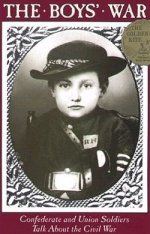 The Boys War With the many boys who fought in the civil war most of them lied about their age. A lot of them wrote letters or had a diary. Johnny Clem had run away from his home at 11. At age 12 he tried to enlist but they refused to let him join because he was clearly too young. The next day he came back to join as a drummer boy. |
 Unconditional Surrender U. S. Grant and the Civil War This is the best juvenile biography on Ulysses S. Grant by a wide margin. Marrin has done an excellent job in introducing Grant to a young audience. I highly recommend it. |
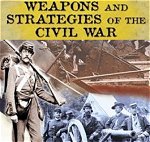 Weapons and Strategies of the Civil War For grades 3-6 which packs 48 pages with color photos and 30 links providing quality Internet sites for more research. Chapter notes, a bibliography and an index round out information and assure not just accuracy, but constant updates to research information. |
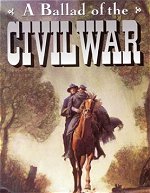 A Ballad of the Civil War A wonderful chapter book for children that should help them to appreciate the fact that some people could not defend a person's right to own other people and to understand that sad era that ended in the "brothers' war." It has four chapters with a prologue and a closing author's note. The conversations that Tom has with the household slave "Uncle Roger" provide some unique insight into the dilemma that slaves faced in the antebellum South |
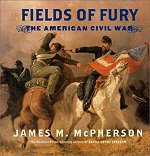 Fields of Fury The American Civil War Written for young readers a stirring account of the greatest conflict to happen on our nation's soil, the Civil War, bringing to life the tragic struggle that divided not only a nation, but also friends and family. well-organized, well-executed, kid-friendly history of the Civil War was a brilliant idea if there ever was one. It's difficult to imagine anyone doing a better job than McPherson at breaking down this complex, interrelated series of events. |
|||||||||||||||||||||||||||||||||||||||||||||||||||||||||||||||||||||||||||||||||||||||||||||||||||||||||||||||||||||||||||||||||||||||||||||||||||||||||||||||||||||||||||||||||||||||||||||||||||||||||||||||||||||||||||||||||||||||||||||||||||||||||||||||||||||||||||||||||||||||||||||||||||||||||||||||||||||||||||||||||||||||||||||||||||||||||||||||||||||||||||||||||||||||||||||||||||||||||||||||||||||||||||||||||||||||||||||||||||||||||||||||||||||||||||||||||||||||||||||||||||||||||||||||||||||||||||||||||||||||||||||||||||||||||||||||||||||||||||||||||||||||||||||||||||||||||||||||||||||||||||||||||||||||||||||||||||||||||||||||||||||||||||||||||||||||||||||||||||||||||||||||||||||||||||||||||||||||||||||||||||||||||||||||||||||||||||||||||||||||||||||||||||||||||||||||||||||||||||||||||||||||||||||||||||||||||||||||||||||||||||||||||||||||||||||||||||||||||||||||||||||||||||||||||||||||||||||||||||||||||||||||||||||||||||||||||||||||||||||||||||||||||||||||||||||||||||||||||||
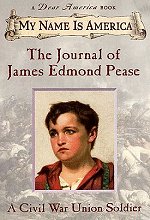 The Journal of James Edmond Pease: A Civil War Union Soldier, Virginia, 1863 James was only 15 when he joined, but he was able to get in. Nobody really liked him cause he was unlucky. One day in the confusion he charged ahead of his company and scared off all the Confederates single handed. After that, he became well liked by most people and soon rose Corporal. He showed his bravery when he spent a week in enemy territory. By the end of the war he rose up to Second Lieutenant. |
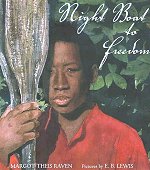 Night Boat To Freedom Night Boat to Freedom is a wonderful story about the Underground Railroad, as told from the point of view of two "ordinary" people who made it possible. Beyond that, it is a story about dignity and courage, and a devotion to the ideal of freedom. |
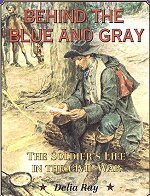 Behind the Blue and Gray The Soldier's Life in the Civil War Civil War reading can be very dry, but not this book. Delia Ray takes us on a soldiers journey beginning with enlistment and ending with a soldiers life after the war, using quotes from actual letters and diaries strategically placed throughout the book. |
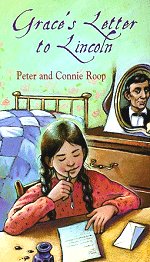 Grace's Letter to Lincoln Many important details of the time period help to make the reader understand what life was like then. It also includes photos of the actual letters written between Grace and Mr. Lincoln |
|||||||||||||||||||||||||||||||||||||||||||||||||||||||||||||||||||||||||||||||||||||||||||||||||||||||||||||||||||||||||||||||||||||||||||||||||||||||||||||||||||||||||||||||||||||||||||||||||||||||||||||||||||||||||||||||||||||||||||||||||||||||||||||||||||||||||||||||||||||||||||||||||||||||||||||||||||||||||||||||||||||||||||||||||||||||||||||||||||||||||||||||||||||||||||||||||||||||||||||||||||||||||||||||||||||||||||||||||||||||||||||||||||||||||||||||||||||||||||||||||||||||||||||||||||||||||||||||||||||||||||||||||||||||||||||||||||||||||||||||||||||||||||||||||||||||||||||||||||||||||||||||||||||||||||||||||||||||||||||||||||||||||||||||||||||||||||||||||||||||||||||||||||||||||||||||||||||||||||||||||||||||||||||||||||||||||||||||||||||||||||||||||||||||||||||||||||||||||||||||||||||||||||||||||||||||||||||||||||||||||||||||||||||||||||||||||||||||||||||||||||||||||||||||||||||||||||||||||||||||||||||||||||||||||||||||||||||||||||||||||||||||||||||||||||||||||||||||||||
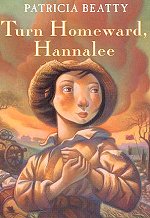 Turn Homeward, Hannalee During the closing days of the Civil War, plucky 12-year-old Hannalee Reed, sent north to work in a Yankee mill, struggles to return to the family she left behind in war-torn Georgia. "A fast-moving novel based upon an actual historical incident with a spunky heroine and fine historical detail."--School Library Journal. |
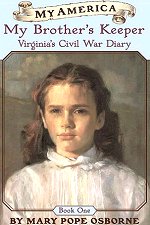 My Brothers Keeper Virginia Dickens is angry. Her father and brother Jed have left her behind while they go off to Uncle Jack's farm to help him hide his horses from Confederate raiders. It's the summer of 1863 and Pa and Jed believe 9-year-old Virginia will be out of harm's way in the sleepy little town of Gettysburg, Pennsylvania. |
Kindle Available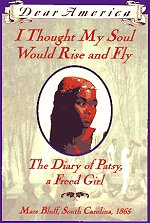 I Thought My Soul Would Rise and Fly: The Diary of Patsy, a Freed Girl, Mars Bluff, South Carolina 1865 Not only is 12-year-old Patsy a slave, but she's also one of the least important slaves, since she stutters and walks with a limp. So when the war ends and she's given her freedom, Patsy is naturally curious and afraid of what her future will hold. |
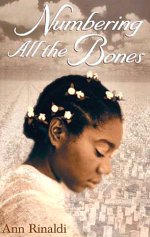 Numbering The Bones The Civil War is at an end, but for thirteen-year-old Eulinda, it is no time to rejoice. Her younger brother Zeke was sold away, her older brother Neddy joined the Northern war effort,. With the help of Clara Barton, the eventual founder of the Red Cross, Eulinda must find a way to let go of the skeletons from her past. |
|||||||||||||||||||||||||||||||||||||||||||||||||||||||||||||||||||||||||||||||||||||||||||||||||||||||||||||||||||||||||||||||||||||||||||||||||||||||||||||||||||||||||||||||||||||||||||||||||||||||||||||||||||||||||||||||||||||||||||||||||||||||||||||||||||||||||||||||||||||||||||||||||||||||||||||||||||||||||||||||||||||||||||||||||||||||||||||||||||||||||||||||||||||||||||||||||||||||||||||||||||||||||||||||||||||||||||||||||||||||||||||||||||||||||||||||||||||||||||||||||||||||||||||||||||||||||||||||||||||||||||||||||||||||||||||||||||||||||||||||||||||||||||||||||||||||||||||||||||||||||||||||||||||||||||||||||||||||||||||||||||||||||||||||||||||||||||||||||||||||||||||||||||||||||||||||||||||||||||||||||||||||||||||||||||||||||||||||||||||||||||||||||||||||||||||||||||||||||||||||||||||||||||||||||||||||||||||||||||||||||||||||||||||||||||||||||||||||||||||||||||||||||||||||||||||||||||||||||||||||||||||||||||||||||||||||||||||||||||||||||||||||||||||||||||||||||||||||||||
Kindle Available Civil War Curiosities: Strange Stories, Oddities, Events, and Coincidences |
 The Battle of the Wilderness May 5-6, 1864 Fought in a tangled forest fringing the south bank of the Rapidan River, the Battle of the Wilderness marked the initial engagement in the climactic months of the Civil War in Virginia, and the first encounter between Ulysses S. Grant and Robert E. Lee |
 The Civil War Day By Day An Almanac, 1861-1865 The most exhaustively detailed and fascinating book on the American Civil War of its kind. Not only does it provide a day-by-day look at the major events of the war, but lists so many of the small skirmishes and actions as well. Accurate and enjoyable |
Kindle Available Civil War Medicine The staggering challenge of treating wounds and disease on both sides of the conflict. Written for general readers and scholars alike, this first-of-its kind encyclopedia will help all Civil War enthusiasts to better understand this amazing medical saga. Clearly organized, authoritative, and readable | |
 Sabine Pass The Confederacy's Thermopylae Sabine Pass was the site of one of the most decisive Civil War battles |
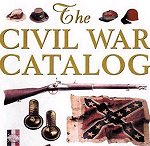 The Civil War Catalog More than 200 illustrations and restored photographs, all the weapons, uniforms, and implements of battle. Packed with color photos of insignia, medals, kits, paper ephemera, rare uniforms, and personal equipment for all enlisted ranks. |
Kindle Available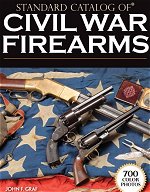 Standard Catalog of Civil War Firearms Over 700 photographs and a rarity scale for each gun, this comprehensive guide to the thousands of weapons used by Billy Yank and Johnny Reb will be indispensable for historians and collectors. |
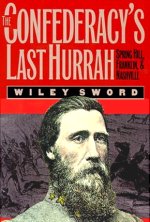 The Confederacy's Last Hurrah: Spring Hill, Franklin, and Nashville John Bell Hood rallied his demoralized troops and marched them off the Tennessee, desperately hoping to draw Sherman after him and forestall the Confederacy's defeat |
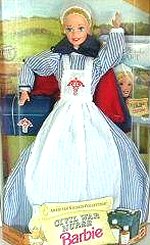 Civil War Nurse Barbie Part of the American Stories Collection. |
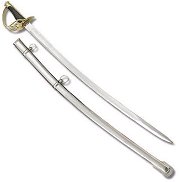 Cavalry Saber This fine replica is 39 inches overall and features a highly polished 33 inch carbon steel blade. Its leather wrapped handle fits the hand perfectly and sports decorative brass accents and a shiny brass pommel. |
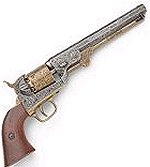 Civil War Model 1851 Naval Pistol Engraved Silver Tone / Gold Tone Finish and Wooden Grips - Replica of Revolver Used by Both USA / Union and CSA / Confederate Forces |
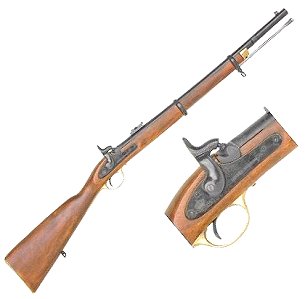 1860 Enfield Civil War Musketoon This piece is a full-size non-firing reproduction of the rifle used in the Civil War. The body is made of European hardwood | |||
 Civil War Soldier 102 Piece Playset
|
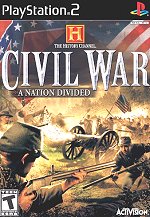 History Channel Civil War A Nation Divided Rally the troops and organize a counterattack -- Your strategic decision and talent as a commander will decide if the Union is preserved or if Dixie wins its independence |
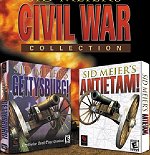 Sid Meier's Civil War Collection Take command of either Confederate or Union troops and command them to attack from the trees, rally around the general, or do any number of other realistic military actions. The AI reacts to your commands as if it was a real Civil War general, and offers infinite replayability. The random-scenario generator provides endless variations on the battles |
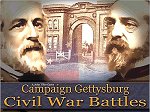 Campaign Gettysburg: Civil War Battles Campaign Gettysburg is simply the best of all the HPS Civil War games. While all of those are very good in their own right they simply do not compete with the level of detail presented here. Hundreds of scenarios and multiple OOBs are only the start, the best thing is the campaign game |
National Park Service
Gettysburg National Military Park
97 Taneytown Road
Gettysburg, PA 17325
| Search AmericanCivilWar.com |
| Enter the keywords you are looking for and the site will be searched and all occurrences of your request will be displayed. You can also enter a date format, April 19,1862 or September 1864. |
