|
|
|
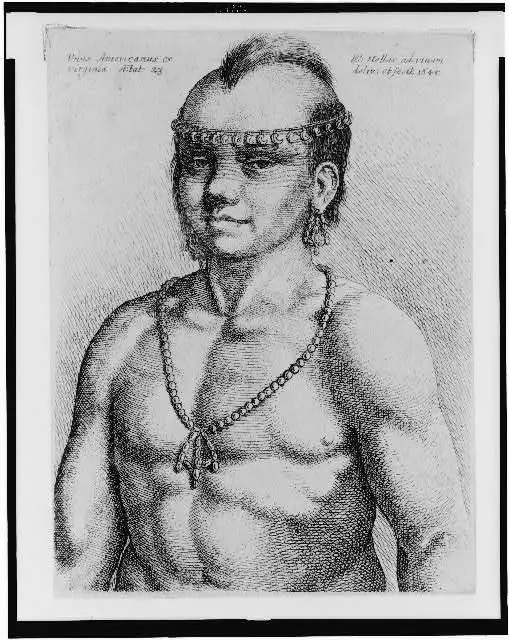
Delegations and Government Relations: Among the earliest true portraits of Native Americans are those made of tribal leaders or delegates who visited European capitals and Washington, D.C. for diplomatic purposes. These visits and visitors, as well as Indian-white relations such as treaty negotiations, legal affairs, land claims, and protests, are well documented in lithographs, drawings, studio portraits, posters, and photographic prints. |
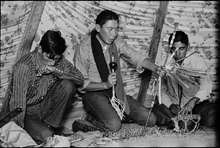
The Frontier, Villages, and Reservation Life: Away from the confines of the studio, independent and frontier photographers recorded life in Indian communities, on or near reservations where tribes were forced to relocate. The daily activities of many native tribes west of the Mississippi are well documented in historical photographs of domestic life, homes, ceremonies, games, and work of tribal people and their families.
|
|||
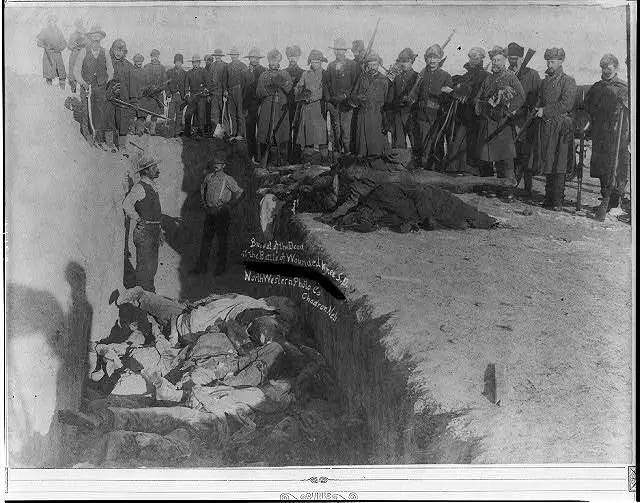
Indian Wars and Confrontations: Since the first encounters, Indian-white relations have been largely characterized by hostility and violence, causing the term "Indian wars" to gain wide currency. Artists portrayed these bloody conflicts, sometimes literally and sometimes imaginatively, in drawings, prints, and in illustrations for popular newspapers and magazines. Because of limited technology, photographers were limited to documenting the grim aftermath of skirmishes, tribal leaders and combatants, battle sites, and other stationary subjects such as forts and military equipment. The Division's holdings reflect the full range of this sort of graphic and photographic documentation.
|
|||
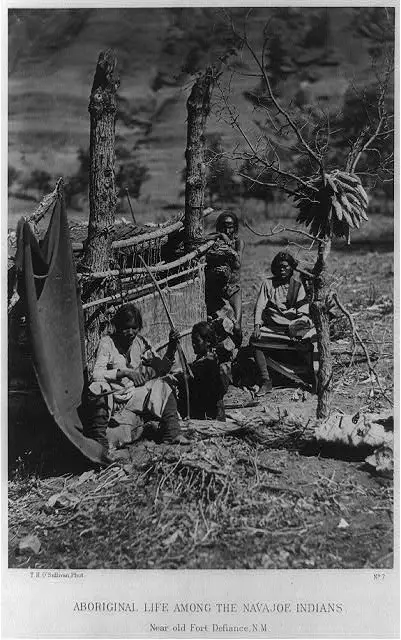
Federal Government Surveys and Other Expeditions: Some of the most important portrayals of native peoples were produced by artists and photographers accompanying exploration teams into the western parts of the United States, Canada, and Alaska during the 19th and early twentieth centuries. Images in this genre range from fanciful to authentic and include lithographs, stereographs, and photographs, many of which appeared in published reports.
|
|||
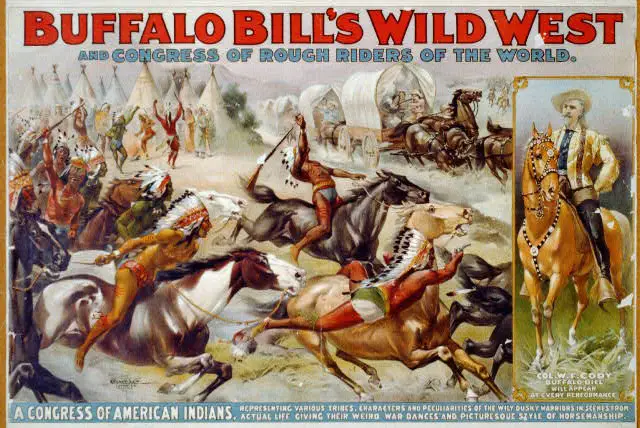
Expositions, World's Fairs, and Wild West Shows: The spectacle of "real Indians" featured in west show performances, anthropological exhibits, and world's fairs attracted artists and photographers who documented staged tableaux and memorialized many of the Native American participants in photographs. Performers are particularly well documented in the Division's collection of studio portraits while the actual shows are represented in other photographs and in posters advertising such attractions.
|
|||
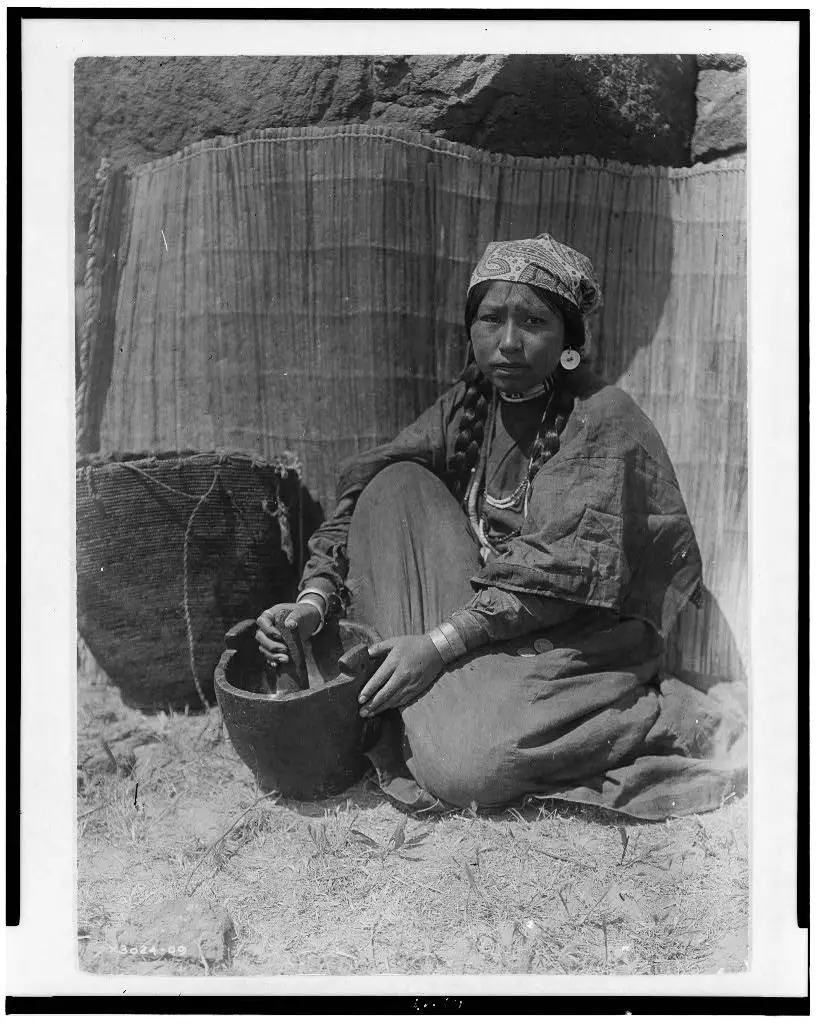
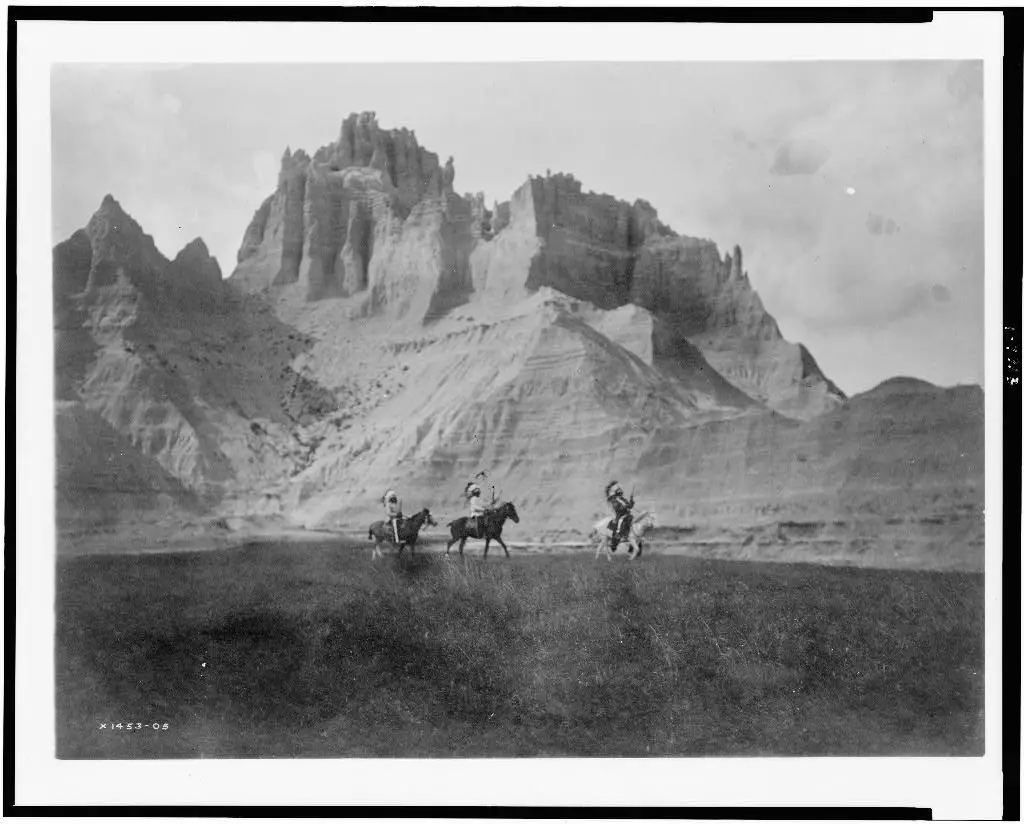
Pictorialist Photographs: Unlike documentary photographers, pictorialists tended to create romantic, idealized, and aesthetically pleasing images of Native Americans and Indian life, often using soft-focus, artificial settings, and other means of manipulation. Images in this category include more than 2,500 first generation prints created by the most famous and successful pictorialist photographer of Indians, Edward S. Curtis, who documented life among more than eighty North American tribes.
|
|||
Nez Perce Yakima Washington 1911 |
|||
Pictorialist Photographs: Unlike documentary photographers, pictorialists tended to create romantic, idealized, and aesthetically pleasing images of Native Americans and Indian life, often using soft-focus, artificial settings, and other means of manipulation. Images in this category include more than 2,500 first generation prints created by the most famous and successful pictorialist photographer of Indians, Edward S. Curtis, who documented life among more than eighty North American tribes.
|
|||
Chief Joseph
Civil War Oklahoma
Civil War Arizona
Civil War New Mexico
Civil War Colorado
American Civil War Home
American Civil War Book Titles
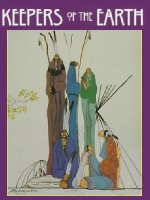 Keepers of the Earth: Native American Stories and Environmental Activities for Children These are stories from the various First Nations. They are well told. Get this for your kids. In an age of instant media, the storyteller's art is one that is timeless, connecting us to our oral past. Make sure that it connects to our future, too. |
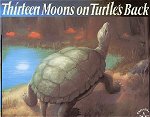 Thirteen Moons on Turtle's Back The Turtle's shell stand for the 13 cycles of the moon, each with its own name and a story that relates to the changing seasons. Joseph Bruchac and Jonathan London collaborate to reveal the beauty of the natural world around us, while Thomas Locker's illustrations honor both Native American legends and the varied American landscape |
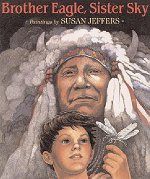 Brother Eagle Sister Sky The Earth does not belong to us. We belong to the Earth. The great American Indian Chief Seattle spoke these words over a hundred years ago. His remarkably relevant message of respect for the Earth and every creature on it has endured the test of time and is imbued with passion born of love of the land and the environment |
 The Talking Earth Billie Wind lives with her Seminole tribe. She follows their customs, but the dangers of pollution and nuclear war she's learned about in school seem much more real to her. How can she believe the Seminole legends about talking animals and earth spirits? |
Snake Tribe Priest

Tlingit Woman (Alaska) Pounding fish
Sioux Native American Tribe
Source:
Library of Congress